Rubio, UAE security chief discuss Iran, Hormuz security in phone call
Synopsis
US Secretary of State Marco Rubio and UAE National Security Advisor Sheikh Tahnoon bin Zayed held a call on 19 August covering Iran, Lebanon, and Strait of Hormuz security — but Washington released almost no specifics. The brevity of the readout is itself a signal: both sides are coordinating closely, but keeping their next moves on Iran and its proxies deliberately opaque.
Key Takeaways
US Secretary of State Marco Rubio and UAE National Security Advisor Sheikh Tahnoon bin Zayed Al Nahyan spoke by phone on 19 August .
Talks covered Iran , Lebanon , and security in the Strait of Hormuz , according to a State Department readout.
Both sides discussed holding Iran and its proxies accountable for ongoing attacks, though specific attacks and measures were not identified.
Rubio stressed the importance of freedom of navigation through the Strait of Hormuz , a key global energy shipping route.
No specific decisions or follow-up steps were announced following the call.
US Secretary of State Marco Rubio and United Arab Emirates National Security Advisor Sheikh Tahnoon bin Zayed Al Nahyan held a telephone call on 19 August to address Iran, developments in Lebanon, and the security of the Strait of Hormuz. The discussion signals continued high-level diplomatic coordination between Washington and Abu Dhabi as regional tensions involving Tehran and its allied armed groups remain a central concern for both governments.
Key Developments
According to a readout issued by Principal Deputy Spokesperson Tommy Pigott, the two officials reviewed a broad range of regional security issues. Their conversation included a focus on joint efforts to hold Iran and what the statement described as its terrorist proxies accountable for ongoing attacks. The readout did not identify the specific attacks under discussion, nor did it outline the measures being considered.
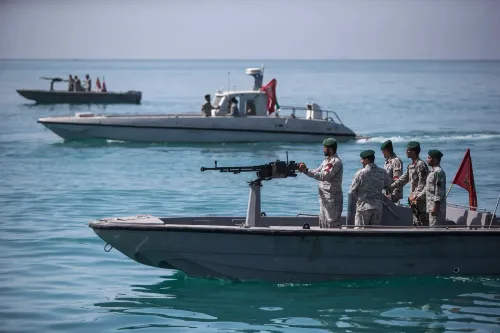
Rubio also stressed the importance of freedom of navigation through the Strait of Hormuz, according to the State Department. The waterway, which connects the Persian Gulf with the Gulf of Oman and the Arabian Sea, is one of the world's most critical maritime corridors, carrying oil and liquefied natural gas from major Gulf producers to global markets.
What the State Department Said
The official readout was notably brief, offering no details on Lebanon beyond confirming it was discussed. The State Department also did not indicate whether the two sides reached any specific decisions or agreed on further diplomatic or security steps. The limited disclosure is consistent with the confidential nature of senior-level security consultations between allied governments.
Why the Strait of Hormuz Matters
The Strait of Hormuz has long been a flashpoint in US-Iran tensions. Iran has previously threatened to block the waterway in response to international pressure, a move that would disrupt a significant share of global energy supplies. Washington has maintained a naval presence in the region partly to deter such scenarios. Rubio's emphasis on freedom of navigation in this call reflects a longstanding American policy priority in the Gulf.
US-UAE Ties and the Broader Context
The United States and the UAE share close diplomatic, economic, and defence ties, and have coordinated extensively on maritime security and efforts to counter Iranian influence in the region. This call comes amid a broader pattern of Washington intensifying outreach to Gulf partners as it recalibrates its Middle East strategy. Notably, no timeline was given for any follow-up actions, and both sides appear to be in a phase of active consultation rather than announced policy moves.
How the US and UAE translate this diplomatic alignment into concrete steps on Iran accountability and Hormuz security will be closely watched in the weeks ahead.
Point of View
No named proxies, no named next steps. Washington and Abu Dhabi are clearly in active consultation on Iran, but the deliberate vagueness suggests either ongoing operational sensitivity or a lack of consensus on concrete action. The Strait of Hormuz emphasis is notable — it has historically been invoked when US-Iran tensions are approaching a threshold. Whether this call is routine alliance maintenance or a precursor to a coordinated pressure campaign on Tehran is the question mainstream coverage is not yet asking.
NationPress
19 Aug 2026
Frequently Asked Questions
What did Marco Rubio and Sheikh Tahnoon bin Zayed discuss?
US Secretary of State Marco Rubio and UAE National Security Advisor Sheikh Tahnoon bin Zayed Al Nahyan discussed Iran, Lebanon, and security in the Strait of Hormuz during a phone call on 19 August. They also addressed joint efforts to hold Iran and its proxies accountable for ongoing attacks, according to a State Department readout.
Why is the Strait of Hormuz significant in this context?
The Strait of Hormuz is one of the world's most critical maritime routes, connecting the Persian Gulf with the Gulf of Oman and the Arabian Sea and carrying a large share of global oil and liquefied natural gas exports. Rubio's emphasis on freedom of navigation there reflects longstanding US policy to keep the waterway open amid recurring Iranian threats to block it.
Were any specific decisions announced after the Rubio-UAE call?
No. The State Department readout was brief and did not identify the specific attacks discussed, the measures being considered, or any agreements reached. Both sides confirmed coordination but provided no further details.
What is the broader context of US-UAE engagement on Iran?
The United States and the UAE maintain close diplomatic, economic, and defence ties and have long coordinated on maritime security and countering Iranian influence in the Middle East. This call is part of a continuing pattern of Washington consulting Gulf partners as it manages its regional strategy amid persistent Iran-linked tensions.
What was said about Lebanon in the call?
Lebanon was confirmed as a topic of discussion, but the State Department readout provided no further details on what was said or agreed regarding developments there.