Is PM Modi Becoming an International Bridge Builder?
Click to start listening
Synopsis
As global tensions rise, Prime Minister Modi stands out as a potential bridge connecting Russia and Europe. His recent diplomatic efforts emphasize peace and dialogue, positioning India as a pivotal player in international relations.
Key Takeaways
- PM Modi is emerging as a diplomatic bridge between Russia and Europe.
- His emphasis on peace talks reflects a significant diplomatic shift.
- European leaders are increasingly open to engaging with Russia.
- India's role in global politics is evolving towards mediation and consensus.
- PM Modi's vision supports a multipolar world where dialogue prevails.
Moscow, Jan 21 (NationPress) Prime Minister Narendra Modi is emerging as a potential bridge builder between Russia and Europe – a role gaining momentum as Europe considers a shift in its approach towards Moscow, according to a report.
The Indian leader's commitment to fostering global dialogue and discouraging military actions was particularly evident during Russian President Vladimir Putin's visit to India in December, as highlighted by the Moscow-based portal 'Geopolitika'.
During this visit, PM Modi emphasized to Putin that “India is not neutral — India has a position, and that position is for peace. We support every effort for peace, and we stand shoulder to shoulder with every initiative taken for peace.”
It’s clear that PM Modi's efforts to shape a collective international stance on resolving global conflicts, including the situation in Ukraine, signify New Delhi's ambition to act as a mediating nation amid global tensions, as noted by strategic affairs expert Atul Aneja.
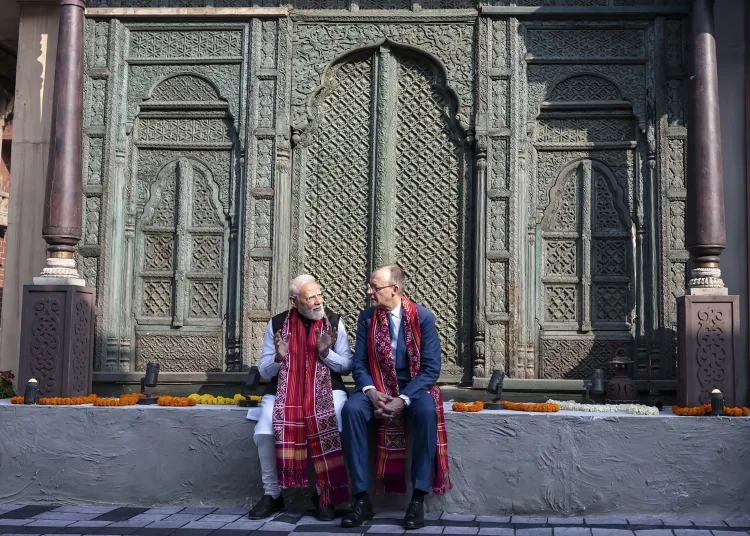
He further pointed out that shortly after his visit to India, where the Indian Prime Minister warmly welcomed him in his home state of Gujarat, German Chancellor Friedrich Merz expressed his intention to engage with Russian President Putin.
“This marked a significant turnaround. After harshly criticizing Russia since taking office, Merz boldly stated during a policy speech on January 16, just three days after his visit to India, that a peace deal in Ukraine 'cannot happen without Russia’s agreement,'” the 'Geopolitika' report elaborated.
“Further underscoring this pivotal shift from attempting to isolate Moscow to fostering engagement, Merz declared at a recent economic conference that the EU must 're-establish balance with our largest European neighbor.' He added that 'if we achieve peace … then we can look forward with great confidence beyond 2026,'” the article continued.
French President Emmanuel Macron has also shown signs of aligning with this new perspective, with Italian Prime Minister Georgia Meloni joining the chorus from Europe.
During Chancellor Merz’s visit to India, PM Modi explicitly called for building an international consensus to support peace negotiations.
“It is clear that PM Modi's appeal for global consensus during Merz’s visit aimed to bridge European and Asian viewpoints. This thematic approach is anticipated to gain significant traction as India enhances its relationships with European nations in the upcoming months. This outreach coincides with India's aim to strengthen ties with Europe in response to pressures from Trump regarding an uneven trade agreement,” wrote Aneja.
With EU leaders arriving in India as chief guests for the upcoming Republic Day celebrations and French President Emmanuel Macron set to visit New Delhi for the India–AI Impact Summit – the first global AI event focused on the Global South – PM Modi, the international bridge builder, is likely to capitalize on the growing European enthusiasm for dialogue with Russia regarding Ukraine, potentially establishing a new institutional platform.
'Geopolitika' expanded on PM Modi's strategic vision, asserting that India should serve as a bridge between the East and the West, as well as the Global North and the Global South.
“In the Indian Prime Minister's perspective, India is a pivotal player in a multipolar world and thus has the right to engage in dialogue with other influential entities in the international arena, including Russia, to address global challenges,” the report concluded.
Point of View
It is evident that Prime Minister Modi’s diplomatic efforts reflect a strategic vision for India, promoting peace and dialogue in a fragmented global landscape. His role as a mediator between powers like Russia and Europe is crucial for fostering international stability and cooperation.
NationPress
22/01/2026
Frequently Asked Questions
What role is PM Modi playing in international diplomacy?
PM Modi is positioning India as a mediator between Russia and Europe, advocating for peace and dialogue amidst rising global tensions.
How has Europe responded to Modi's initiatives?
European leaders, including German Chancellor Merz and French President Macron, are showing willingness to engage with Russia, reflecting a shift towards dialogue.
What are the implications of Modi's diplomatic efforts?
Modi's initiatives could lead to enhanced international cooperation and stability, positioning India as a key player in resolving global conflicts.