Modi's Manila Gurdwara visit a 'warm gesture' for Sikh diaspora
Synopsis
On the sidelines of the ASEAN-India Summit, PM Modi stepped into a 95-year-old gurdwara in Manila to launch its redevelopment — a quiet but calculated act of diaspora diplomacy that signals India's foreign policy now reaches well beyond the summit table into the community spaces its people have built across the world.
Key Takeaways
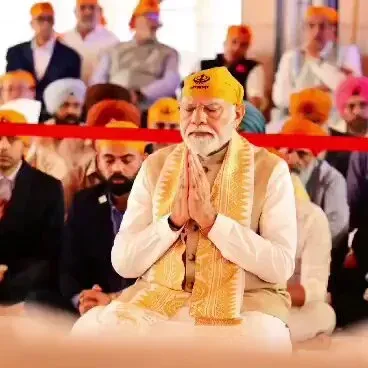
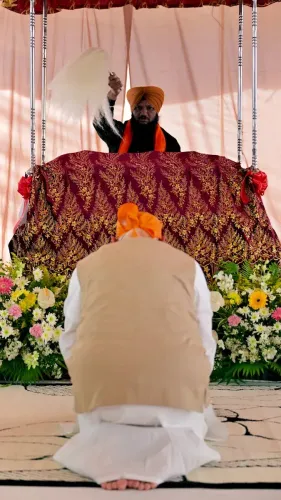
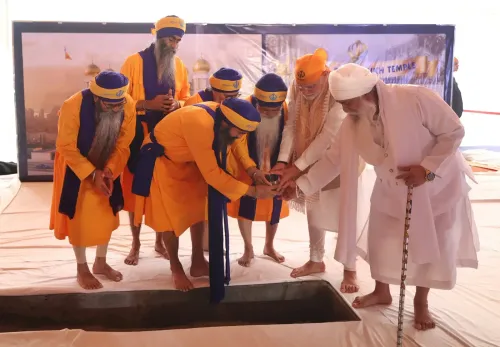
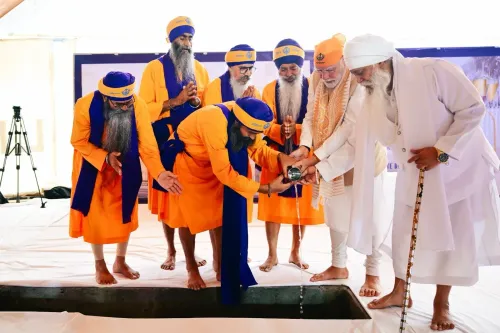
PM Narendra Modi participated in the launch of redevelopment works at Gurdwara Khalsa Diwan, Manila on 18 November 2026 .
The gurdwara was established in 1929 by Punjabi migrants and is a major religious and cultural centre for Indian-origin residents in the Philippines .
The visit came on the sidelines of the 23rd ASEAN-India Summit and the 21st East Asia Summit in Manila.
The gesture was described as 'warm and meaningful' by Khalsa Vox , signalling that the diaspora holds a central place in India's foreign policy.
The gurdwara's langar tradition serves communal meals to all visitors regardless of background, making it an inclusive community institution.
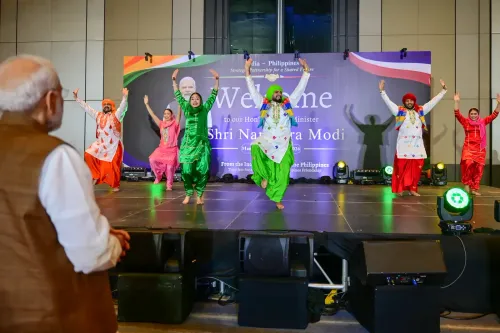
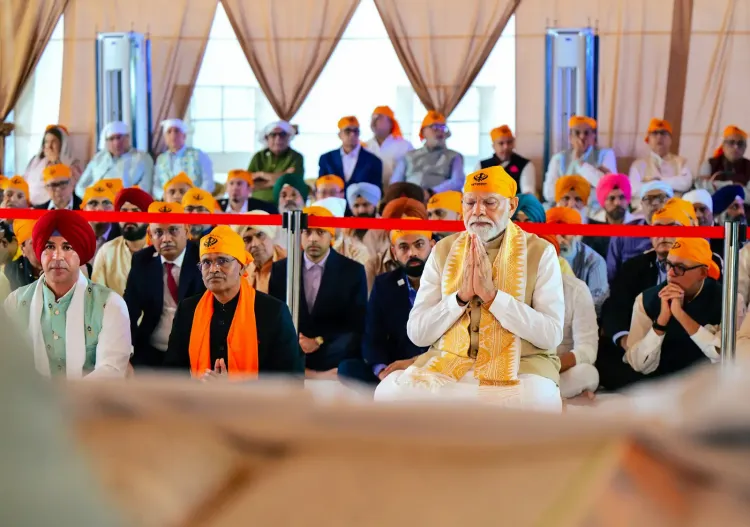
Prime Minister Narendra Modi on Tuesday, 18 November participated in the launch of redevelopment works at the Gurdwara Khalsa Diwan in Manila, a gesture described as 'warm and meaningful' that carries considerable significance for the global Sikh community. The visit came on the sidelines of PM Modi's participation in the 23rd ASEAN-India Summit and the 21st East Asia Summit in the Philippine capital.
A Historic Institution Far From Home
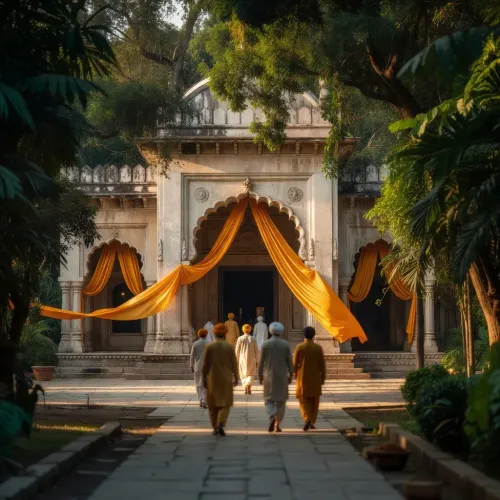
The Gurdwara Khalsa Diwan was established in 1929 by Punjabi migrants and has since grown into an important religious and cultural anchor for Indian-origin residents in the Philippines. For nearly a century, it has kept Punjabi traditions alive in Southeast Asia. Its langar tradition — offering a communal vegetarian meal to all visitors regardless of background — has made it a welcoming space for the wider community, not just those of Indian origin.
Diplomacy Beyond the Summit Table
The choice of the gurdwara as a venue during a high-stakes multilateral visit underscored how India's diplomacy increasingly extends beyond formal state engagements to embrace the spaces where diaspora communities gather. According to a report in Khalsa Vox, 'when a head of government stands beside such a place, he affirms that the diaspora matters to the nation's foreign policy and to its sense of itself.'
Notably, PM Modi's presence at the gurdwara signals a broader strategic use of soft power — one that leverages generational institutions to strengthen people-to-people bonds. This comes amid India's sustained effort to deepen ties with ASEAN member states, where a significant Indian diaspora has historically played a bridging role.
What It Means for the Sikh Community
For Sikhs living overseas, the Indian leadership's recognition of a gurdwara that has served the community for close to a century reinforces their connection with India's national identity, the Khalsa Vox report stated. It sends a message to younger generations that their roots and traditions are valued, while also spotlighting the Sikh community's longstanding contributions to Philippine society.
Such recognition, according to the report, deepens a sense of belonging and helps sustain lasting people-to-people connections between India and host nations. 'Honouring that inheritance is a worthwhile step, and it sets a good example for how nations can value their diaspora,' the report noted.
India's Soft Power Through Its Diaspora
PM Modi's Manila visit served as a reminder, the report argued, that India's soft power is deeply rooted in the millions who have carried its language, faith, and cultural traditions across the world. The redevelopment of the gurdwara is expected to mean a great deal to the families who worship and share langar there, while encouraging the broader community to see its heritage as a source of pride and cross-border connection.
With the ASEAN-India and East Asia Summits providing the diplomatic backdrop, Modi's decision to combine multilateral statecraft with a diaspora-focused gesture reflects a foreign policy calculus that increasingly treats cultural communities as strategic assets.
Point of View
And a visit to a 95-year-old institution carries far more credibility with overseas communities than any government-to-government communiqué. The sharper question is whether such gestures translate into sustained policy support for diaspora institutions, or remain largely symbolic. With India's soft power increasingly contested in the Indo-Pacific, turning cultural presence into strategic depth requires more than a ceremonial appearance — it requires consistent follow-through.
NationPress
18 Nov 2026
Frequently Asked Questions
Why did PM Modi visit a gurdwara in Manila?
PM Modi visited Gurdwara Khalsa Diwan in Manila on 18 November to participate in the launch of its redevelopment works, using the occasion to connect with the Sikh and broader Indian-origin community in the Philippines. The visit came on the sidelines of the 23rd ASEAN-India Summit and was described as a signal that the diaspora holds a meaningful place in India's foreign policy.
What is Gurdwara Khalsa Diwan in Manila?
Gurdwara Khalsa Diwan is a Sikh religious and cultural institution established in Manila in 1929 by Punjabi migrants. For nearly a century it has served as a spiritual and community hub for Indian-origin residents in the Philippines, maintaining traditions including the langar — a free communal meal open to all.
What is the significance of the redevelopment launch?
The redevelopment marks a renewal of one of Southeast Asia's oldest Sikh institutions and was given added prominence by PM Modi's presence. According to Khalsa Vox, it reinforces the diaspora's connection with India's national identity and encourages younger generations to view their heritage as a source of pride.
How does this visit connect to India's broader ASEAN diplomacy?
The Manila gurdwara visit took place alongside India's participation in the 23rd ASEAN-India Summit and the 21st East Asia Summit, illustrating how Indian diplomacy increasingly combines formal multilateral engagement with outreach to diaspora communities across the region.
What message does the visit send to Sikhs living overseas?
According to Khalsa Vox, the visit signals that the Indian government values the institutions its diaspora communities have built abroad. It is seen as reinforcing a sense of belonging for overseas Sikhs and highlighting their contributions to host societies like the Philippines.