PoJK crisis: JKJAAC urges Pakistan Red Crescent for emergency medical aid in Rawalakot
Synopsis
As protests in Pakistan-occupied Jammu and Kashmir enter their third month, the JKJAAC has escalated its appeal — writing formally to the Pakistan Red Crescent after reporting that critically injured civilians were being transported 40 km for trauma care, internet services remained cut, and more than 50 people have allegedly been killed. The long march that began on 9 June shows no sign of stopping.
Key Takeaways
The JKJAAC has formally written to the Pakistan Red Crescent Society requesting emergency medical and humanitarian assistance in Rawalakot and other parts of PoJK .
The committee describes the situation as a 'serious humanitarian and medical emergency' following events on 27-28 July .
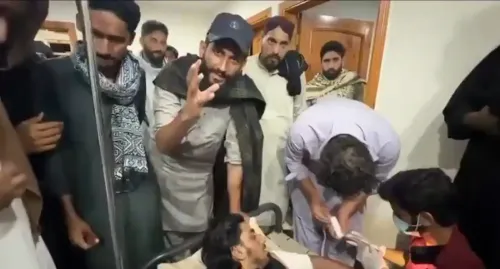
Critically injured civilians were reportedly transported 40 kilometres from Rawalakot to Palandri Hospital due to lack of local trauma care.
Internet and telecommunications services remain severely restricted, hampering family contact and emergency coordination.
Protesters allege more than 50 people have been killed and hundreds injured since unrest began on 5 June — figures not independently verified.
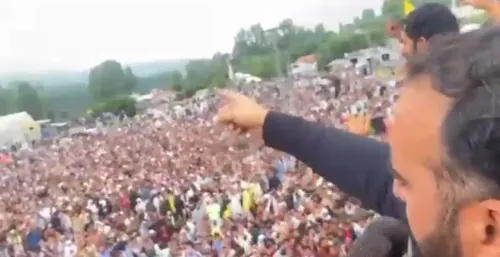
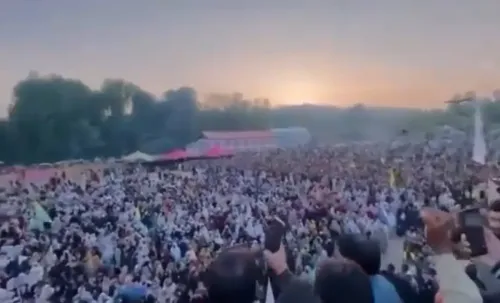
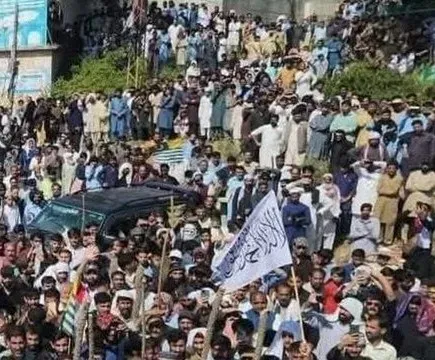
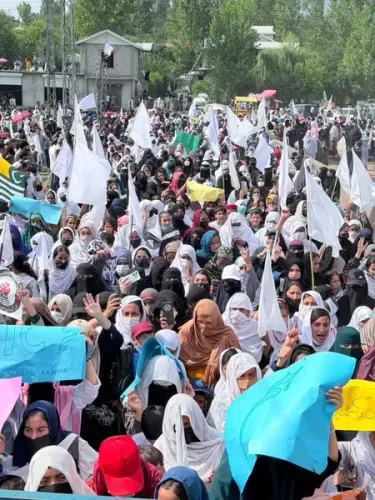
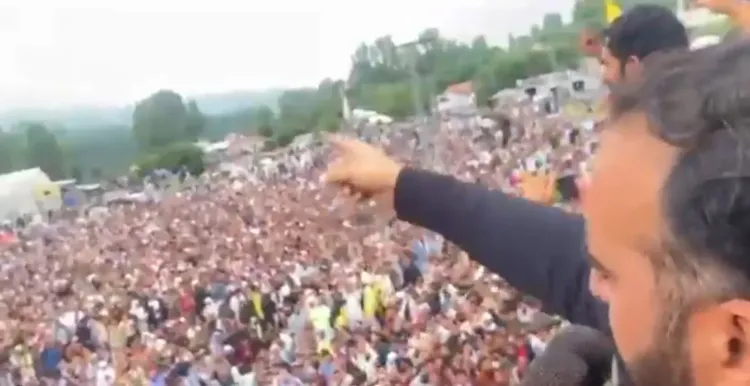
The JKJAAC long march , which began on 9 June , continued on Sunday despite reported arrests and intimidation.
The Jammu Kashmir Joint Awami Action Committee (JKJAAC) has formally written to the Pakistan Red Crescent Society, calling for urgent humanitarian and medical assistance in Rawalakot and other affected areas of Pakistan-occupied Jammu and Kashmir (PoJK), as the region faces what the committee describes as a deepening crisis following events on 27-28 July.
A Humanitarian Emergency Declared
In its letter, the JKJAAC characterised the situation in PoJK as a 'serious humanitarian and medical emergency.' Reports received from affected communities point to civilian casualties, firearm-related injuries, disrupted ambulance routes, restricted hospital access, and acute shortages of medicines, blood supplies, and emergency trauma care.
According to the letter, the Jammu Kashmir Human Rights Observatory has documented cases where critically injured individuals were transported approximately 40 kilometres from Rawalakot to Palandri Hospital because local trauma care was unavailable or inaccessible. The committee noted that road closures, security cordons, and communications restrictions allegedly delayed the evacuation and treatment of injured civilians — findings it said remain subject to ongoing medical, family, and independent verification.
Communications Blackout Compounds the Crisis
Internet and telecommunications services in the region have reportedly remained severely restricted, leaving families unable to locate injured, detained, or missing relatives. The communications shutdown has also made it extremely difficult to coordinate emergency assistance on the ground, according to the JKJAAC letter.
What JKJAAC Has Demanded
The committee urged the Pakistan Red Crescent Society to deploy an independent emergency assessment and medical team in Rawalakot and other affected areas. Specific demands include the provision of ambulances, mobile medical units, trained first-aid personnel, and trauma-care supplies, as well as the establishment of temporary first-aid and emergency treatment points along affected routes and near major gathering areas.
Protests and Crackdown: The Broader Context
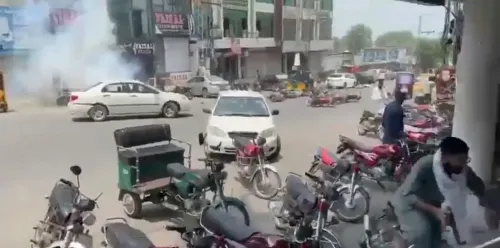
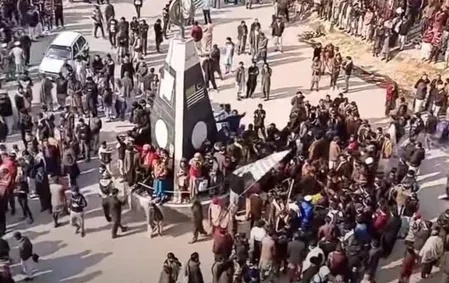
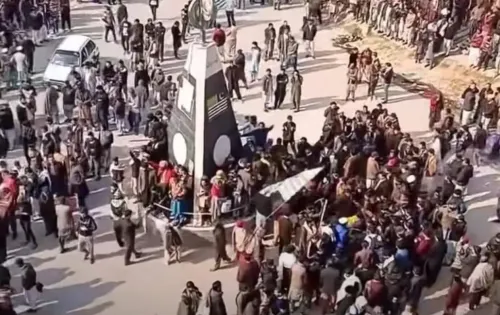
Pakistan-occupied Kashmir (PoK) is currently witnessing what observers describe as the most extensive confrontation between the local population and the Pakistani state in decades. Protests reportedly began on 5 June and have continued to intensify. Protesters have alleged that Pakistani security forces launched a severe crackdown, with claims that more than 50 people have been killed and hundreds injured over the past several weeks. These figures have not been independently verified.
On the same day the letter was issued, the JKJAAC shared a video on X purportedly showing Pakistani forces dragging and assaulting an unarmed civilian in Muzaffarabad city. The committee called on the United Nations, the Office of the UN High Commissioner for Human Rights (OHCHR), Amnesty International, Human Rights Watch, international media, and diplomatic missions to examine the footage and press for an immediate, independent, and impartial investigation.
The JKJAAC also urged the International Committee of the Red Cross (ICRC) to closely monitor the humanitarian situation and ensure that injured civilians and others affected receive protection and assistance in accordance with its mandate.
Long March Continues Despite Crackdown
The long march that began on 9 June continued on Sunday, with residents of PoK participating despite weeks of reported arrests, killings, injuries, and intimidation. 'This movement belongs to the people. As long as those legitimate demands remain unmet, the voices of the people will continue to be heard,' the JKJAAC posted on X. The committee maintained that the movement is rooted in public demands for fundamental rights, justice, and the implementation of commitments made by the authorities.
With international bodies yet to formally respond, the situation in PoJK remains fluid, and advocacy groups are expected to intensify pressure on Islamabad and multilateral institutions in the days ahead.
Point of View
Which is harder for Islamabad to dismiss and easier for international bodies to act on. The detail about injured civilians being ferried 40 km for trauma care is precisely the kind of verifiable, operational fact that agencies like the ICRC respond to. What is missing from the public record is any formal Pakistani government response to the casualty figures or the communications blackout — a silence that itself becomes part of the story. With the long march now in its third month, the question is no longer whether the crisis is real but whether international institutions will move before the situation deteriorates further.
NationPress
18 Sept 2026
Frequently Asked Questions
What is the JKJAAC and why has it written to the Pakistan Red Crescent?
The Jammu Kashmir Joint Awami Action Committee (JKJAAC) is a civil society body representing communities in Pakistan-occupied Jammu and Kashmir. It wrote to the Pakistan Red Crescent Society requesting urgent humanitarian and medical assistance in Rawalakot and other affected areas following what it describes as a serious humanitarian emergency after the events of 27-28 July.
What conditions are being reported in Rawalakot and PoJK?
According to the JKJAAC letter, affected areas are experiencing civilian casualties, firearm-related injuries, disrupted ambulance routes, restricted hospital access, and shortages of medicines and blood supplies. Critically injured individuals were reportedly transported 40 km to Palandri Hospital because local trauma care was unavailable. Internet and telecommunications services remain severely restricted.
How many people have been killed in the PoJK unrest?
Protesters allege that more than 50 people have been killed and hundreds injured since the unrest began on 5 June. These figures have not been independently verified, and the JKJAAC itself notes that some findings remain subject to continuing medical, family, and independent verification.
What has JKJAAC demanded from international organisations?
The JKJAAC has called on the United Nations, the OHCHR, Amnesty International, Human Rights Watch, international media, and diplomatic missions to examine footage of alleged civilian assault in Muzaffarabad and press for an independent investigation. It has also urged the ICRC to monitor the humanitarian situation and ensure civilian protection.
What is the JKJAAC long march and is it still ongoing?
The long march is a sustained protest movement that began on 9 June in Pakistan-occupied Kashmir, driven by public demands for fundamental rights, justice, and fulfilment of commitments made by authorities. Despite reported arrests, killings, and intimidation over several weeks, the march continued on Sunday, according to the JKJAAC.