PoK crackdown: At least 20 killed during JAAC Long March in Rawalakot
Synopsis
At least 20 people were killed and hundreds reportedly injured when Pakistani authorities cracked down on a JAAC Long March in Rawalakot, PoK — on the very day of regional legislative elections. The Human Rights Commission of Pakistan has publicly demanded accountability, a rare and pointed rebuke of the state's use of force against its own citizens.
Key Takeaways
At least 20 people killed and dozens critically injured during a JAAC Long March in Rawalakot, PoK on 28 July .
Unofficial reports suggest the death toll could be several dozen , with hundreds injured ; communications disruptions are hampering a full count.
The crackdown occurred on the day of the first phase of PoK legislative elections .
The Human Rights Commission of Pakistan (HRCP) called for an immediate end to violence and an independent, impartial investigation.
One victim remained unidentified, with his body at Palandri Hospital ; 19 others were confirmed by name, per the JAAC.
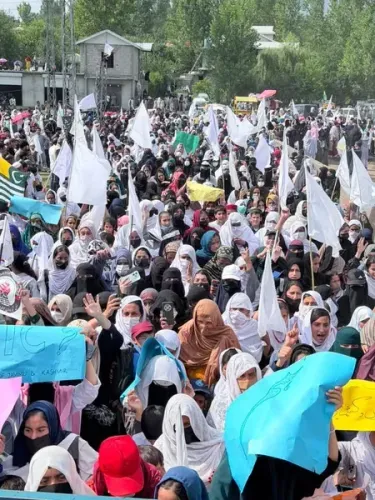
Protesters gathered at Chandni Chowk, Rawalakot , with the JAAC set to announce its next steps at Shahid Chowk .
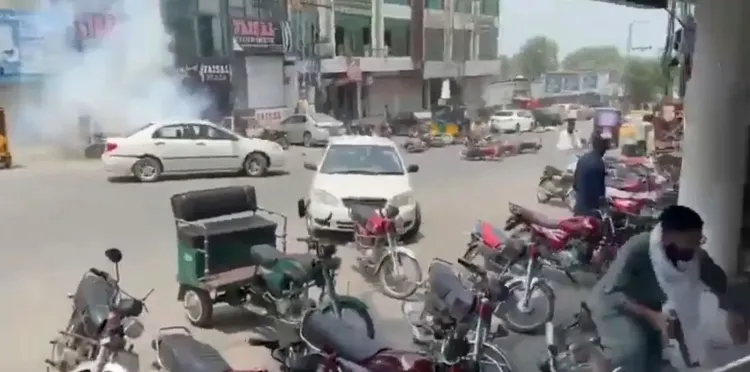
The Human Rights Commission of Pakistan (HRCP) on Tuesday, 28 July called for an immediate halt to violence and a prompt, independent investigation after at least 20 people were killed and dozens critically injured during a Long March organised by the Joint Awami Action Committee (JAAC) in Pakistan-occupied Kashmir (PoK). The clashes erupted in Rawalakot on the same day as the first phase of PoK legislative elections, as Pakistani authorities moved against protesters in the region.
What Happened in Rawalakot
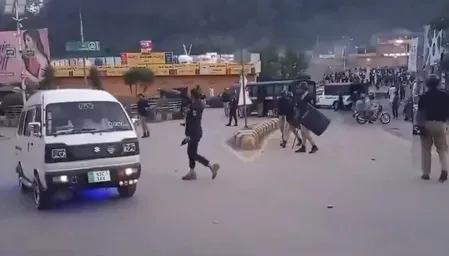
Clashes between law enforcement personnel and JAAC protesters turned deadly in Rawalakot, with official figures confirming at least 20 fatalities. Unofficial accounts suggest the death toll could run into several dozen, with hundreds reported injured. One of the deceased, who sustained a bullet wound to the head, remained unidentified at the time of reporting, with his body at Palandri Hospital, according to the JAAC.
The JAAC, in a post on X (formerly Twitter), confirmed that 19 individuals had been identified by name, while the identity of the twentieth victim was yet to be established. The committee noted that a full accounting of casualties remained contingent on daylight and the restoration of communications in the area.
HRCP Raises Alarm, Demands Accountability
The HRCP described itself as 'deeply alarmed' by the reported deaths and injuries, calling the violence in Rawalakot 'a stark reminder of the human cost of the tensions' that have gripped the region in recent weeks.
'We call for an immediate end to this cycle of violence and a prompt, impartial and independent investigation into the reported deaths and injuries, and for anyone responsible for unlawful use of force to be held to account,' the HRCP stated in its post on X.
The rights body's intervention marks one of the most pointed public criticisms by a Pakistani institution of the state's handling of the PoK unrest.
Background: JAAC Protests and the PoK Unrest
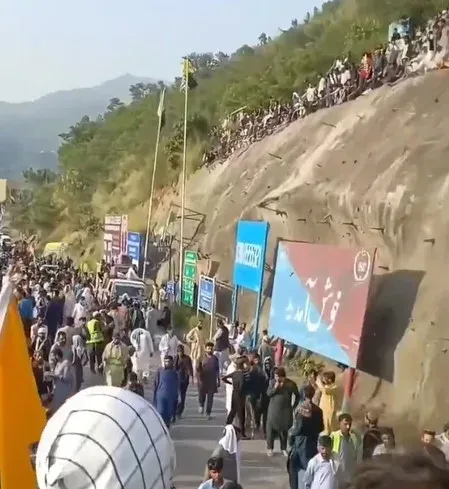
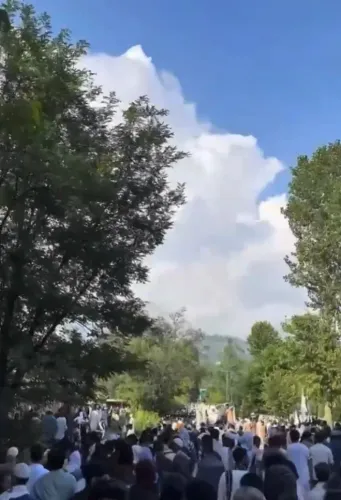
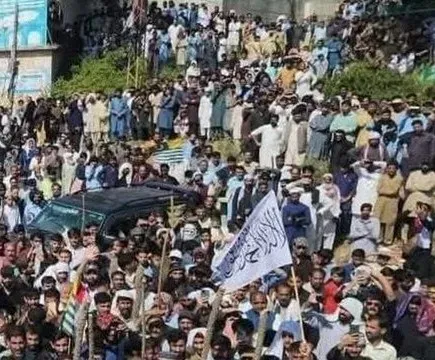
The Joint Awami Action Committee has been at the forefront of a prolonged civil movement in PoK, demanding economic relief, cheaper flour and electricity, and greater political autonomy. The Long March — a mass mobilisation tactic — had been building for weeks before Tuesday's confrontation. The timing of the crackdown, coinciding with regional elections, has drawn particular scrutiny from rights observers.
This is not the first instance of Pakistani security forces clashing with JAAC-led demonstrations; previous marches in 2023 also saw violent dispersals, though the reported scale of Tuesday's casualties appears significantly higher.
Situation on the Ground
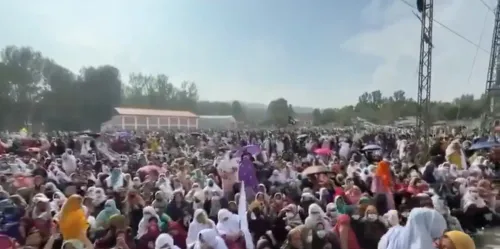
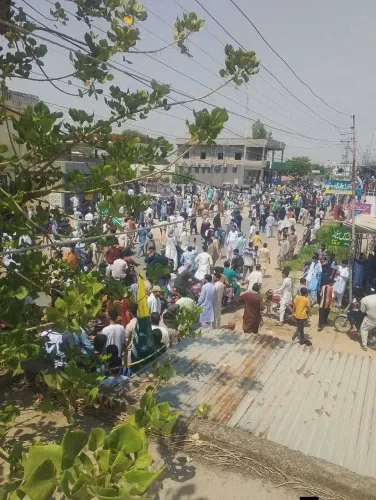
According to the JAAC, protesters remained gathered at Chandni Chowk in Rawalakot city as of Tuesday. The committee announced that a formal gathering would be convened at Shahid Chowk once daylight arrived, at which the movement's next course of action would be declared.
The death toll is expected to rise, with several of those injured reported to be in critical condition. Communications disruptions in parts of PoK were hampering a full assessment of the situation, according to reports.
Point of View
A domestic institution, has gone on record demanding accountability. Pakistan's rights bodies rarely take such public positions against state security action. If the unofficial death toll of 'several dozen' is confirmed, this will be one of the deadliest episodes of internal repression in PoK in recent memory — and the silence of international interlocutors will be harder to maintain.
NationPress
27 Oct 2026
Frequently Asked Questions
What happened during the JAAC Long March in Rawalakot on 28 July?
At least 20 people were killed and dozens critically injured when Pakistani law enforcement clashed with protesters participating in a Long March organised by the Joint Awami Action Committee (JAAC) in Rawalakot, Pakistan-occupied Kashmir. The violence erupted on the day of the first phase of PoK legislative elections.
What is the Joint Awami Action Committee (JAAC)?
The JAAC is a civil society and protest coalition in Pakistan-occupied Kashmir that has led prolonged demonstrations demanding economic relief — including cheaper flour and electricity — and greater political autonomy from Islamabad. It has organised multiple Long Marches to press its demands.
What did the Human Rights Commission of Pakistan say about the violence?
The HRCP said it was 'deeply alarmed' by the deaths and injuries in Rawalakot and called for an immediate end to the cycle of violence. It demanded a prompt, impartial, and independent investigation and accountability for anyone responsible for the unlawful use of force.
How many people were killed and injured in the PoK clashes?
At least 20 deaths have been confirmed, with 19 individuals identified by name and one victim unidentified at Palandri Hospital. Unofficial reports suggest the toll could be several dozen, with hundreds injured; communications disruptions in the region are preventing a definitive count.
What is the current situation in Rawalakot after the clashes?
As of Tuesday, JAAC protesters remained assembled at Chandni Chowk in Rawalakot city. The committee announced it would hold a formal gathering at Shahid Chowk once daylight arrived, at which the movement's next course of action would be declared. The death toll is expected to rise as those critically injured remain in hospital.