Pomegranate prices double in Pakistan after Afghanistan trade halt
Synopsis
Pakistan's pomegranate prices have more than doubled — from 400 to 900 rupees per kilogramme — after Islamabad suspended bilateral trade with Afghanistan in 2025. With 250 trucks a day previously crossing at Chaman and over $18 million in annual Afghan pomegranate imports now frozen, local growers in Balochistan cannot bridge the gap, and Pakistan's Commerce Ministry puts the broader bilateral trade loss at $1 billion since the suspension began.
Key Takeaways
Pomegranate prices in Quetta have risen from 400 rupees ($1.44) to 900 rupees ($3) per kilogramme following the trade suspension.
A 10-kg crate of large pomegranates now costs up to 10,000 rupees ($36) , compared with 4,000 rupees ($14) in 2025 .
Pakistan imported more than $18 million worth of Afghan pomegranates in 2024 , according to Pakistan's Bureau of Statistics .
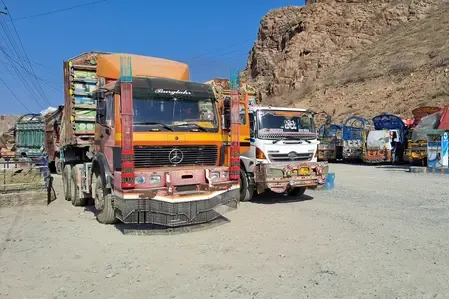
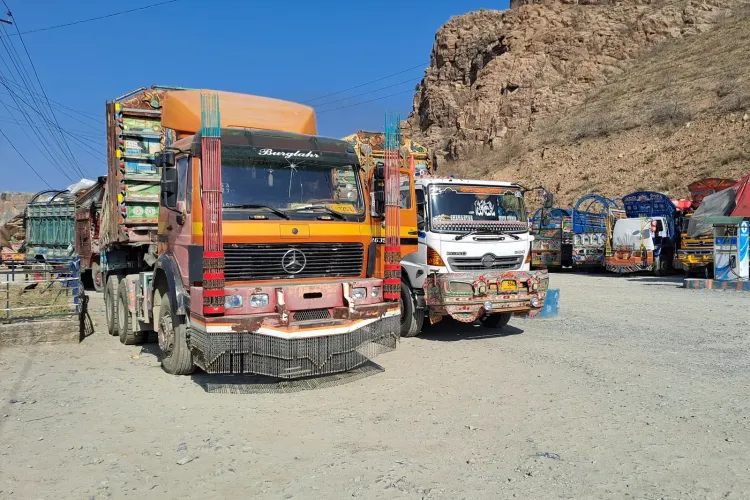
Around 250 trucks of Afghan pomegranates used to enter Pakistan through Chaman daily during peak season; that flow has been disrupted since the trade halt.
Pakistan's Commerce Ministry estimates total bilateral trade losses of $387 million between July and October 2026 , with exports to Afghanistan down nearly $1 billion since the suspension.
Pomegranate prices in Pakistan have more than doubled following the suspension of bilateral trade with Afghanistan, according to a report by Afghanistan's Ariana News citing Arab News. The disruption has cut off supplies of Afghan fruit, forcing traders in Pakistan to depend increasingly on domestic production that experts say falls far short of national demand.
How Sharp the Price Rise Has Been
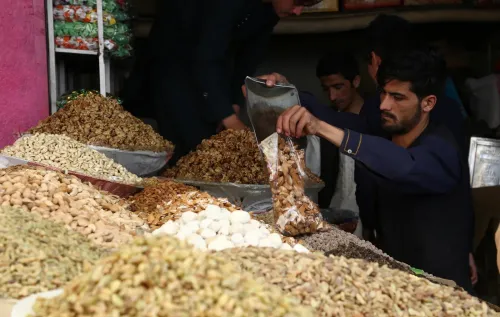
In Quetta, the capital of Balochistan province, high-quality pomegranates are reportedly selling for around 900 Pakistani rupees ($3) per kilogramme — more than double the 400 rupees ($1.44) per kilogramme recorded during the same period last year. The spike is even steeper for bulk buyers: a 10-kilogramme crate of large pomegranates that cost approximately 4,000 rupees ($14) in 2025 now fetches as much as 10,000 rupees ($36), according to the report.
Trade Suspension Behind the Supply Crunch
Pakistan was previously a major importer of Afghan pomegranates. According to Pakistan's Bureau of Statistics, the country imported more than $18 million worth of pomegranates from Afghanistan in 2024. That pipeline has now been severely restricted amid escalating tensions between the two neighbouring countries and the suspension of bilateral trade that took effect in 2025.
Hajji Jalat Khan Achakzai, a former president of the Chaman Chamber of Commerce and an Afghan pomegranate importer, said the halt had hurt not just consumers but also importers, transporters, and clearing agents. He noted that around 250 trucks carrying Afghan pomegranates would previously enter Pakistan through Chaman each day during the fruit season, which runs from mid-October to mid-December. Achakzai called on Kabul and Islamabad to resolve their differences and resume trade.
Local Growers Cannot Fill the Gap
Waheed Ahmed, head of the Pakistan Fruit and Vegetable Association, reportedly acknowledged that the suspension of Afghan imports had created an opening for local growers in Balochistan, but warned that the broader disruption was damaging trade across the supply chain. Local production in Balochistan is widely considered insufficient to meet demand across Pakistan.
Wider Economic Damage
The pomegranate price shock is one symptom of a larger bilateral trade collapse. Pakistan's Commerce Ministry recently told a parliamentary committee that the country's exports to Afghanistan had declined by around $1 billion since trade was suspended in 2025. It also estimated trade losses of $387 million between July and October 2026 due to regional conflicts, trade disruptions, and rising transportation costs, the report stated.
With the fruit season in full swing and no resolution to diplomatic tensions in sight, traders and consumers on both sides of the border face continued uncertainty in the weeks ahead.
Point of View
Not just perishables. What mainstream coverage underweights is the asymmetric exposure: Pakistan's formal trade infrastructure — Chaman border crossings, clearing agents, transporters — is built around high-volume Afghan flows that cannot be domestically substituted at short notice. Calling it a 'fruit price story' obscures a structural trade shock whose full cost, the Commerce Ministry's own estimate of $387 million in four months alone, is still unfolding.
NationPress
16 Nov 2026
Frequently Asked Questions
Why have pomegranate prices doubled in Pakistan?
Pomegranate prices in Pakistan have more than doubled because the country suspended bilateral trade with Afghanistan in 2025, cutting off a major supply source. Pakistan previously imported over $18 million worth of Afghan pomegranates annually, and local production in Balochistan cannot meet national demand.
How much are pomegranates selling for in Pakistan now?
In Quetta, high-quality pomegranates are reportedly selling for around 900 Pakistani rupees ($3) per kilogramme, up from 400 rupees ($1.44) during the same period last year. A 10-kilogramme crate now costs as much as 10,000 rupees ($36), compared with 4,000 rupees ($14) in 2025.
How much trade has Pakistan lost due to the Afghanistan suspension?
Pakistan's Commerce Ministry told a parliamentary committee that exports to Afghanistan have declined by around $1 billion since trade was suspended in 2025. It also estimated losses of $387 million between July and October 2026 alone, citing regional conflicts, trade disruptions, and rising transportation costs.
Can local Pakistani growers replace Afghan pomegranate imports?
No, according to traders and industry officials. Local production in Balochistan is considered insufficient to meet demand across Pakistan. Waheed Ahmed, head of the Pakistan Fruit and Vegetable Association, said the import suspension has created an opportunity for local growers but warned of broader damage to trade.
When does the Afghan pomegranate season run?
The Afghan pomegranate season runs from mid-October to mid-December. During this period, around 250 trucks of Afghan pomegranates previously entered Pakistan through the Chaman border crossing daily, a flow that has been severely disrupted since the trade suspension.