Ramaswamy Addresses Ohio Property Tax Crisis in Euclid
Synopsis
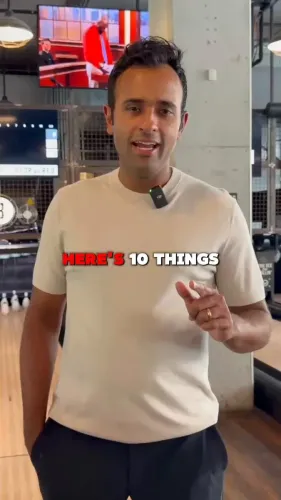
Entrepreneur Vivek Ramaswamy responded to an Euclid, Ohio resident's question about the property tax crisis, posting a video outlining what he says will happen to address it within the next 12 months amid rising home assessments across the state.
Key Takeaways
Entrepreneur Vivek Ramaswamy shared a video on July 25, 2026 responding to a question from Ron , a resident of Euclid, Ohio , about the local property tax crisis.
Ramaswamy outlined what he says 'will happen within the next 12 months ' to address the issue, setting a concrete public timeline.
Euclid is a Cleveland suburb in Cuyahoga County where rising home assessments have driven up property tax bills for many residents.
Ohio administers property taxes at the county and municipal level, limiting the direct authority of state or federal figures over assessments.
Post-pandemic home value surges have accelerated property tax burdens across Ohio and the broader Midwest , making it a politically salient issue.
Ramaswamy's engagement continues a pattern of national political figures linking federal efficiency rhetoric to localised taxpayer grievances.
Entrepreneur Vivek Ramaswamy — founder of Strive Asset Management, former co-lead of the Department of Government Efficiency (DOGE) advisory effort, and 2024 Republican presidential candidate — on Friday, July 25, 2026, shared a video response to a question posed by a resident named Ron in Euclid, Ohio, outlining what he says will happen to address the state's property tax crisis within the next 12 months.
Context
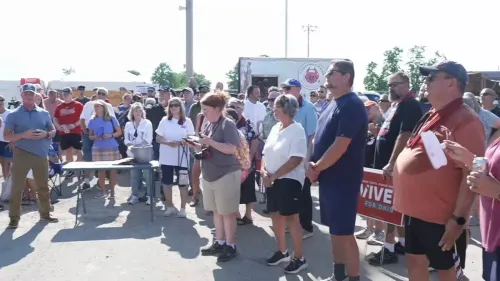
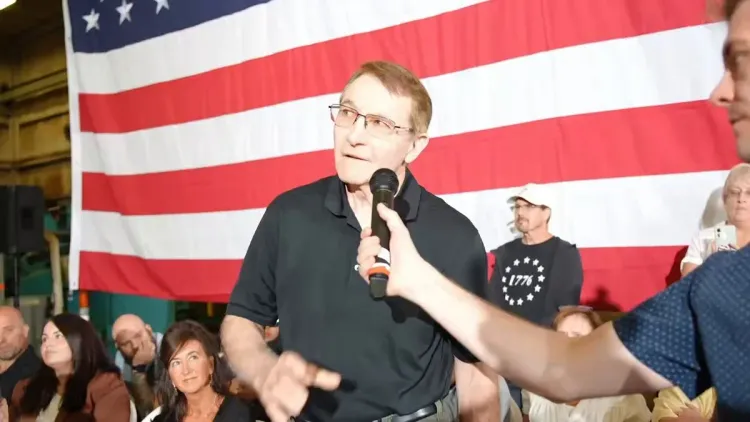
Ramaswamy recounted an exchange with Ron, an Euclid resident, who asked him directly about how the property tax crisis came about and what he intends to do to resolve it. Euclid is a suburb of Cleveland in Cuyahoga County, where rising home assessments have translated into sharply higher property tax bills for many homeowners. The post, which includes a video of his response, frames the interaction as a town-level accountability moment.
Ramaswamy stated he told Ron what 'will happen within the next 12 months,' signalling a concrete, time-bound commitment rather than a general policy aspiration. The specific measures outlined in the video have not been independently detailed in the post text itself.
Policy Backdrop
Ohio administers property taxes at the county and municipal level, meaning state and federal officials have limited direct authority over assessment cycles or rate-setting. Property tax burdens across Ohio and much of the Midwest have accelerated following post-pandemic surges in home values, which triggered reassessments that outpaced many residents' incomes.
During his 2024 presidential campaign, Ramaswamy championed broad government efficiency measures and federal spending cuts, arguing these would indirectly ease fiscal pressure on state and local governments. His latest engagement in Euclid extends that rhetorical arc into a specific local grievance, linking his efficiency-focused brand to taxpayer relief at the neighbourhood level. Ohio has ongoing legislative debates around school funding formulas and property tax caps that form the structural backdrop to the crisis Ron described.
Stakeholders and Impact
Ohio homeowners — particularly in older industrial suburbs such as Euclid — are the most directly affected constituency. Many are fixed-income or working-class residents whose housing costs have climbed without a corresponding rise in wages, making property tax relief a politically potent issue ahead of any future electoral cycle in the state.
Ramaswamy's intervention also signals continued political engagement with Ohio, a state where he maintains personal and political connections. National figures addressing hyper-local fiscal grievances has become a recurring pattern, often blurring the line between federal efficiency rhetoric and state-level tax policy where Washington has no direct mandate.
What's Next
Ramaswamy has set a self-imposed 12-month window for visible action on the property tax issue, which will invite scrutiny from Ohio residents, local officials, and political observers alike. Any follow-up proposals — whether legislative, administrative, or through advocacy — will be measured against this stated timeline.
Analysts and Ohio lawmakers are likely to watch whether Ramaswamy's engagement translates into concrete relief mechanisms such as assessment caps, homestead exemptions, or state-level spending reforms. The post underscores how localised tax burdens are becoming a defining issue for political figures seeking to sustain grassroots credibility beyond a single election cycle.
Point of View
Anchoring a national efficiency message in a tangible local grievance. By attaching a 12-month deadline to his promised action, he creates a built-in accountability moment — one that could either validate his influence or expose the limits of a non-officeholder's ability to drive state tax policy. The property tax issue is structurally difficult for federal-level figures to resolve, given Ohio's decentralised administration, which means the follow-through will matter as much as the pledge. This pattern of national figures adopting hyper-local fiscal causes reflects a broader shift in American political communication toward personalised, constituent-level engagement over broad platform messaging.
NationPress
24 Jul 2026
Frequently Asked Questions
What did Vivek Ramaswamy say about the Ohio property tax crisis?
Ramaswamy posted a video responding to an Euclid, Ohio resident named Ron, outlining what he says will happen to address the property tax crisis within the next 12 months, though the specific measures were shared in the video rather than the post text.
Why are property taxes rising in Euclid, Ohio?
Property taxes in Euclid and much of Ohio have risen due to post-pandemic surges in home values that triggered reassessments, increasing tax liabilities for homeowners even when their incomes did not rise proportionally.
Does Vivek Ramaswamy have authority over Ohio property taxes?
No. Ohio administers property taxes at the county and municipal level, so neither a federal official nor a private political figure has direct authority over assessment cycles or tax rates, making any intervention primarily legislative or advocacy-based.
What is Vivek Ramaswamy's current role in 2026?
As of 2026, Ramaswamy is the founder and executive chairman of Strive Asset Management. He previously served as co-lead of the Department of Government Efficiency advisory effort and ran for the Republican presidential nomination in 2024.
What should Ohio homeowners watch for in the next 12 months?
Ohio homeowners should watch for any proposed legislation, administrative advocacy, or public campaigns from Ramaswamy or allied Ohio lawmakers targeting property tax caps, homestead exemptions, or reassessment reform within his stated 12-month window.