Ramaswamy Backs County Fairs, Slams 'Dr. Lockdown' Era
Synopsis
Entrepreneur Vivek Ramaswamy used a video post on X to celebrate county fairs and renew his attack on pandemic-era 'Dr. Lockdown' figures, vowing they will never again control public-health levers. The remarks extend a recurring Republican critique of emergency administrative power that is shaping state legislative debates in 2026.
Key Takeaways
Ramaswamy posted on X on 25 June 2026 , praising county fairs and attacking officials he labels 'Dr.
Lockdown' for shutting them down during the pandemic.
During 2020-2021 , numerous US states issued emergency orders cancelling or restricting county fairs and other outdoor community gatherings.
The post extends a well-established line of Republican post-pandemic rhetoric targeting the administrative machinery behind emergency public-health orders.
Ramaswamy previously co-led the US Department of Government Efficiency (DOGE) advisory effort and ran for president in the 2024 Republican primary .
Several US state legislatures are weighing permanent limits on governors' emergency public-health authority, the policy arena most directly implicated by Ramaswamy's remarks.
Entrepreneur and former 2024 Republican presidential candidate Vivek Ramaswamy took to X on Thursday, 25 June 2026, to celebrate county fairs and renew his attack on public-health officials he holds responsible for shutting down such gatherings during the COVID-19 pandemic. In a pointed post, Ramaswamy vowed that figures he labels 'Dr. Lockdown' would never again be allowed near the levers of power.
Context
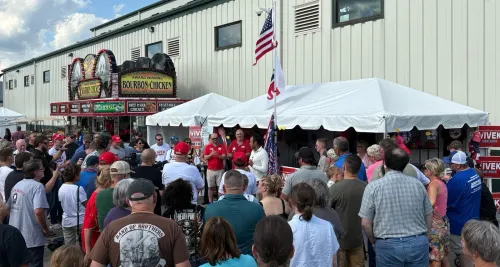
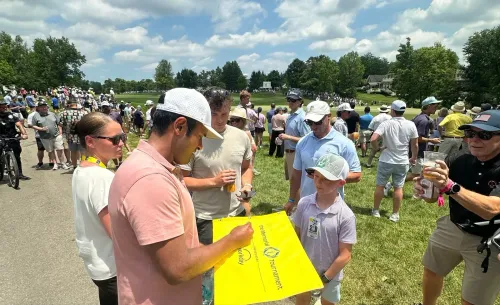
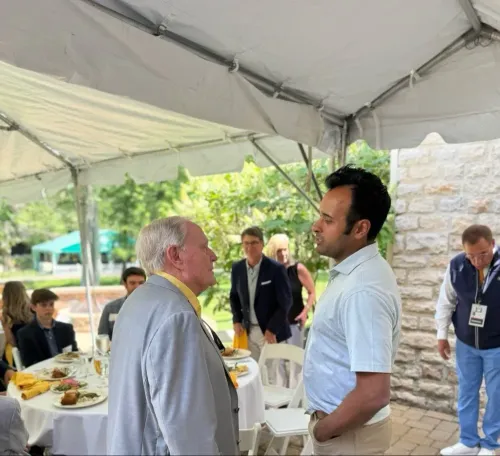
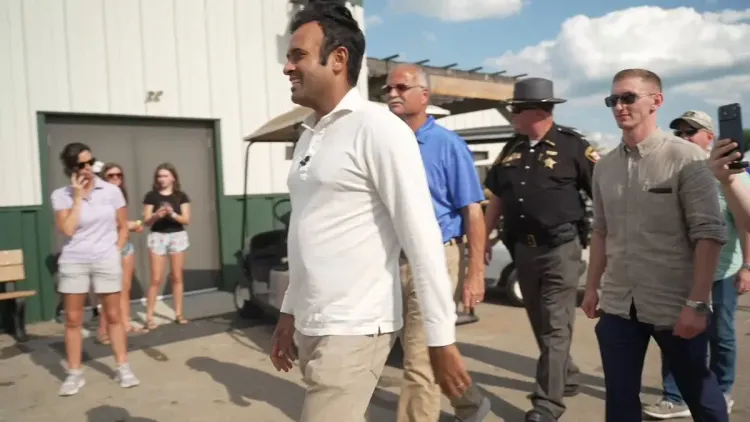
Ramaswamy wrote: 'Love our county fairs, love the positive energy. Dr. Lockdown tried to shut them down. We'll never let her (or those who behave like her) get near the levers of power again.' The post, which accompanied a video, frames rural community events as a cultural touchstone that pandemic-era governance threatened. The phrase 'Dr. Lockdown' is a pejorative used in Republican circles to describe public-health officials or governors who enforced strict gathering limits during 2020 and 2021.
County fairs are a staple of American rural life, typically held in summer months and drawing hundreds of thousands of visitors across farming communities. During the early phases of the pandemic, numerous US states and localities issued emergency orders that cancelled or sharply curtailed such outdoor events as part of COVID-19 mitigation measures.
Policy Backdrop
The post sits within a well-established line of Republican post-pandemic rhetoric that targets the administrative machinery behind emergency public-health orders. Critics of those orders argue that restrictions on outdoor gatherings — including agricultural fairs, farmers' markets, and community festivals — were disproportionate and caused lasting economic and social harm to rural communities.
This messaging has surfaced repeatedly in state-level campaigns and congressional oversight hearings examining pandemic policy decisions. Ramaswamy, who co-led the US Department of Government Efficiency (DOGE) advisory effort before stepping back to focus on Ohio's gubernatorial race, has consistently argued for rolling back what he describes as unchecked administrative power wielded by unelected officials.
Stakeholders and Impact
Rural communities and county fair organisers remain the primary stakeholders in this debate. For many agricultural counties, annual fairs represent significant local economic activity — vendor revenues, livestock competitions, and tourism spending that supports small businesses. The cancellations of 2020 left a tangible financial gap that organisers documented extensively.
Public-health advocates, by contrast, maintain that temporary gathering restrictions were evidence-based responses to a novel pathogen and helped reduce transmission during a period of medical uncertainty. The tension between these two positions has not resolved and continues to animate debates over the scope of executive emergency authority at both state and federal levels.
What's Next
Several US state legislatures are currently weighing permanent changes to emergency public-health authority, including measures that would require legislative approval before governors or health departments can restrict large public gatherings. Potential 2026 ballot measures in some states may also address local-event permitting rules. Ramaswamy's post signals that curtailing such administrative power will remain a live issue in Republican politics heading into the midterm election cycle.
As the post-pandemic accountability debate intensifies, the question of who holds emergency authority — and under what constraints — is likely to become a defining fault line in state-level governance contests across the United States through the remainder of 2026.
Point of View
He keeps the critique broad enough to apply to any future public-health official who might favour restrictive measures — a deliberate rhetorical strategy. The post connects to a larger Republican effort to permanently constrain emergency executive authority through state legislation, turning pandemic-era grievances into structural governance reform. For Indian observers, the debate mirrors ongoing global conversations about the appropriate balance between public-health mandates and civil liberties in democratic systems.
NationPress
26 Jun 2026
Frequently Asked Questions
Who is Vivek Ramaswamy and why is he criticising lockdowns?
Vivek Ramaswamy is an American entrepreneur, founder of Strive Asset Management, former co-lead of the DOGE advisory effort, and 2024 Republican presidential candidate. He has consistently argued that pandemic-era public-health officials overstepped their authority by restricting gatherings such as county fairs, and he vowed in his June 2026 post that such officials would never again hold power.
What does 'Dr. Lockdown' mean in Ramaswamy's post?
'Dr. Lockdown' is a pejorative term used in Republican political circles to describe public-health officials or governors who enforced strict gathering restrictions during the COVID-19 pandemic of 2020-2021. Ramaswamy's post does not name a specific individual, keeping the label broadly applicable.
Were county fairs actually shut down during COVID-19?
Yes. During 2020 and into 2021, numerous US states and localities issued emergency orders that cancelled or significantly restricted county fairs and similar outdoor community events as part of COVID-19 mitigation efforts, causing economic losses for rural vendors and organisers.
What is Ramaswamy's connection to DOGE?
Ramaswamy co-led the US Department of Government Efficiency advisory effort alongside Elon Musk before stepping back to pursue other political and business activities. DOGE was tasked with identifying ways to reduce federal government spending and streamline administrative operations.
What policy changes could follow from this debate?
Several US state legislatures are currently considering permanent limits on emergency public-health authority, including requirements for legislative approval before governors can restrict large public gatherings. Some states may also see 2026 ballot measures addressing local-event permitting rules.