Ramaswamy Backs Ohio Energy Push, Calls for Deregulation
Synopsis
Vivek Ramaswamy on June 30, 2026 backed what he called 'good news' on energy in Ohio, arguing the state's natural resources can power a manufacturing revival if federal and state red tape is cleared. The post reflects his continued advocacy for deregulation after his DOGE co-lead role.
Key Takeaways
Entrepreneur Vivek Ramaswamy posted on June 30, 2026 in support of energy development in Ohio .
He called energy abundance 'the foundation of a manufacturing boom' in the state.
Ramaswamy urged removal of regulatory red tape blocking access to Ohio's natural resources.
Ohio sits atop major Utica and Marcellus Shale reserves, making it a key US energy state.
The post is consistent with the deregulatory agenda Ramaswamy championed as co-lead of the DOGE advisory effort.
Ramaswamy remains publicly active on Ohio's economic future through his role at Strive Asset Management .
Entrepreneur and former DOGE co-lead Vivek Ramaswamy on Tuesday, June 30, 2026, publicly endorsed what he described as 'good news' on energy in Ohio, arguing that energy abundance is the essential foundation for a manufacturing revival in the state and calling for the removal of regulatory barriers.
Context
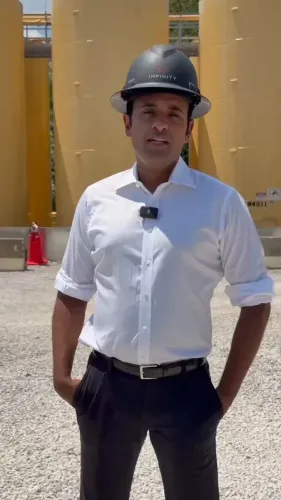
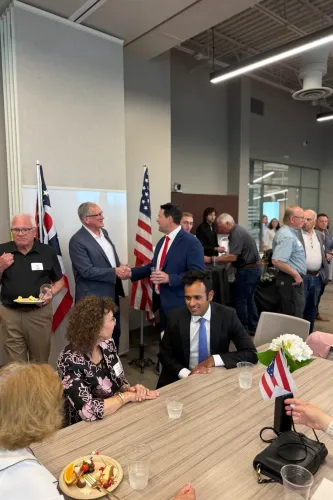
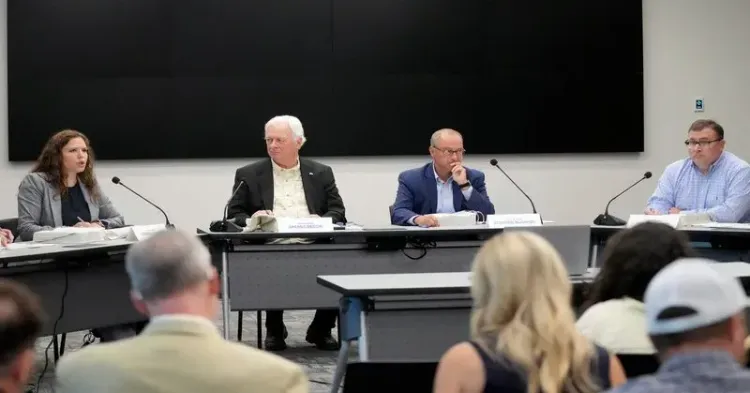
Ramaswamy, who is the founder and executive chairman of Strive Asset Management and a former 2024 Republican presidential candidate, posted on X that Ohio possesses 'unparalleled natural resources' and that the priority now must be cutting red tape to unlock their potential. The post came with an attached image, though the specific 'good news' he references — likely a policy announcement, permit approval, or energy project update in Ohio — was not elaborated upon in the post itself.
Ramaswamy has deep personal and political roots in Ohio. He was born in Cincinnati and has repeatedly positioned the state as a model for American industrial renewal, themes that were central to his presidential campaign and his subsequent work at Strive.
Policy Backdrop
Ohio sits atop significant reserves of natural gas and oil, particularly in the Utica and Marcellus Shale formations in the eastern part of the state. The region has been a focal point of debate between energy developers seeking faster permitting and environmental advocates pushing for stricter oversight of drilling and pipeline activity.
Ramaswamy's call to 'get the red tape out of the way' aligns with a broader deregulatory posture he championed during his tenure as co-lead of the Department of Government Efficiency (DOGE) advisory effort under the second Trump administration. That effort specifically targeted federal permitting timelines for energy infrastructure as a drag on economic competitiveness.
Stakeholders and Impact
A manufacturing boom in Ohio tied to cheaper, more abundant domestic energy would have wide implications — for industrial employers, blue-collar workers, and the state's political landscape. Ohio is a perennial swing state, and energy policy has become an increasingly salient issue for working-class voters in the Rust Belt.
Critics of aggressive deregulation in the energy sector argue that fast-tracked permitting can bypass environmental review processes designed to protect water sources and communities near drilling sites. Proponents counter that regulatory delays raise energy costs and push manufacturing investment to other states or overseas.
What's Next
Ramaswamy's post signals continued public engagement on Ohio's economic and energy trajectory even after his formal exit from the DOGE advisory role. With his Strive platform advocating for energy-sector investment and his political profile still elevated nationally, his commentary is likely to amplify pressure on both state and federal regulators to accelerate approvals for Ohio energy projects. Whether the specific development he referenced translates into concrete permitting or legislative action will determine the near-term impact on the state's manufacturing ambitions.
Point of View
He is echoing a Rust Belt economic argument that has proven electorally potent in the region. His commentary keeps him relevant in national policy debates even outside a formal government role, and sustains pressure on regulators at a moment when federal permitting reform remains contested. For Indian observers, the post is a window into how American political entrepreneurs use social media to shape economic narratives between election cycles.
NationPress
1 Jul 2026
Frequently Asked Questions
What did Vivek Ramaswamy say about Ohio energy?
Ramaswamy said energy abundance is 'the foundation of a manufacturing boom in Ohio' and called for removing regulatory red tape to unlock the state's natural resources.
What is Vivek Ramaswamy's connection to Ohio?
Ramaswamy was born in Cincinnati, Ohio, and has consistently highlighted the state's economic potential as central to his political and business messaging.
What natural resources does Ohio have for energy?
Ohio has significant natural gas and oil reserves, particularly in the Utica and Marcellus Shale formations in the eastern part of the state.
What was Vivek Ramaswamy's role in DOGE?
Ramaswamy served as co-lead of the Department of Government Efficiency advisory effort under the second Trump administration, where deregulation of energy permitting was a key focus.
What is Strive Asset Management?
Strive Asset Management is an investment firm founded by Vivek Ramaswamy, of which he remains founder and executive chairman, focused on energy-sector and shareholder-interest investing.