Ramaswamy Visits Uline in Ohio, Pledges High-Paying Jobs
Synopsis
Entrepreneur Vivek Ramaswamy visited Uline's distribution facility in Etna, Ohio on May 20, 2026, pledging high-paying jobs, lower costs, and bigger paychecks for Ohio workers — extending his signature deregulation-and-reshoring economic message beyond the 2024 campaign trail.
Key Takeaways
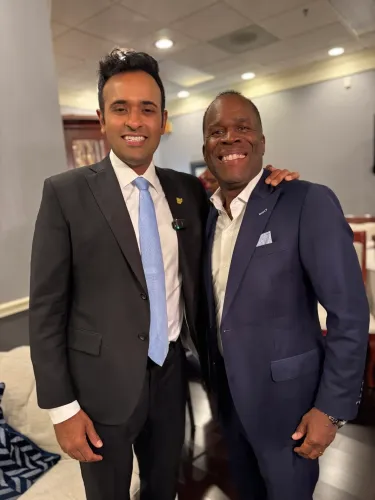
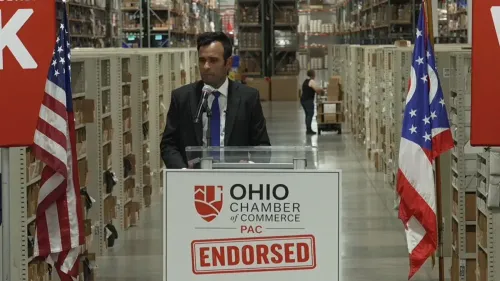
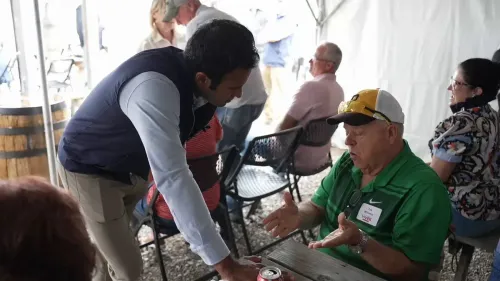
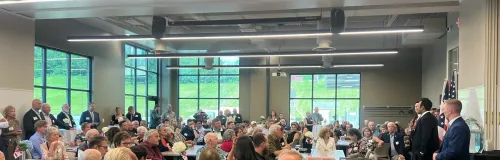
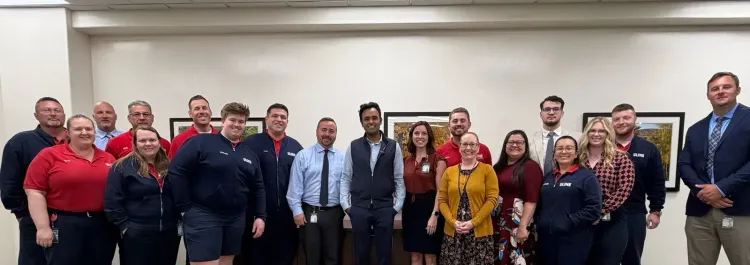
Vivek Ramaswamy visited Uline 's facility in Etna, Ohio on May 20, 2026 , meeting workers directly on the floor.
He pledged to bring 'high-paying jobs back to Ohio in droves' with 'lower costs, bigger paychecks, coming soon.' Uline is a Wisconsin -based packaging and shipping supply company with a significant logistics presence in Licking County, Ohio .
Ramaswamy is founder and executive chairman of Strive Asset Management and a former co-lead of the Department of Government Efficiency (DOGE) advisory effort.
His economic message — centred on deregulation, energy-cost reduction, and tax cuts — mirrors positions from his 2024 Republican presidential campaign.
State-level permitting reforms in Ohio and formal DOGE recommendations on energy and procurement rules are expected in coming months.
Entrepreneur Vivek Ramaswamy visited workers at Uline's facility in Etna, Ohio on Wednesday, May 20, 2026, pledging to bring 'high-paying jobs back to Ohio in droves' and promising lower costs and bigger paychecks for American workers.
Context
Ramaswamy, founder and executive chairman of Strive Asset Management and a former co-lead of the Department of Government Efficiency (DOGE) advisory effort, shared images from the visit on X, writing: 'Great time meeting the workers at Uline in Etna, Ohio today. Lower costs, bigger paychecks, coming soon.'
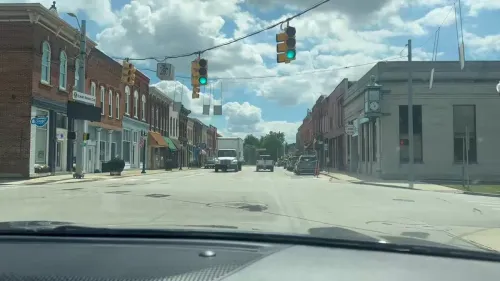
Uline is a Wisconsin-based packaging and shipping supply company that operates distribution facilities across the United States, including a logistics operation in Etna, an unincorporated community in Licking County, Ohio. The company is one of the larger private employers in the region's industrial corridor.
Policy Backdrop
Ramaswamy's messaging echoes positions he championed during his 2024 Republican presidential campaign, when he advocated tax cuts, deregulation, and tariffs as tools to incentivise reshoring of manufacturing and distribution jobs to industrial states like Ohio. Those themes overlap with the mandate of the DOGE advisory effort, which focused on cutting federal spending, reducing regulatory burdens, and streamlining government procurement.
The broader legislative lineage includes the 2017 Tax Cuts and Jobs Act, which contained provisions aimed at encouraging American companies to repatriate overseas operations and capital. Debates over trade policy, supply-chain resilience — sharpened by pandemic-era disruptions — and federal workforce reductions have kept domestic job creation at the centre of Republican economic messaging through the 2020s.
Stakeholders and Impact
Ohio workers in manufacturing, logistics, and distribution stand as the immediate audience for Ramaswamy's pledge. The state has historically been a bellwether for industrial-policy debates, and visits to distribution centres by political figures have become a standard format for signalling commitment to blue-collar employment.
For companies like Uline, policy changes around energy costs, permitting, and corporate taxation directly affect decisions on facility expansion and headcount. Ramaswamy's framing of 'lower costs' points toward regulatory and energy-cost relief as the primary levers, rather than direct government subsidies.
What's Next
Observers will watch for state-level tax or permitting reforms in Ohio and any formal recommendations from the DOGE advisory process on procurement or energy rules in the coming months. Whether Ramaswamy translates this public outreach into concrete policy proposals — through Strive, a future government role, or political channels — will determine how far the 'lower costs, bigger paychecks' promise moves beyond campaign-style messaging into actionable reform.
Point of View
Bigger paychecks' formulation deliberately sidesteps the subsidy debate that has divided Republicans on industrial policy, instead leaning on supply-side orthodoxy. Coming after his DOGE tenure, the visit signals that Ramaswamy is positioning himself as a post-government validator of private-sector job creation rather than a federal programme architect. How that translates into tangible Ohio policy outcomes will be the real test of whether the messaging has legislative weight.
NationPress
20 Sept 2026
Frequently Asked Questions
Why did Vivek Ramaswamy visit Uline in Ohio?
Ramaswamy visited Uline's distribution facility in Etna, Ohio on May 20, 2026, to meet workers and promote his economic message of bringing high-paying jobs back to Ohio through lower costs and deregulation.
What is Uline and where is its Ohio facility?
Uline is a Wisconsin-based packaging and shipping supply company. Its Ohio logistics operation is located in Etna, an unincorporated community in Licking County, and is one of the larger industrial employers in the region.
What is Vivek Ramaswamy's current role?
Ramaswamy is the founder and executive chairman of Strive Asset Management. He previously served as a co-lead of the Department of Government Efficiency (DOGE) advisory effort and ran for the Republican presidential nomination in 2024.
What policies is Ramaswamy proposing for Ohio jobs?
Ramaswamy has advocated tax cuts, deregulation, and reduced energy costs as the primary levers for reshoring manufacturing and distribution jobs to Ohio, consistent with positions he held during his 2024 presidential campaign.
What is the Department of Government Efficiency (DOGE)?
DOGE was an advisory initiative announced during the 2024 campaign cycle, co-led by Ramaswamy, focused on cutting federal spending, reducing regulatory burdens, and streamlining government operations and procurement.