Ramaswamy Targets Ohio Property Tax, Vows Day 1 Probe
Synopsis
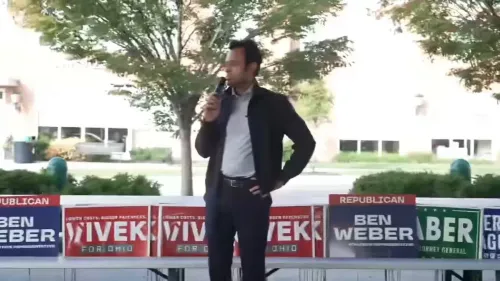
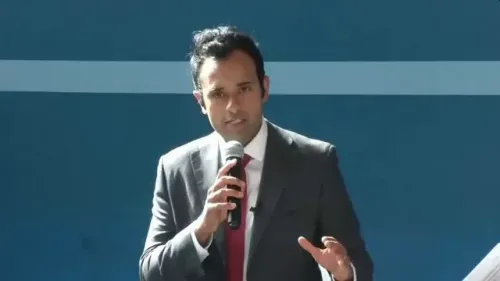
Entrepreneur Vivek Ramaswamy labelled Ohio's property tax burden a moral issue on 30 October 2026, vowing to launch Day 1 investigations into how the money is spent — a move widely read as a signal of an imminent 2026 Ohio gubernatorial run.
Key Takeaways
Entrepreneur Vivek Ramaswamy posted on 30 October 2026 calling Ohio 's property tax burden both an economic and moral crisis.
He pledged to launch formal investigations 'on Day 1' into how property tax revenue is actually being spent.
Ramaswamy argued that outright homeowners should not face 'perpetual and unjustly high payments' to the government.
Ohio's property tax structure — heavily reliant on local levies to fund schools — was found constitutionally inequitable by the Ohio Supreme Court in the DeRolph rulings ( 1997–2003 ).
The post is widely interpreted as a precursor to a formal 2026 Ohio gubernatorial candidacy announcement.
Ramaswamy's framing draws directly on his DOGE-era brand of demanding spending audits before proposing policy fixes.
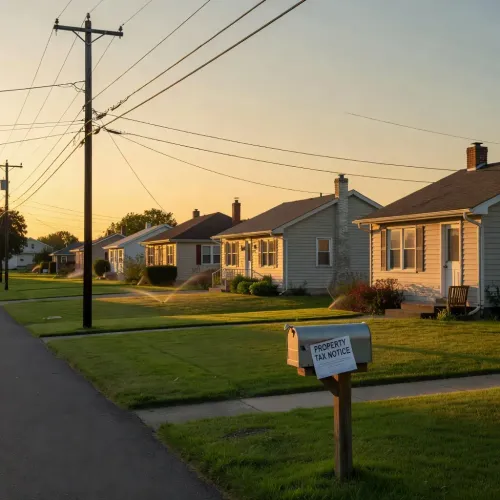
A home you own outright — no mortgage, no lender — and yet the government never stops billing you for it. Entrepreneur Vivek Ramaswamy drew a sharp moral line on Friday, 30 October 2026, calling Ohio's property tax burden not just an economic failure but an ethical one, and pledging to launch formal investigations on 'Day 1' into how that tax money is actually being spent.
Ramaswamy wrote that homeowners 'shouldn't have to make perpetual and unjustly high payments to the government for a home that you own outright,' closing with a demand that 'taxpayers deserve the TRUTH.' The post carries the unmistakable architecture of a campaign promise — a named grievance, a specific timeline, and a populist accountability frame.
Ohio's Property Tax Fault Line
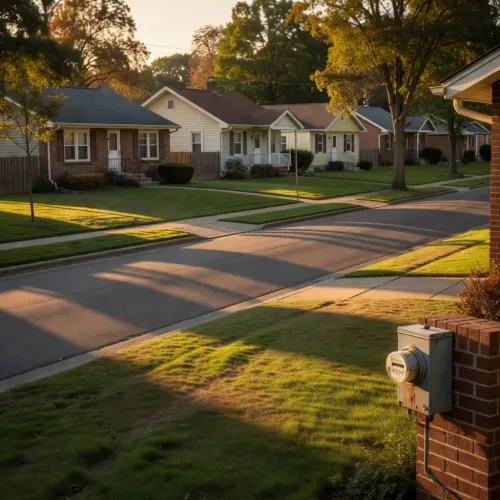
The grievance Ramaswamy is tapping runs deep in Ohio. Property taxes in the state are levied primarily at the local level, with the bulk of revenue flowing to fund public schools and municipal services. That structural reliance has been contested for decades: the Ohio Supreme Court's landmark DeRolph decisions, handed down across 1997 to 2003, repeatedly found that the state's heavy dependence on local property taxes to finance education created unconstitutional inequities between wealthy and poorer districts.
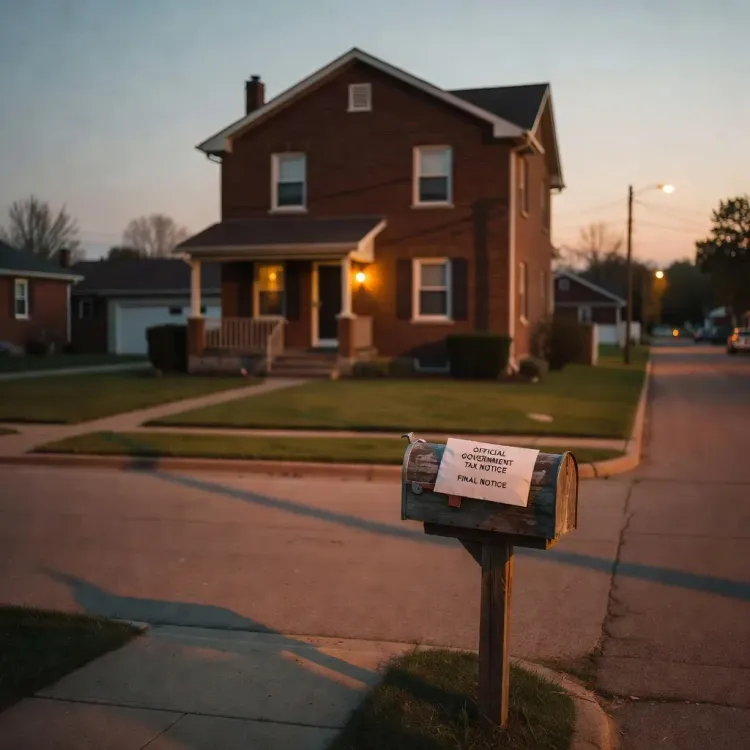
More recently, rapid home-value reassessments driven by the post-pandemic real-estate surge pushed effective tax bills sharply higher for owners who had paid off their mortgages — retirees and long-term residents among the hardest hit. For that cohort, a rising tax bill on a fixed income feels less like civic contribution and more like an eviction notice delivered in slow motion.
The Republican Playbook — and Ramaswamy's Twist
Republican candidates across the Midwest have long framed property taxes as an ongoing injustice, tying reassessment practices and rising millage rates to demands for spending transparency and caps on local government revenue. What distinguishes Ramaswamy's framing is the explicit moral vocabulary — calling the payments 'unjust' — and the DOGE-era instinct to demand an audit before prescribing a fix.
As the former co-lead of the US Department of Government Efficiency (DOGE) advisory effort under the Trump administration, Ramaswamy built a national profile around the idea that government waste, once exposed, becomes politically indefensible. Transplanting that logic to county auditors and school-district budgets in Ohio is a direct continuation of that brand.
What a 'Day 1' Investigation Would Actually Mean
The specifics of the promised probe — its legal authority, scope, and target agencies — remain undefined. What is clear is the political signal: Ramaswamy is positioning himself as the candidate who will shine a forensic light on how local governments spend property tax receipts, a message calibrated for the outright homeowner who feels perpetually taxed on an asset they already earned.
Observers watching for a formal 2026 Ohio gubernatorial candidacy announcement from Ramaswamy will read this post as one of the clearest indications yet that a run is imminent — and that property tax relief will be its opening argument.
When a paid-off home still feels like a monthly ransom note, that anger has a long shelf life. Ramaswamy is betting it lasts through election day.
Point of View
Frame it as a transparency failure rather than a policy disagreement, and promise a forensic audit as the first act of power. By moralising the property tax debate — moving from 'rates are too high' to 'this is unjust' — he attempts to shift the terrain from technocratic negotiation to a referendum on government accountability. The political calculus is shrewd: outright homeowners on fixed incomes are a large, organised, and emotionally motivated constituency in Ohio. Whether his 'Day 1 investigation' promise survives contact with the institutional reality of county-level tax administration is the question his opponents will press hard.
NationPress
30 Oct 2026
Frequently Asked Questions
What is Vivek Ramaswamy's position on Ohio property taxes?
Ramaswamy has called Ohio's property taxes a moral crisis, arguing that outright homeowners should not face perpetual high payments to the government, and has pledged to investigate how that tax revenue is spent on his first day in office.
Is Vivek Ramaswamy running for Ohio governor in 2026?
Ramaswamy has not made a formal announcement, but his targeted policy posts on Ohio-specific issues — including this property tax statement — are widely read as indicators of an imminent 2026 gubernatorial run.
Why are property taxes controversial in Ohio?
Ohio relies heavily on local property taxes to fund public schools and services. The Ohio Supreme Court found this structure created unconstitutional inequities in the DeRolph decisions between 1997 and 2003, and post-pandemic home reassessments have pushed bills sharply higher for long-term owners.
What did Vivek Ramaswamy do at DOGE?
Ramaswamy served as co-lead of the US Department of Government Efficiency advisory effort under the Trump administration, building a national profile around identifying government waste through audits and public accountability exercises.
What does a 'Day 1 investigation' into property taxes mean?
Ramaswamy has not specified the legal scope or target agencies of the promised probe, but the phrase signals his intent to immediately scrutinise how local governments and school districts spend property tax receipts if he holds executive authority.