Raytheon wins $20.7 billion AMRAAM contract to boost US, allied missile stocks

Synopsis
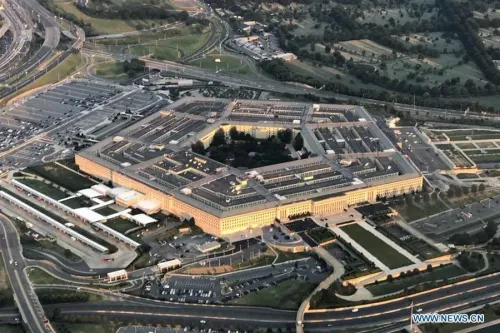
The Pentagon has backed the largest AMRAAM production deal in recent memory — up to $20.7 billion over five years — as Western missile inventories remain under pressure. With 44 countries fielding the missile and NASAMS deployments active in conflict zones, this contract is less a routine procurement and more a strategic bet on sustained allied deterrence.
Key Takeaways
The US Department of Defense awarded Raytheon a contract worth up to $20.7 billion on 25 September 2026 to produce AMRAAM missiles.
The contract runs for five years with options for two more; the $20.7 billion is the maximum stated value, not funds already spent.
The deal covers production for the US Air Force , US Navy , and allies buying through the Foreign Military Sales programme.
AMRAAM production in 2025 was nearly twice that of 2024 , according to parent company RTX .
The missile is fielded by 44 countries across 14 platforms , including ground-based NASAMS air defence systems.
RTX said hundreds of small and mid-sized US suppliers are involved, with overseas production partnerships also being explored.
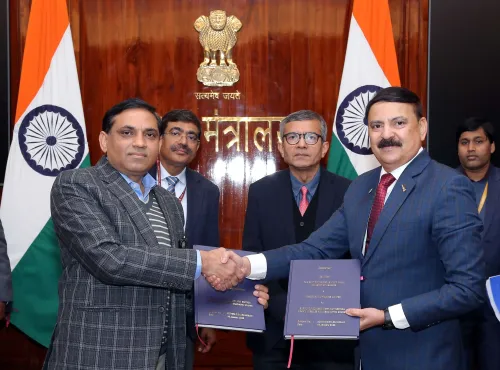
The US Department of Defense has awarded Raytheon a contract worth up to $20.7 billion to manufacture Advanced Medium-Range Air-to-Air Missiles (AMRAAM) for American armed forces and allied nations, in what officials describe as a landmark step toward expanding domestic weapons production capacity. The contract was awarded on 25 September 2026 and publicly announced three days later.
Key Details of the Contract
The agreement runs for five years, with options to extend by two additional years. The $20.7 billion figure represents the maximum stated value of the contract — not funds already disbursed. The deal is structured as a joint investment involving the US Air Force, the US Navy, and allied countries purchasing missiles through the Foreign Military Sales (FMS) programme.
Raytheon noted the contract follows an earlier agreement supporting annual production of at least 1,900 AMRAAMs — a baseline production target. The company did not specify the total number of missiles to be delivered under the new award, nor did it provide a delivery timetable.
What the Pentagon Said
Michael P. Duffey, the Under Secretary of Defense for Acquisition and Sustainment, said the contract is part of a broader industry-wide push. 'We are working across the defense industry to ramp production and build the Arsenal of Freedom,' Duffey said. He added that the award 'strengthens our ability to equip the Joint Force and our allies with a proven air-to-air capability, ensuring our warfighters maintain a decisive advantage.'
The Pentagon also acknowledged Congress for providing multiyear procurement authority for AMRAAM, and indicated that further authority and additional funding would be sought to give manufacturers greater planning certainty — though specific figures were not disclosed.
Production Ramp-Up and Workforce Expansion
According to RTX, Raytheon's parent company, AMRAAM production in 2025 was nearly twice that of 2024. The Pentagon separately noted that production had 'nearly doubled' compared with previous levels. However, neither the department nor the company stated the absolute number of missiles produced in either year.
Raytheon President Phil Jasper said the company is scaling up on multiple fronts. 'We continue to make significant investments in our workforce, technology, supply chain and facilities to rapidly scale production capacity and meet surging demand from the U.S. Air Force, Navy and our international partners,' Jasper said. RTX added that hundreds of small and mid-sized US suppliers are involved in the expansion, and that the company is exploring overseas production partnerships, though no country or partner was named.
Why AMRAAM Matters Beyond Air Combat
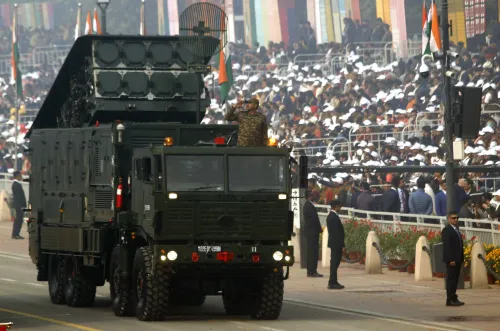
AMRAAM is currently fielded by 44 countries and operates across 14 platforms. Beyond its primary air-to-air combat role, the missile also serves as an interceptor within the ground-based NASAMS air defence system — a configuration that has become notably relevant given ongoing conflict zones where NASAMS batteries have been deployed by allied nations. The US Navy describes AMRAAM as a radar-guided, solid-fuel missile; Raytheon says its newer generation features updated guidance systems and software capabilities.
Broader Strategic Context
This contract comes amid sustained global pressure on Western defence manufacturers to replenish stockpiles drawn down by military aid programmes. The scale of the award — and the explicit reference to the 'Arsenal of Freedom' framing — signals that the Pentagon is treating AMRAAM production as a long-term strategic priority rather than a reactive procurement exercise. Analysts have repeatedly noted that Western air-to-air missile inventories have tightened considerably since 2022, making production velocity a front-line issue for allied deterrence planning.
Point of View
Not just marketing — it signals that the Pentagon views AMRAAM production velocity as a deterrence variable, not merely a procurement line item. What the announcement does not resolve is the transparency deficit: neither the department nor Raytheon disclosed absolute production volumes or delivery schedules, making independent assessment of readiness timelines impossible. The NASAMS angle is underreported; as the ground-based interceptor role grows in active conflict zones, air-to-air missile production becomes a direct factor in frontline allied defence — a shift that deserves more scrutiny than a contract notice typically receives.
NationPress
29 Sept 2026
Frequently Asked Questions
What is the Raytheon AMRAAM contract awarded by the US Pentagon?
It is a contract worth up to $20.7 billion awarded to Raytheon on 25 September 2026 for the production of Advanced Medium-Range Air-to-Air Missiles (AMRAAM) for US armed forces and allied nations. The deal runs for five years with options to extend by two more years.
Which countries benefit from this AMRAAM production contract?
The contract covers US Air Force and Navy requirements, as well as allied nations purchasing through the Foreign Military Sales programme. AMRAAM is currently fielded by 44 countries across 14 platforms.
How much has AMRAAM production increased?
According to RTX, Raytheon's parent company, production in 2025 was nearly twice that of 2024. The Pentagon separately confirmed production had 'nearly doubled' from previous levels, though neither party disclosed absolute unit figures.
What is NASAMS and why does it matter for this contract?
NASAMS is a ground-based air defence system that uses AMRAAM missiles as interceptors. Because AMRAAM serves both air-to-air combat and ground-based interception roles, the pace of production affects multiple layers of US and allied defence capability, including in active conflict zones.
What did Raytheon's president say about the contract?
Raytheon President Phil Jasper said the company is expanding its workforce, supply chain, and facilities to meet demand. He stated the company is making 'significant investments' to 'rapidly scale production capacity' for the US Air Force, Navy, and international partners.