Seven rights groups urge EU lawmakers to press China on human rights
Synopsis
Seven of the world's leading human rights organisations have jointly written to EU lawmakers ahead of a China visit, demanding they stop treating rights as a diplomatic afterthought. The letter names forced labour, arbitrary detention, and transnational repression — including within Europe — as live concerns that Brussels has repeatedly deprioritised in favour of trade and security.
Key Takeaways
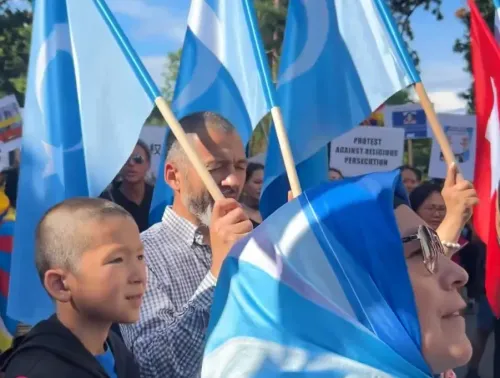
Seven organisations — including Amnesty International , Human Rights Watch , and the World Uyghur Congress — jointly wrote to MEPs ahead of their visit to China .
The letter alleges Chinese authorities suppress dissent, surveil activists, and prosecute individuals under 'vague' national security laws.
Groups including feminists and LGBTI communities reportedly face tighter restrictions and harsher punishment.
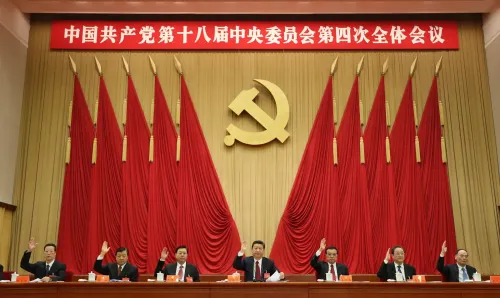
Since President Xi Jinping took power in 2012 , the signatories allege a 'wholesale assault' on human rights including forced labour, arbitrary detention, and torture.
The organisations argue the EU consistently deprioritises human rights in its China engagement relative to trade and security concerns.
Seven major international human rights organisations have written to Members of the European Parliament (MEPs) ahead of their upcoming visit to China, urging them to make human rights violations a central agenda item in their engagement with Chinese counterparts. The letter, sent from Brussels, calls on EU lawmakers to move beyond symbolic gestures and take concrete action on what the signatories describe as a deepening rights crisis across China.
Who Signed the Letter
The joint letter was signed by Amnesty International, Chinese Human Rights Defenders, Front Line Defenders, Human Rights Watch, International Campaign for Tibet, International Federation for Human Rights (FIDH), and the World Uyghur Congress. Together, these organisations represent some of the most prominent voices in global human rights advocacy.
Key Allegations Against Chinese Authorities
The rights groups alleged that Chinese authorities exert what they described as 'unrelenting control' over information and public discourse, suppressing dissent and peaceful assembly, surveilling rights activists and civil society actors, and prosecuting individuals under 'vague' national security provisions.
Notably, the letter highlighted that groups which previously enjoyed limited operational space — including feminists and members of the LGBTI community — are now facing tighter restrictions and harsher punishment. The organisations further accused Beijing of disregarding many of its international human rights obligations while simultaneously seeking to redefine global human rights standards and undermine key international institutions.
The Broader Pattern Since 2012
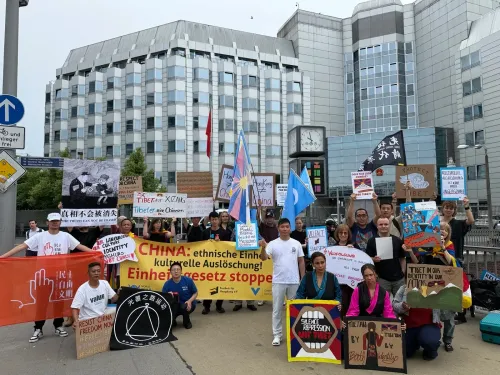
According to the signatories, since President Xi Jinping assumed power in 2012, Chinese authorities have launched what they termed a 'wholesale assault' on human rights. The alleged abuses cited include widespread arbitrary detention, forced assimilation, forced labour, torture, and transnational repression extending beyond China's borders — including, they claim, within Europe itself.
The organisations further alleged that these abuses have continued with impunity, with only a handful of Chinese officials held accountable for serious violations. This is not the first time such concerns have been raised with European institutions; rights groups have repeatedly flagged what they see as a pattern of EU-China engagement that sidelines human rights in favour of trade and security priorities.
What the Rights Bodies Are Asking MEPs to Do
The letter urged MEPs to reaffirm the European Parliament's 'unequivocal commitment to the universality and indivisibility of human rights' and to directly engage their Chinese counterparts on documented violations. The organisations argued that human rights considerations must be placed on equal footing with security, trade, and other areas of EU external policy.
'Yet we repeatedly see the human rights track in EU-China relations deprioritised and deprived of the same determination dedicated to security, trade and other areas of EU external action,' the letter stated.
The EU's Dual Position on China
The rights bodies acknowledged the EU's own characterisation of China as simultaneously a cooperation partner, an economic competitor, and a systemic rival. They argued, however, that this complexity makes it more — not less — important for European institutions to factor in China's human rights record and its alleged efforts to undermine global norms and the international bodies designed to uphold them.
Whether MEPs act on the letter's recommendations will be closely watched by civil society groups and human rights advocates ahead of the parliamentary delegation's visit.
Point of View
But never enough to produce accountability. The EU's own tripartite framing of China — partner, competitor, rival — has given diplomats a convenient excuse to compartmentalise rights concerns away from the conversations that actually matter. With the MEP visit approaching, the real test is whether European lawmakers treat this letter as a briefing note or a mandate.
NationPress
7 Oct 2026
Frequently Asked Questions
Why did human rights groups write to EU lawmakers about China?
Seven major human rights organisations wrote to Members of the European Parliament ahead of their upcoming visit to China, urging them to raise documented human rights violations directly with Chinese counterparts. The groups argue that EU-China engagement has consistently deprioritised rights concerns in favour of trade and security interests.
Which organisations signed the letter to the European Parliament?
The letter was signed by Amnesty International, Chinese Human Rights Defenders, Front Line Defenders, Human Rights Watch, International Campaign for Tibet, the International Federation for Human Rights (FIDH), and the World Uyghur Congress.
What specific human rights violations does the letter highlight?
The letter alleges arbitrary detention, forced assimilation, forced labour, torture, surveillance of activists, suppression of dissent, and prosecution under vague national security laws. It also flags tightening restrictions on feminists and LGBTI communities, and claims Chinese transnational repression extends into Europe.
How does the EU currently view its relationship with China?
The EU officially characterises China as simultaneously a cooperation partner, an economic competitor, and a systemic rival. The rights organisations argue this framing must also account for China's human rights record and its alleged efforts to undermine international human rights institutions.
What are the rights groups asking MEPs to do during the China visit?
They are asking MEPs to reaffirm the European Parliament's commitment to the universality and indivisibility of human rights, and to engage Chinese counterparts directly on serious, documented violations — rather than limiting themselves to abstract expressions of concern.