Ro Khanna open to 2028 US presidential run, calls it a family decision
Synopsis
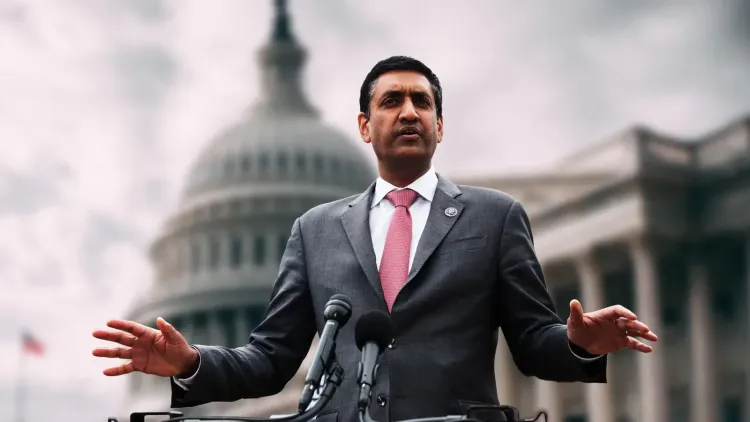
Indian-American Congressman Ro Khanna has stopped just short of declaring a 2028 presidential run, framing it as a 'family decision' while laying out a full economic and foreign-policy vision at the Asia Society. With roughly 20 Democrats reportedly weighing the contest, Khanna's Silicon Valley perch, Gandhi-movement family heritage, and Obama-era roots make him an unusually distinctive potential candidate in what is shaping up to be a crowded field.
Key Takeaways
Ro Khanna , Indian-American Congressman from Silicon Valley , left open a 2028 US presidential run on 27 September 2026 .
He called it a 'family decision' and said he would be 'very involved in the conversation' regardless of whether he runs or backs another candidate.
Khanna estimated roughly 20 Democrats are considering the race, with 10 to 12 likely to formally enter.
He argued Democrats need an economic programme targeting former industrial communities, and rejected blaming immigrants for factory closures.
His grandfather was jailed by the British in the 1930s–1940s for participation in Mahatma Gandhi's independence movement — a family history he cited as the source of his political conviction.
The next US presidential election is scheduled for November 2028 .
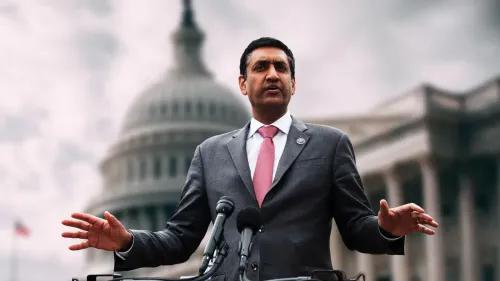
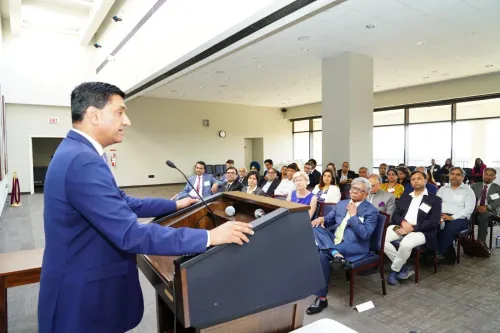
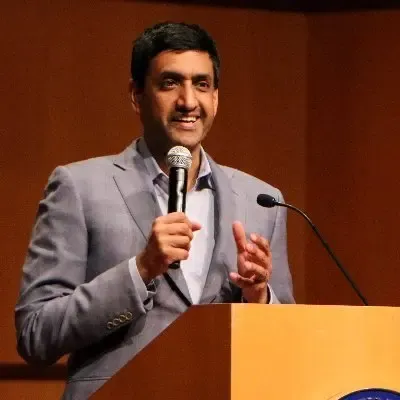
Indian-American Congressman Ro Khanna has left open the possibility of launching a bid for the US presidency in 2028, saying the decision would ultimately rest with his family while affirming his intention to be deeply involved in shaping the Democratic Party's direction. Khanna made the remarks on 27 September 2026 during a wide-ranging discussion at the Asia Society in New York, in conversation with former Australian Prime Minister Kevin Rudd.
What Khanna Said About His Candidacy
When Rudd pressed him directly on whether he was considering a White House run, Khanna acknowledged that roughly 20 Democrats were weighing the contest and that perhaps 10 or 12 would ultimately enter the race. 'It's a family decision,' he said. 'Whether I decide to run or support someone who runs, I'm gonna be very involved in the conversation.' He cautioned that running in a crowded field meant most candidates were certain to lose, framing a potential campaign as a calculated risk rather than an impulsive ambition.
The Economic Argument at the Heart of His Pitch
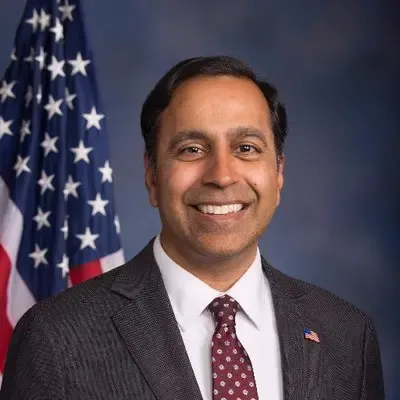
Khanna argued that Democrats would struggle in 2028 without a credible economic programme targeted at communities that had lost industrial jobs. He said voters needed to see a tangible future for themselves and their children before appeals to national ideals would carry force. He connected that argument to the immigration debate, contending that politicians had wrongly blamed immigrants for factory closures and failed economic policies. A sounder response, he said, would be to attract investment and jobs to regions that felt excluded from the gains of the new technology economy. Khanna represents a California district encompassing part of Silicon Valley, giving him credibility on both the technology and the workers-left-behind sides of that argument.
Family History and Political Roots
Khanna traced his political instincts to a family history of resistance under colonial rule. His grandfather, he said, was jailed by the British during the 1930s and 1940s for participation in Mahatma Gandhi's independence movement. Born in Philadelphia to parents who had immigrated from India, Khanna said he developed an early sense that politics could change lives. As a student in Chicago, he knocked on doors for a state Senate candidate who would later become President Barack Obama — a connection he cited to illustrate the long odds that can accompany early political bets. He advised young people hoping to work for a future president to identify a promising candidate at the local or state level today, rather than waiting for fame to arrive.
Foreign Policy, AI and the 'Diverse Democracy' Frame
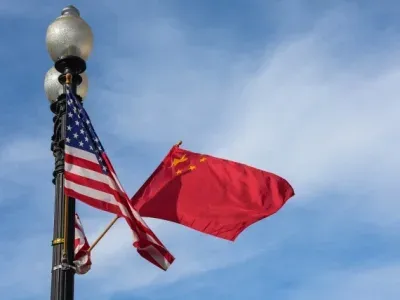
Beyond economic policy, Khanna called for a US foreign policy capable of rebuilding trust with other nations, a stronger role for workers in decisions surrounding artificial intelligence, and a reaffirmation of America's identity as a country strengthened by people of different histories. He described the 2028 election as a choice between embracing a diverse society and turning inward — language that previews how he might position himself if he enters the race. Much of the Asia Society discussion also covered US-China relations, immigration policy, and the broader direction of American technology governance.
The Road Ahead
The next US presidential election is scheduled for November 2028. No formal announcement has been made, and Khanna's remarks stopped well short of a declaration of candidacy. Nonetheless, his decision to speak publicly about a potential run — and to lay out a detailed economic and foreign-policy vision — signals that he is actively positioning himself ahead of what is expected to be a wide-open Democratic primary. How the party resolves its internal debate over economic populism versus cultural liberalism is likely to define which type of candidate ultimately prevails.
Point of View
But unmistakably a positioning exercise. His economic-populism-meets-Silicon-Valley framing attempts to bridge two wings of the Democratic Party that have been at war since 2016, and his Indian heritage and Gandhi-movement family story give him a narrative few American politicians can match. The harder question is whether a congressman from one of America's wealthiest districts can credibly speak for the deindustrialised communities he says Democrats must win back. His answer — bring investment to places left behind, rather than blame immigration — is intellectually coherent but politically untested at the national level. If the 2028 Democratic primary shapes up as a referendum on economic versus cultural identity, Khanna's entry could scramble the field in ways that benefit neither the progressive nor the centrist establishment.
NationPress
27 Sept 2026
Frequently Asked Questions
Is Ro Khanna running for US president in 2028?
Ro Khanna has not formally declared his candidacy but has left open the possibility of a 2028 presidential run, describing it as 'a family decision.' He said he intends to be 'very involved in the conversation' whether he runs himself or supports another candidate.
How many Democrats are expected to run for president in 2028?
According to Khanna, roughly 20 Democrats are currently considering a 2028 presidential bid, with around 10 to 12 expected to formally enter the race. No other candidates have been named in his remarks.
What is Ro Khanna's main policy message for 2028?
Khanna argues that Democrats must offer a concrete economic programme for communities that lost industrial jobs, rejecting the narrative that immigrants are responsible for factory closures. He also called for workers to have a stronger voice in decisions about artificial intelligence and for a US foreign policy that rebuilds trust with other nations.
What is Ro Khanna's connection to India?
Khanna was born in Philadelphia to Indian immigrant parents. His grandfather was reportedly jailed by British colonial authorities in the 1930s and 1940s for participating in Mahatma Gandhi's independence movement, a family history Khanna has cited as formative to his political worldview.