Congresswoman Deborah Ross champions deeper India-US people-to-people ties
Synopsis
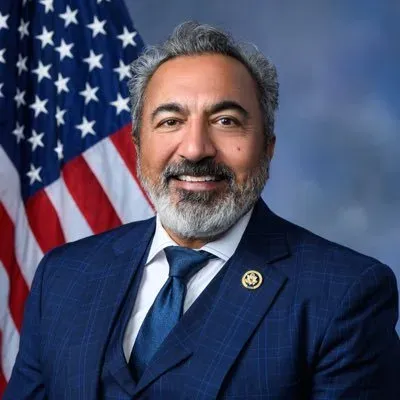
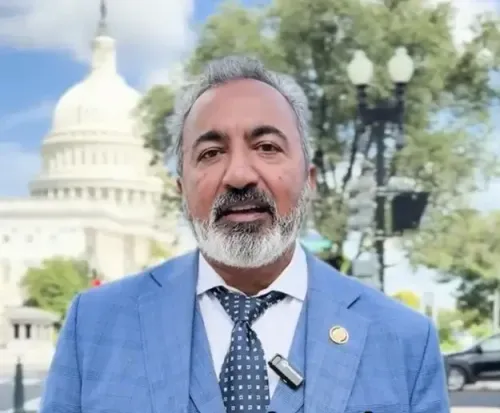
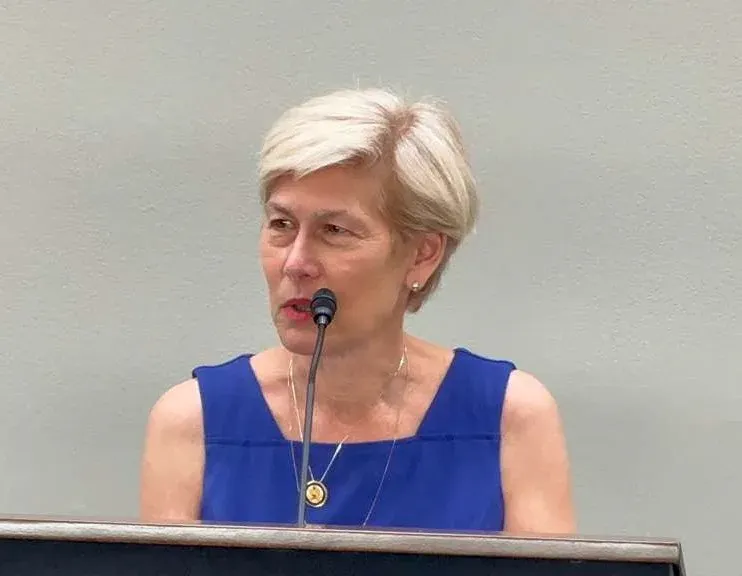
At the Capitol Hill Summit 2026, Congresswoman Deborah Ross made a pointed case for deeper India-US ties — defending Indian students facing visa restrictions, spotlighting Morrisville’s 40% South Asian population and cricket pitch, and invoking a formative trip to India with then-AG Kamala Harris. Her remarks signal that the pro-India constituency in Congress runs deeper than the Indian-American caucus alone.
Key Takeaways
Congresswoman Deborah Ross spoke at the Capitol Hill Summit 2026 organised by the US-India Friendship Council in Washington on 19 May 2026 .
Ross called for more Americans to travel and study in India , arguing direct exposure is the strongest foundation for bilateral goodwill.
Indian students form the largest group of international students in the United States; Ross criticised growing restrictions on this cohort.
Morrisville , in her district, is 40 per cent South Asian and hosts a regulation cricket pitch, reflecting deep diaspora integration.
Ross cited bipartisan work with Congressman Ro Khanna to address tariff and visa concerns affecting India.
She has represented North Carolina’s 2nd Congressional District since 2021 and sits on the House Judiciary Committee and the Committee on Science, Space and Technology .
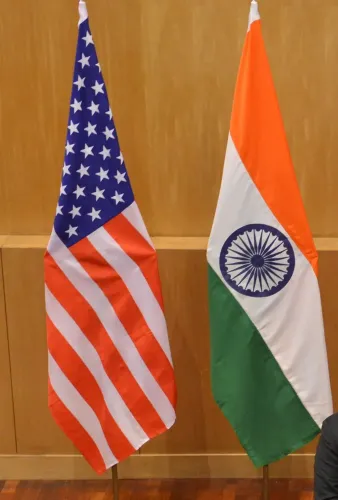
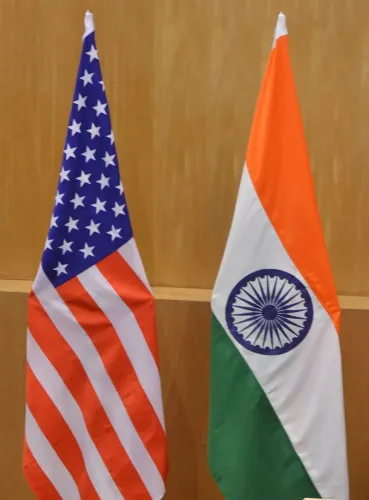
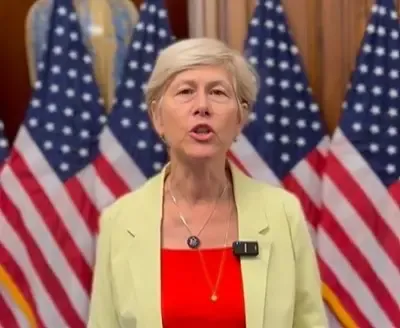
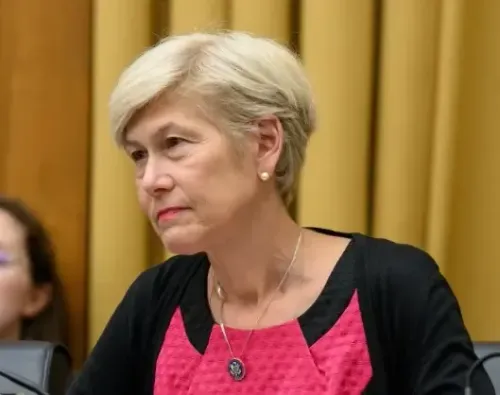
Congresswoman Deborah Ross on 19 May 2026 called for significantly expanded educational, technological, and cultural exchanges between India and the United States, asserting that stronger people-to-people ties were indispensable to the future of the bilateral relationship. Speaking at the Capitol Hill Summit 2026 organised by the US-India Friendship Council in Washington, Ross urged more Americans to travel and study in India to better grasp the country's growing global stature.
Ross's Personal Connection with India
The congresswoman, a Democrat representing North Carolina's 2nd Congressional District, traced her own bond with India to a visit she made as a young legislator alongside then-California Attorney General Kamala Harris. “I just could not stop thinking about what a wonderful experience it was,” she said. That early encounter, she noted, shaped her conviction that direct exposure is the most powerful driver of goodwill. “The most important thing is that more Americans go to India, because once you go, as you’ve heard earlier, you have to love the country,” Ross told the summit.
Democracy, Strategic Partnership, and Shared Values
Ross described India and the United States as sharing a “foundational commitment to democracy and freedom,” framing the bilateral relationship as among the most consequential in the world. “The partnership is one of the most important in the world, and it must succeed for the future of democracy and the future of progress,” she said. This comes amid a broader US policy push to deepen ties with India as a counterweight in the Indo-Pacific, giving Ross’s remarks added strategic weight beyond the usual diplomatic pleasantries.
Indian Students and Academic Exchange Under Pressure
Ross drew particular attention to the role of Indian students in American higher education, noting that Indian students form the largest group of international students in the United States. She was pointed in her criticism of growing restrictions affecting this cohort. “These bright students should be able to continue their education and their research here,” she said, calling academic exchange “one of the foundations of our partnership.” Her remarks arrive at a moment when visa processing delays and policy uncertainty have unsettled Indian student communities across US campuses.
Indian Americans in North Carolina's Research Triangle
Ross highlighted the outsized contribution of Indian Americans to North Carolina’s Research Triangle region, particularly in science, technology, and higher education. “Indian Americans have made important contributions not just to North Carolina and the Research Triangle, but their families and their businesses are part of the DNA of our state and our country,” she said. She noted that Morrisville, a town within her district, is 40 per cent South Asian and even hosts a regulation cricket pitch — a detail that drew attention as a marker of deep cultural integration.
Bipartisan Push on Tariffs and Visa Issues
On trade, Ross referenced bipartisan congressional efforts to resolve tariff and visa concerns affecting India, specifically citing collaboration with Congressman Ro Khanna. “I’ve worked with Ro and others to lead efforts to end illegal tariffs on India,” she said. She praised Khanna as a coalition builder and credited joint travel to cities including Mumbai and Hyderabad with deepening her appreciation for India’s diversity and dynamism. Ross has served on the House Judiciary Committee and the Committee on Science, Space and Technology since entering Congress in 2021. With the India-US relationship navigating complex terrain on trade and immigration, her advocacy signals that Capitol Hill’s pro-India constituency extends well beyond the Indian-American caucus.
Point of View
One that could matter when trade negotiations with New Delhi resume. Mainstream coverage tends to treat such summits as ceremonial; the policy signals embedded here deserve closer attention.
NationPress
9 Oct 2026
Frequently Asked Questions
What did Congresswoman Deborah Ross say at the Capitol Hill Summit 2026?
Ross called for deeper educational, technological, and cultural exchanges between India and the United States, defended the rights of Indian students to continue studying in America, and urged more Americans to visit India. She described the India-US partnership as one of the most important in the world.
Why did Ross highlight Indian students in the United States?
Ross noted that Indian students form the largest group of international students in the US and criticised growing restrictions affecting them, arguing that academic exchange is a core foundation of the India-US relationship. Her remarks come amid wider policy uncertainty around student visas.
What is the US-India Friendship Council Capitol Hill Summit?
The Capitol Hill Summit is an annual gathering organised by the US-India Friendship Council that brings together members of Congress, Indian diaspora leaders, and bilateral stakeholders to discuss the India-US relationship. The 2026 edition was held in Washington.
How is North Carolina connected to the Indian diaspora?
North Carolina’s Research Triangle is a major hub for Indian Americans in science, technology, and higher education. Morrisville, a town in Ross’s district, is 40 per cent South Asian and hosts a regulation cricket pitch, reflecting the depth of diaspora integration in the state.
Who is Ro Khanna and why did Ross mention him?
Ro Khanna is a Democratic Congressman and prominent voice on India-US relations in the House. Ross cited her collaboration with him on bipartisan efforts to end what she described as illegal tariffs on India, and credited joint travel to Mumbai and Hyderabad with sharpening her understanding of the country.