Rubio warns Venezuela faces civil war if US-backed transition fails
Synopsis
Rubio's blunt warning — civil war or decades more repression — reframes the Venezuela transition as a last-chance gamble. With the TSJ and CNE overhaul on a US-mandated clock, sanctions waivers as the carrot, and Alex Saab's cooperation as proof of traction, Washington is betting that conditional engagement can succeed where two decades of pressure failed.
Key Takeaways
Secretary of State Marco Rubio warned on 27 October 2026 that Venezuela faces either civil war or prolonged repression if the US-backed democratic transition fails.
Washington has set agreed timelines for replacing Venezuela's Supreme Court (TSJ) and National Electoral Council (CNE) ; Rubio said all deadlines had been met so far.
The US retains significant leverage through sanctions and Treasury-issued waivers on oil-related transactions , which could be revoked for non-compliance.
Opposition leader María Corina Machado reportedly returned to Venezuela without incident after Washington secured assurances from interim authorities.
Between 6 million and 7 million Venezuelans have been displaced; Rubio said a successful transition could enable their return.
Rubio cited the guilty plea and cooperation of Alex Saab and reduced Iranian and Cuban influence as evidence of transition progress.
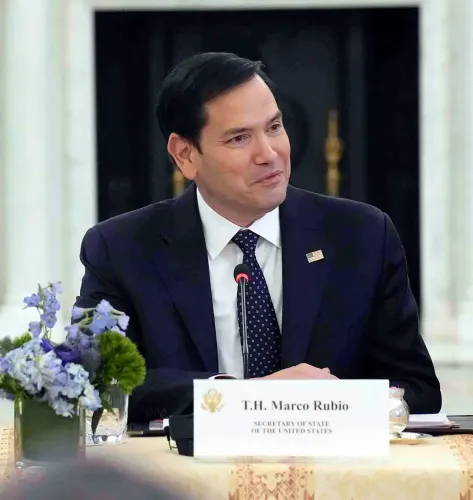
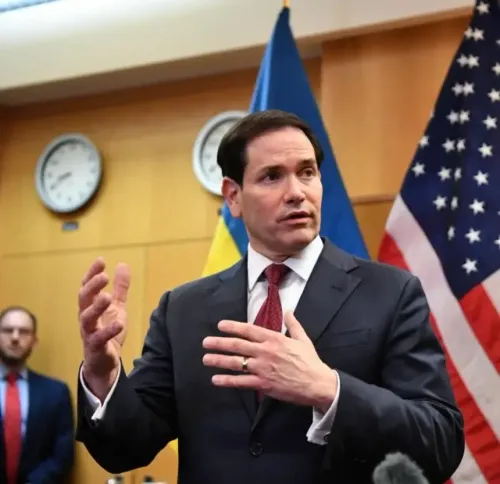
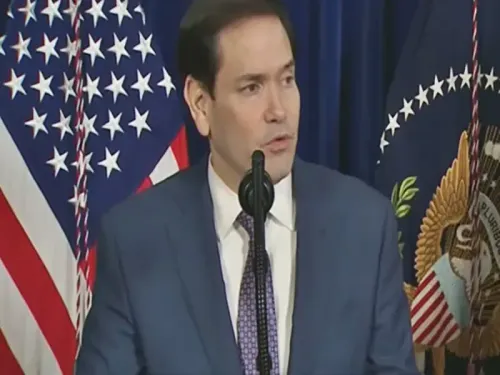
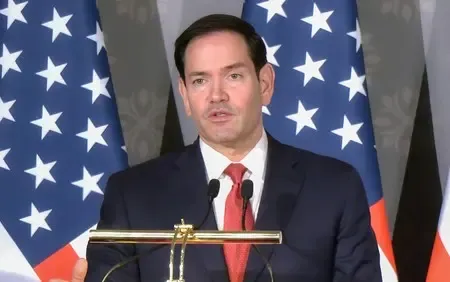
US Secretary of State Marco Rubio on Monday, 27 October 2026 warned that Venezuela risks descending into civil war or reverting to two decades of political repression if the ongoing US-backed democratic transition collapses, making clear that Washington will not permit the country's interim leadership to indefinitely postpone elections.
The Core Warning
Speaking to reporters during a teleconference, Rubio laid out a stark binary for Venezuela's future. "If this process doesn't work, then the alternative is going to be worse," he said. "The alternative is going to be either violence and armed conflict within the country, or back to the way things have been for the last 20 years, which have not been good for the people of Venezuela."
The remarks came as the Trump administration sought to consolidate political and economic changes following the 3 January operation that led to the arrest of former president Nicolás Maduro. Rubio insisted that Washington's backing for Venezuela's interim authorities was strictly conditional on measurable progress toward democratic governance.
Timelines and Institutional Reforms
Rubio said the United States had established agreed timelines with the interim administration and that those benchmarks were being met despite disruptions caused by a recent earthquake. "We have timelines that are agreed to, and so far, they've met every one of the timelines," he said, though he did not announce a specific election date.
The required reforms include replacing the country's Supreme Court (TSJ) and the National Electoral Council (CNE) — both inherited from the Maduro era. Rubio argued that elections conducted under those institutions could not produce a legitimate democratic outcome. "How can you have a legitimate election in Venezuela when the Electoral Council is controlled by people loyal to one side, with the power to decide that certain so-and-so can't run for election, so they can't be on the ballot?" he asked.
Sanctions as Leverage
Rubio acknowledged that US sanctions remain Washington's principal tool of influence over Caracas. Certain economic activities — including oil-related transactions — are currently permitted through waivers and general licences issued by the US Treasury, concessions he indicated could be revoked if the interim government failed to honour commitments.
"The United States has significant influence over the direction that these talks go and the results that we get from them," Rubio said, dismissing suggestions that Venezuela's current leadership could outlast the Trump administration's patience. "No one's going to wait us out here," he added.
Rubio also rejected claims that Washington had offered immunity from prosecution to members of the interim leadership, stating flatly: "No, there's definitely no talk about prosecutions or anything of this nature." He cited the extradition and guilty plea of Alex Saab — a Maduro-era figure now cooperating with US justice — as evidence of the transition's tangible progress, alongside a reported reduction of Iranian and Cuban influence inside Venezuela.
Machado's Return and the Opposition
Rubio addressed the return of prominent opposition leader María Corina Machado to Venezuela, saying Washington had communicated with interim authorities several weeks earlier to secure assurances that she could re-enter without interference. "Our expectation is that she's a Venezuelan, she belongs in her country," he said. He indicated that Machado had arrived the previous day without incident.
Notably, Rubio acknowledged that Machado had publicly criticised aspects of Washington's oil arrangements with Caracas but argued that commercial disagreements should not derail the broader democratic transition.
Regional Stakes and the Road Ahead
Venezuela's prolonged crisis — marked by economic collapse, authoritarian governance, and mass displacement — has reverberated across South America and contributed to significant Venezuelan migration flows into the United States. Rubio cited figures of between 6 million and 7 million Venezuelans forced to leave their homeland, arguing that a credible political settlement and economic recovery could enable their return.
He contrasted the current approach with what he described as flawed earlier negotiations under the Biden administration, which he criticised for offering concessions before institutional reforms were secured. Rubio framed the ongoing process as Venezuela's closest opportunity yet to achieve a peaceful democratic outcome — and warned that failure would condemn the country to another prolonged cycle of sanctions, confrontation, and instability. With firm timelines in place and sanctions leverage intact, Washington appears prepared to apply sustained pressure until the transition delivers verifiable results.
Point of View
But the absence of an election date after months of process is a red flag that mainstream coverage is underplaying. Washington's credibility now rests on whether 'timelines met' translates into an election that Machado or any opposition candidate can actually contest and win.
NationPress
27 Oct 2026
Frequently Asked Questions
What did Marco Rubio warn about Venezuela?
Rubio warned on 27 October 2026 that Venezuela could descend into civil war or revert to two decades of political repression if the US-backed democratic transition fails. He made the remarks during a teleconference with reporters, stressing that Washington would not allow the interim leadership to indefinitely delay elections.
What institutional reforms is the US demanding from Venezuela?
Washington is requiring Venezuela's interim authorities to replace the Supreme Court (TSJ) and the National Electoral Council (CNE), both inherited from the Maduro era. Rubio argued that elections held under those bodies could not produce a legitimate democratic outcome.
How is the US maintaining pressure on Venezuela's interim government?
The United States retains extensive sanctions on Venezuela and is using targeted waivers — including licences permitting oil-related transactions — as economic incentives for compliance. Rubio made clear those concessions could be withdrawn if the interim government failed to honour agreed timelines.
What is the status of opposition leader María Corina Machado?
Rubio said Washington had secured assurances from Venezuela's interim authorities that Machado could return to the country without interference. He indicated she had arrived in Venezuela the day before his remarks without encountering problems.
How many Venezuelans have fled the country, according to Rubio?
Rubio cited figures of between 6 million and 7 million Venezuelans who have been forced to leave their homeland. He argued that a stable political system and economic recovery under a democratic government could encourage their return.