What is the US Strategy for a Post-Maduro Venezuela?
Synopsis
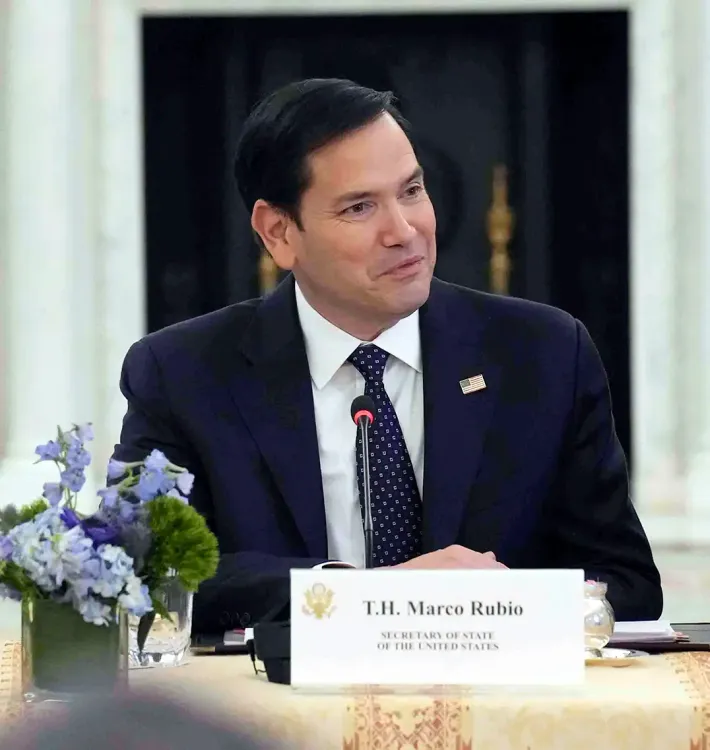
US Secretary of State Marco Rubio has laid out a complex roadmap for Venezuela's future, emphasizing stabilization and democratic transition. Amidst challenges, the US aims to engage with both officials and civil society. Can this approach pave the way for a brighter future for Venezuela?
Key Takeaways
Phased approach for stabilization and recovery in Venezuela.
Temporary mechanisms for oil sales to support the economy.
Focus on democratic transition and fair elections.
Monitoring the treatment of released political prisoners.
Engagement with civil society and opposition.
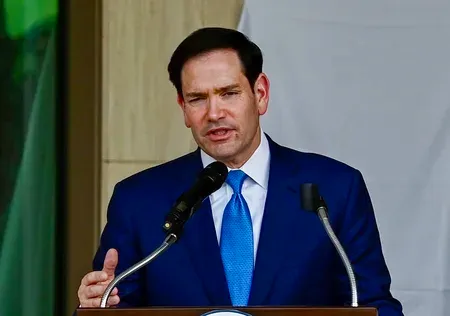
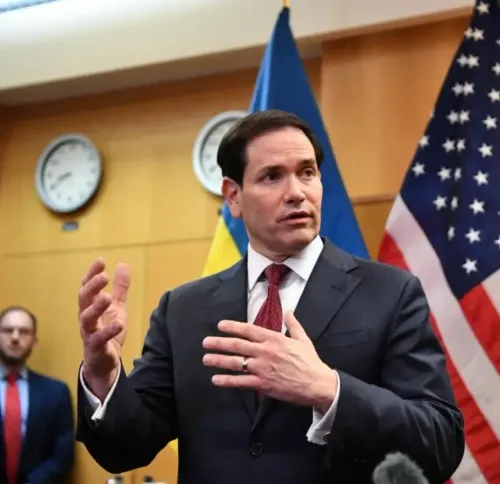
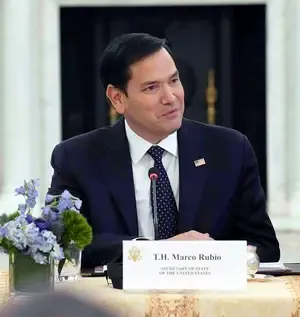
On January 29, in Washington, US Secretary of State Marco Rubio informed lawmakers that the Trump Administration is implementing a phased approach to address the situation in Venezuela, emphasizing immediate stabilization, economic recovery, and a future democratic transition. He acknowledged the complexity of these efforts and the time required to achieve them.
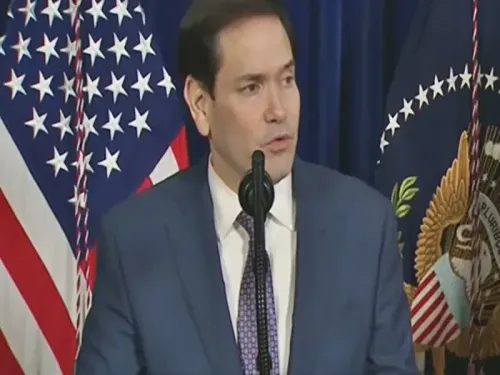
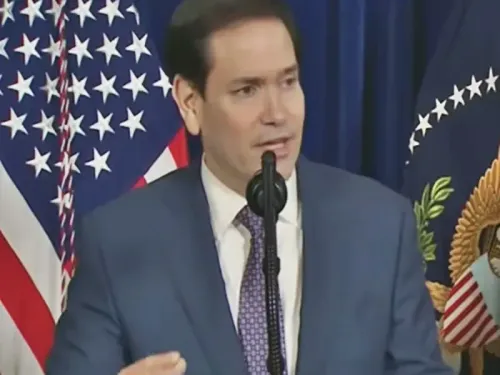
During a congressional hearing focused on US policy in Venezuela, Rubio stated that the aim is to establish “a phase of transition leading to a friendly, stable, and prosperous Venezuela, where every segment of society is represented and free and fair elections take place.” He warned that “this will not be accomplished in three weeks,” characterizing the journey as both gradual and challenging.
Rubio pointed out that the current state under Nicolás Maduro represents a direct threat to US security interests. He identified Venezuela as a “hub for many global competitors, adversaries, and enemies,” including Iran, Russia, and China, branding it as “a major strategic risk for the United States” within the Western Hemisphere.
He indicated that the immediate step following Maduro’s departure would be to prevent chaos. “There is concern regarding the future of Venezuela: will there be a civil war? Will factions turn against each other?” Rubio stated, emphasizing that the potential for large-scale violence and regional fallout has been successfully mitigated.
To ensure the country's stabilization, Rubio proposed a temporary framework that allows sanctioned Venezuelan oil to be sold at market value under US supervision. “The proceeds will be deposited into an account under our oversight, and the funds will be allocated for the benefit of the Venezuelan populace,” he elaborated, highlighting the necessity to finance essential government operations such as compensating police officers and sanitation workers.
Rubio stressed that this arrangement is temporary. “This is not meant to be a long-term solution,” he clarified, referring to it as a short-term measure to avert fiscal collapse while pursuing more extensive reforms. He also noted that Venezuela has transitioned key energy sourcing to the US, stating that the diluent required for processing heavy crude is now sourced “100 percent” from the US, rather than Russia.
In terms of recovery, Rubio highlighted initial economic and political actions taken by interim authorities, mentioning a new hydrocarbon law that “removes many restrictions from the Chávez era on private investment.” He acknowledged that while it “may not go far enough,” it signifies “a significant advancement from their status just three weeks prior.”
He also referenced the release of political prisoners, estimating “up to 2,000” have been freed, though he admitted they are being released “probably slower than I would prefer.” He stated that the administration is closely monitoring how these individuals are treated as they reintegrate into society.
Rubio indicated that Washington intends to re-establish a diplomatic presence in Caracas to engage both with authorities and civil society, as well as opposition figures. He described current interactions as “respectful and productive,” while emphasizing that progress will be assessed based on actions, declaring, “We will evaluate actions, not mere words.”
In response to inquiries about potential military involvement, Rubio asserted that the administration does not foresee any additional military action in Venezuela. “The only military presence you will see in Venezuela will be our marine guards at the embassy,” he confirmed, while recognizing that the president retains the authority to respond to imminent threats.
Venezuela has endured significant economic collapse, mass emigration, and international isolation in recent years, with disputed elections and extensive sanctions exacerbating instability. US officials have stated that the current strategy aims to divert the country from this trajectory toward a more open political and economic landscape.
Point of View
It is imperative to acknowledge the multifaceted approach the US is taking towards Venezuela. This roadmap highlights the need for patience and careful navigation through a complex political landscape. Supporting democratic values while ensuring stability is essential for the region's long-term prosperity.
NationPress
1 Oct 2026
Frequently Asked Questions
What is the main goal of the US strategy in Venezuela?
The primary goal is to achieve immediate stabilization, foster economic recovery, and facilitate a democratic transition in Venezuela.
How does the US plan to stabilize Venezuela?
The US plans to stabilize Venezuela by implementing a temporary mechanism for selling Venezuelan oil and overseeing the funds for essential government functions.
Who are the key adversaries in Venezuela according to Rubio?
Rubio identified Iran, Russia, and China as the primary adversaries using Venezuela as a base of operations.
What has been the impact of sanctions on Venezuela?
Sanctions have contributed significantly to Venezuela's economic collapse and international isolation, exacerbating instability.
Will there be military intervention in Venezuela?
Rubio indicated that the US does not anticipate further military action in Venezuela, except for the marine guards at the embassy.