Is the US's Strategy on Venezuela a Move Against China and Russia?
Synopsis
Discover how the US strategy to revitalize Venezuela's oil sector is seen as a countermeasure against Chinese and Russian influence in the region. President Trump outlines the significance of this approach, emphasizing the importance of American interests in the geopolitical landscape.
Key Takeaways
The US strategy targets the influence of China and Russia in Venezuela.
Venezuela's oil sector is critical for US energy interests.
Military leverage is employed to avoid prolonged conflicts.
Political stability in Venezuela affects regional security.
Historical ties between Latin America and the US shape current policies.
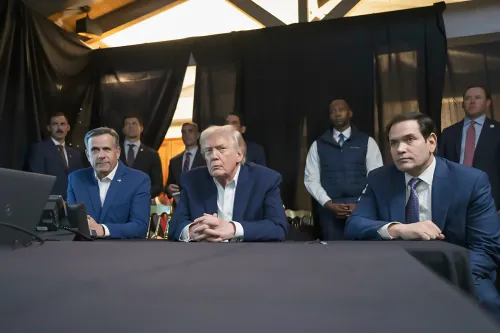
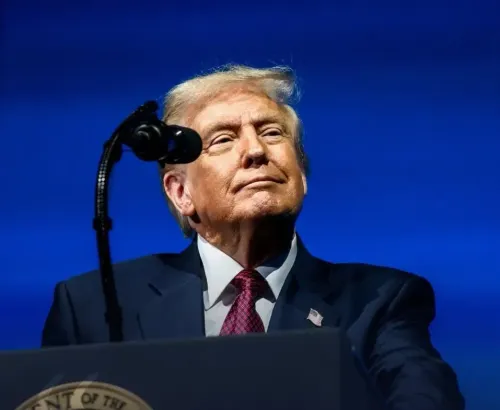
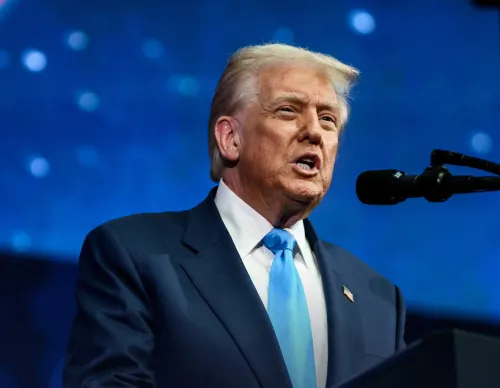
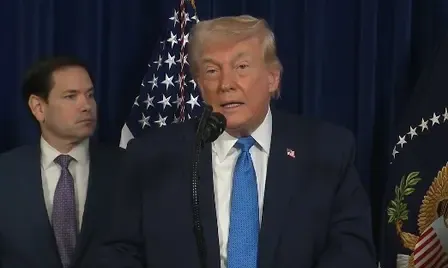
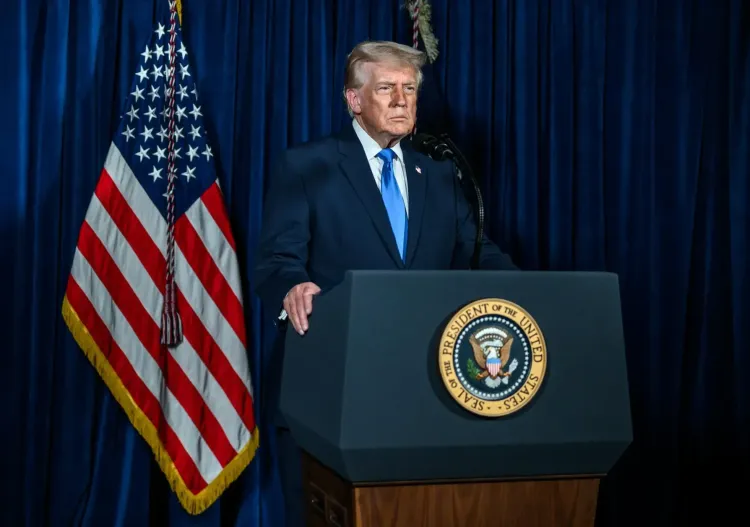
On January 10, (NationPress) President Donald Trump emphasized that the US-driven initiative to rejuvenate Venezuela’s oil industry is strategically designed to thwart the expansion of China and Russia in the Western Hemisphere. During a press conference at the White House alongside leaders of prominent American and international oil firms, Trump noted that Beijing or Moscow would have quickly seized control over Venezuela’s energy resources if the US had not stepped in.
“If we hadn’t taken action, China or Russia would have established their presence there,” Trump asserted.
He pointed out that the US would be willing to sell oil to China and other nations, but insisted that the management of Venezuelan production should align with American interests.
“The United States is open for transactions, both domestically and in Venezuela,” Trump stated.
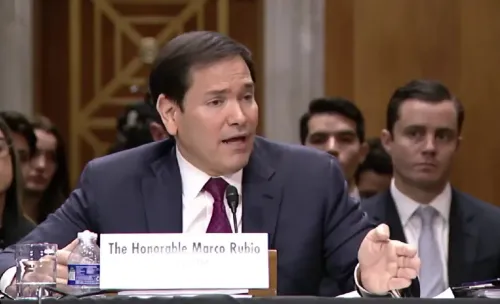
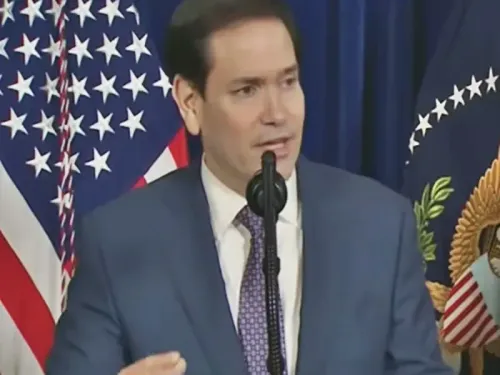
Secretary of State Marco Rubio remarked that Venezuela had turned into a base for adversarial actors under the prior administration.
“It was against the national interest and security of the United States to have a country in our own hemisphere... governed by an indicted drug trafficker,” Rubio expressed.
Energy Secretary Chris Wright noted that the deterioration in Venezuela has led to instability beyond its borders.
“The corruption and downfall of Venezuela have resulted in a humanitarian crisis for its citizens,” Wright said.
Trump added that US military involvement has generated leverage without the need for extended conflict.
“When we initiated a significant military operation… and utilized our military’s power, not to engage in combat but to halt Venezuelan oil exports,” he explained.
He stated that this strategy is akin to the US's efforts to curb Chinese and Russian sway in other crucial areas. “We won’t allow Russia or China to take over Venezuela,” Trump declared.
Historically, Latin America has been a region of significant interest for the United States, with energy security and geopolitical rivalries shaping US policies across various administrations.
Point of View
The US's approach towards Venezuela reflects a calculated geopolitical strategy aimed at ensuring that adverse influences from countries like China and Russia do not take root in the Western Hemisphere. This ongoing situation necessitates careful monitoring as it may have far-reaching implications for US foreign policy and regional stability.
NationPress
21 Sept 2026
Frequently Asked Questions
What is the US's main goal in Venezuela?
The US aims to revitalize Venezuela's oil sector to prevent China and Russia from expanding their influence in the region.
How does this strategy affect US interests?
The control of Venezuelan oil production is seen as essential to align with US interests and ensure energy security.
What role does military action play in this strategy?
US military action is intended to create leverage without prolonged conflict, focusing on preventing oil exports.
Why is Venezuela significant to US foreign policy?
Venezuela is strategically important due to its vast oil resources and geographic location in the Western Hemisphere.
What did Secretary Marco Rubio say about Venezuela?
Rubio stated that Venezuela has become a platform for hostile actors, which poses a threat to US national security.