Russia seeks gasoline imports from India after drone strikes cripple refineries
Synopsis
Ukrainian drone strikes have done what sanctions alone could not — forced Russia to look abroad for gasoline. With domestic refinery output at a two-decade low and a daily shortfall of 25,000 tonnes, Moscow is reportedly drafting a subsidy law to formalise large-scale fuel imports from India, its biggest crude supplier. The move could put New Delhi at the centre of a new geopolitical flashpoint.
Key Takeaways
Russia is reportedly drafting Tax Code amendments to subsidise large-scale gasoline imports from India , with the State Duma's budget committee backing the bill.
Ukrainian drone strikes have pushed Russian crude processing to its lowest level in two decades , cutting gasoline output by roughly 25 per cent .
Russia faces a structural daily fuel shortfall of roughly 25,000 tonnes — about 20 per cent of domestic consumption — with wholesale prices exceeding 100 rubles .
India imported a record 2.66 million barrels per day of Russian crude in June 2026 , some of which is refined and re-exported.
India's total gasoline exports hit a record 4 lakh barrels per day in 2025 , making it a credible large-scale supplier.
Russian light aircraft operators have reportedly begun using automobile gasoline as a substitute for aviation fuel due to the shortage.
Russia is reportedly working to launch large-scale seaborne gasoline imports from India to plug a widening domestic fuel shortfall, after a sustained wave of Ukrainian drone strikes battered its refinery infrastructure, according to a report by the Kyiv Post. The move, if finalised, would mark a significant expansion of the energy trade corridor between New Delhi and Moscow.
The Proposed Subsidy Mechanism
Draft amendments to Russia's Tax Code would extend an existing subsidy framework to cover companies undertaking gasoline imports from India, the Kyiv Post reported, citing an RBC report. Under the proposed rules, the subsidy would be calculated based on an indicative gasoline price on the Indian market and the cost of shipping fuel from Indian ports to Russia. The State Duma's budget and tax committee has already backed the bill, according to the report.
Scale of Russia's Refinery Crisis
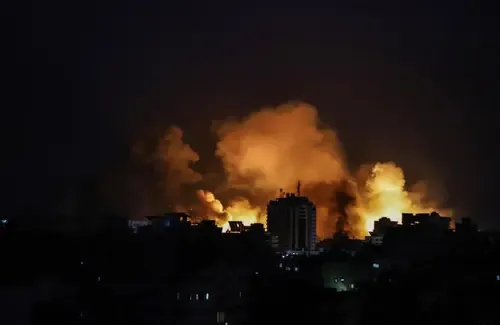
Strikes on Russian refining facilities have pushed the country's crude processing to its lowest level in two decades, cutting gasoline output by roughly 25 per cent. Operating refineries are currently producing approximately 85,000 tonnes of gasoline per day against a summer demand of around 1.11 lakh tonnes, leaving a structural daily shortfall of roughly 25,000 tonnes. The shortfall now accounts for about 20 per cent of domestic consumption and has driven wholesale gasoline prices above 100 rubles, the report said. Notably, Russian light aircraft operators have reportedly begun substituting automobile gasoline for aviation fuel amid the shortage and a surge in aviation fuel prices.
India's Role in Russia's Energy Supply Chain
India emerged as Russia's largest crude buyer following the full-scale invasion of Ukraine, purchasing between 1.5 and 2 million barrels per day in the period after the conflict began. That figure reportedly reached a record 2.66 million barrels per day in June 2026, a portion of which is processed at Indian refineries and re-exported as petroleum products, including gasoline. India's total gasoline exports themselves hit a record high of 4 lakh barrels per day in 2025, with the bulk absorbed by Asian markets.
Geopolitical and Trade Implications
This development comes amid intensifying scrutiny of India's energy ties with Russia, particularly from Western governments seeking to tighten sanctions enforcement. India has consistently maintained that its energy purchases are driven by commercial considerations and national interest. The prospect of Indian-refined gasoline flowing into Russia on a formalised, subsidy-backed basis could sharpen that diplomatic tension further. This is also the latest indicator that Ukrainian drone campaigns — targeting refinery infrastructure deep inside Russian territory — are beginning to produce measurable economic consequences for Moscow's domestic supply chains.
What to Watch
The bill still requires full legislative approval before any large-scale import programme can begin. Industry observers will track whether the State Duma passes the Tax Code amendments and whether major Indian refiners — already navigating Western pressure — choose to participate in a formalised export arrangement with Russia.
Point of View
The opportunity is commercially attractive but diplomatically loaded: formalised, government-subsidised gasoline exports to Russia would be far harder to defend as purely commercial than crude purchases. New Delhi has so far managed the tightrope between Moscow and the West by keeping arrangements informal and deniable. A statutory subsidy mechanism changes that calculus entirely, and Western capitals will be watching the Duma vote closely.
NationPress
24 Sept 2026
Frequently Asked Questions
Why is Russia seeking gasoline imports from India?
Russia is facing a domestic fuel shortfall of roughly 25,000 tonnes per day after Ukrainian drone strikes cut its refinery output by about 25 per cent, pushing crude processing to a two-decade low. To address the gap, Moscow is reportedly drafting Tax Code amendments to subsidise large-scale seaborne gasoline imports from India.
What does the proposed Russian subsidy for Indian gasoline involve?
Under draft Tax Code amendments backed by the State Duma's budget and tax committee, the subsidy would be calculated based on the indicative gasoline price on the Indian market and the cost of shipping fuel from Indian ports to Russia. The bill still requires full legislative approval.
How much Russian crude does India currently buy?
India became Russia's largest crude buyer after the full-scale invasion of Ukraine, purchasing between 1.5 and 2 million barrels per day. Imports reportedly reached a record 2.66 million barrels per day in June 2026, a portion of which is refined in India and re-exported.
What is the scale of Russia's fuel crisis?
Russian refineries are producing about 85,000 tonnes of gasoline per day against summer demand of around 1.11 lakh tonnes, leaving a daily shortfall of roughly 25,000 tonnes — approximately 20 per cent of domestic consumption. Wholesale gasoline prices have reportedly risen above 100 rubles.
What are the geopolitical risks for India?
India has maintained that its energy purchases from Russia are commercially driven. However, a formalised, subsidy-backed gasoline export arrangement could intensify Western scrutiny and complicate New Delhi's diplomatic balancing act between Moscow and its Western partners.