Russia summons Britain's envoy over UAV supplies to Ukraine
Synopsis
Moscow has issued its sharpest warning yet to London, declaring that British facilities in Ukraine used to strike Russian territory will be treated as legitimate military targets — a direct escalation of Kremlin rhetoric tied to the UK's accelerating UAV and weapons supply to Kyiv.
Key Takeaways
Russia's Foreign Ministry summoned Danae Dholakia , Britain's Chargé d'Affaires in Moscow , on 18 September 2026 .
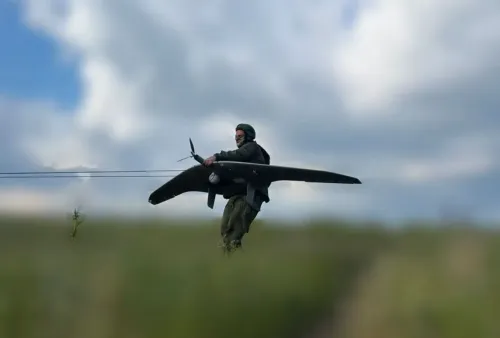
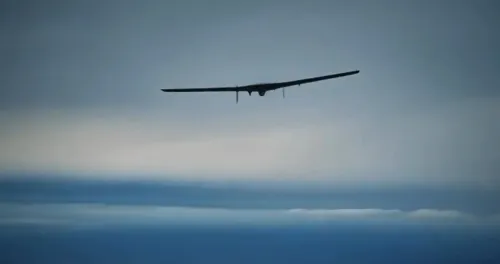
Moscow accused London of escalating the Ukraine conflict through increased supplies of UAVs and long-range offensive weapons.
Russia stated it reserves the right to retaliatory measures and declared British facilities in Ukraine used to strike Russian territory ‘legitimate targets.’ Britain was presented with a list of international obligations Russia claims it is violating.
Moscow demanded the UK abandon its escalatory policy and align with what it terms relevant international obligations.
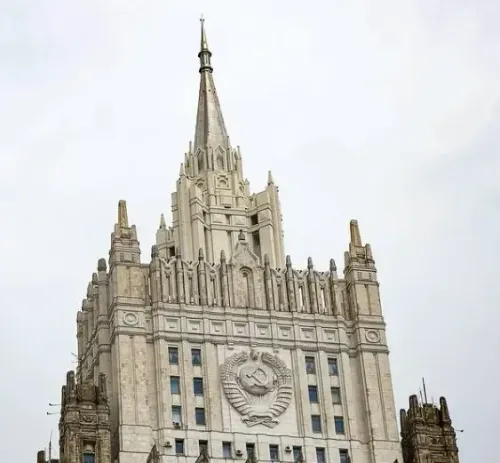
Russia's Foreign Ministry on Friday, 18 September 2026, summoned Danae Dholakia, Britain's Chargé d'Affaires in Moscow, over what it described as an escalating supply of Unmanned Aerial Vehicles (UAVs) and other weapons systems to Ukraine. The diplomatic summons marks a sharp new warning from the Kremlin directed at London over its continued military support for Kyiv.
What Russia Told the British Envoy
In a formal statement, the Russian Foreign Ministry accused the United Kingdom of pursuing a policy of confrontation it says is designed to prolong and escalate the armed conflict in Ukraine. “The United Kingdom's policy of confrontation on the Ukrainian track is obviously aimed at drawing out and escalating the armed conflict and is delaying the possibility of a political settlement,” the Ministry said.
Moscow further alleged that London's provision of long-range offensive weapons makes it “an accomplice to the bloody atrocities committed by the Kyiv regime, which can only be characterised as terrorism and war crimes.” The British side was presented with a list of international obligations that Russia claims it is violating through its support for Kyiv.
Russia's Retaliatory Threats
The Ministry issued a pointed warning, stating that Russia reserves the right to take retaliatory measures under its right to self-defence. In a significant escalation of rhetoric, Moscow declared that “any British facilities in Ukraine that are used to strike Russian territory shall be considered a legitimate target.” Full responsibility for any adverse developments, the statement added, “lies with London.”
Russia also claimed its forces maintain strategic initiative in what it terms the zone of the ‘special military operation’ — the Kremlin's official designation for its ongoing war in Ukraine — and described Britain's weapons supplies as ultimately ‘futile’ against the superiority of Russian armed forces.
Russia's Demands of Britain
According to the Foreign Ministry, the British side was formally requested to “abandon its current line of escalation” and align its actions with what Moscow characterises as relevant international obligations. The Ministry framed its position as one of restraint being tested by continued Western intervention, though critics and Western governments have consistently rejected Russia's characterisation of the conflict and its legal framing.
Broader Context
The summons comes amid a sustained pattern of Russian diplomatic protests against NATO-aligned states supplying Ukraine with increasingly sophisticated weaponry. Britain has been among Kyiv's most consistent backers since Russia's full-scale invasion in February 2022, having supplied Storm Shadow cruise missiles, artillery systems, and training support, in addition to UAVs. This is not the first time London's envoy has been called in by the Russian Foreign Ministry — earlier incidents followed Britain's delivery of long-range strike capabilities. The latest summons, however, carries notably stronger language around British facilities in Ukraine being designated ‘legitimate targets.’
Point of View
A combination that raises the risk calculus for London and, by extension, NATO. The summons follows a well-worn Russian playbook of diplomatic escalation that rarely yields Western policy changes but serves a domestic audience and signals to Kyiv's partners that costs are rising. What distinguishes this instance is the explicit targeting language, which Western capitals will not ignore. Whether Britain responds by further accelerating or calibrating its UAV deliveries will be a key test of how far London is willing to push its ‘full support’ for Ukraine under direct Kremlin pressure.
NationPress
19 Sept 2026
Frequently Asked Questions
Why did Russia summon Britain's Chargé d'Affaires on 18 September 2026?
Russia summoned Danae Dholakia, Britain's Chargé d'Affaires in Moscow, over what it described as an escalating supply of UAVs and other weapons systems by the UK to Ukraine. The Russian Foreign Ministry accused London of prolonging the conflict and acting as an accomplice to what it termed war crimes.
What threats did Russia make against Britain during the summons?
Moscow warned that it reserves the right to take retaliatory measures under its right to self-defence, and specifically stated that any British facilities in Ukraine used to strike Russian territory will be considered legitimate military targets. The Ministry held London responsible for any further adverse developments.
What did Russia demand from the United Kingdom?
Russia formally requested that Britain abandon its current policy of escalation and bring its actions into line with what Moscow calls relevant international obligations. The British side was also presented with a list of obligations Russia claims the UK is currently violating.
How does this fit into the broader UK-Russia confrontation over Ukraine?
Britain has been one of Ukraine's most consistent military backers since Russia's full-scale invasion in February 2022, supplying Storm Shadow missiles, artillery, training, and UAVs. Russia has summoned British diplomats previously over long-range weapon deliveries, but the latest statement's targeting language represents a notable escalation in tone.
What is Russia's position on the war in Ukraine as stated in the summons?
Russia claimed its forces maintain strategic initiative in what it calls the zone of the special military operation, and described Western weapons supplies as futile against Russian military superiority. It characterised the conflict as one where a political settlement is being blocked by UK and Western escalation.