Samosa Caucus to shrink from 6 to 4 as Krishnamoorthi, Thanedar exit
Synopsis
The Samosa Caucus is heading for its smallest size since 2019. Two incumbents lost their own primaries before the general election, and the only paths to preventing a four-seat floor run through an Arizona ER doctor facing a Trump-backed challenger and a former Florida principal who would become the state's first South Asian congressperson — both in races still rated toss-ups.
Key Takeaways
The Samosa Caucus is set to shrink from 6 to 4 Indian-American House members after the November 3 midterms.
Raja Krishnamoorthi lost the Illinois Senate Democratic primary on 17 March to Lt.
Governor Juliana Stratton , 40.39% to 32.71% .
Shri Thanedar lost the Michigan 13th Democratic primary on 4 August to Donavan McKinney , 51.9% to 48.1% , backed by Justice Democrats and Bernie Sanders .
Amish Shah (Arizona) and Pia Dandiya (Florida) are the only candidates who can prevent the caucus from falling to four — both races remain Toss-ups or close to it.
Dandiya, if elected, would be Florida's first South Asian member of Congress .
Indian Americans number roughly 5.5 million ( 1.6% of US population); 66% favoured Democratic House candidates in a recent AAPI survey.
The informal Samosa Caucus — the group of Indian-American members in the US House of Representatives — is poised to contract from six to four seats after the November 3 midterm elections, as Raja Krishnamoorthi and Shri Thanedar depart the chamber following primary defeats. The only paths to maintaining the current count rest on two tightly contested races: Amish Shah in Arizona and Pia Dandiya in Florida.
Why Two Incumbents Are Leaving
Krishnamoorthi, who represented Illinois's 8th Congressional District, vacated his House seat to mount a Senate bid. He lost the March 17 Democratic primary to Lieutenant Governor Juliana Stratton, who secured 40.39% of the vote against his 32.71%. In his concession, Krishnamoorthi said: 'Obviously, this is not the result we sought… But unlike Donald Trump, I'm not going to question the outcome. I'm proud of the race we ran.'
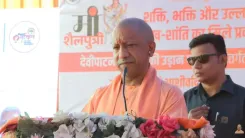
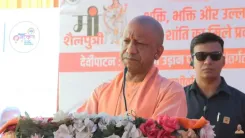
Thanedar fell short in the August 4 Democratic primary in Michigan's 13th Congressional District, losing to state Representative Donavan McKinney by a margin of 51.9% to 48.1%. Justice Democrats spent nearly $1 million backing McKinney, who also carried an endorsement from Senator Bernie Sanders. 'I want to congratulate Representative Donavan McKinney on a hard fought race… It was the honor of my life to represent the 13th District in the United States Congress,' Thanedar said in a statement on 5 August.
The Four Safe Incumbents
The remaining four Indian-American incumbents — Ami Bera (California's 3rd District), Ro Khanna (California's 17th), Pramila Jayapal (Washington's 7th), and Suhas Subramanyam (Virginia's 10th) — are all running in seats rated Solid or Safe Democratic by the Cook Political Report, Inside Elections, and Sabato's Crystal Ball. Notably, two of those races pit Indian Americans against each other: Khanna faces Indian-American Republican Ritesh Tandon, while Jayapal faces Indian-American Republican Nirav Sheth.
The Two Races That Could Stop the Decline
In Arizona's 1st Congressional District, Shah — an emergency room physician — faces Trump-backed Republican Jay Feely. Cook moved the race from Toss-up to Lean Democratic on 25 September, while Inside Elections and Sabato's Crystal Ball still rate it a Toss-up. The only available October poll, conducted by FirstStrategic, shows Shah at 44% and Feely at 42% — within a 5.4-point margin of error. Shah narrowly lost the same seat to Republican David Schweikert in 2024.
In Florida's redrawn 22nd Congressional District — an open seat — Dandiya faces Republican Casey Askar. Cook rates the contest a Toss-up; Inside Elections leans it Republican; Sabato's Crystal Ball calls it Lean Republican. Donald Trump carried the redrawn seat by 55-44 in 2024. A survey by Impact Research for the Democratic-aligned House Majority PAC placed Dandiya at 46% and Askar at 44%, while an August poll by Tavern Research showed the two tied. Dandiya, born in Palm Beach County to parents who immigrated from India and a former teacher and principal, would become Florida's first South Asian member of Congress if elected.
Historical Arc of Indian-American Representation
Before 2012, only two Indian Americans had served in Congress: Democrat Dalip Singh Saund of California (1957–1963) and Republican Bobby Jindal of Louisiana (2005–2008). Bera's 2012 election triggered a steady expansion — Khanna, Jayapal, and Krishnamoorthi joined in 2017, Thanedar in 2023, and Subramanyam in 2025. Indian Americans number approximately 5.5 million, about 1.6% of the US population. According to an AAPI Vote/AAPI Data survey conducted this summer, Indian-American voters favoured Democratic House candidates by 66% to 18%.
The departures also reflect a broader pattern of incumbent attrition: 12 sitting House members lost primaries this election cycle, seven of them Democrats. The caucus cannot grow beyond six in January — Republican nominees Tandon, Sheth, and Mahesh Ganorkar, who faces Democrat Valerie Foushee in North Carolina's 4th District, are all contesting in solidly Democratic seats. Whether the Samosa Caucus holds at four or reclaims a fifth or sixth seat will be determined by two battleground districts where margins remain razor-thin.
Point of View
While Thanedar was unseated by a well-funded progressive challenger backed by the national left. The result exposes a structural vulnerability — six Indian-American House members were always concentrated in safe Democratic seats, meaning any ambition or intra-party challenge could quickly erode the bloc's numbers. The two potential pickups, Shah and Dandiya, are running in genuinely competitive terrain that the community has not historically contested. Whether the caucus stabilises at four or recovers will say as much about Indian-American political geography as it does about candidate quality.
NationPress
11 Oct 2026
Frequently Asked Questions
What is the Samosa Caucus?
The Samosa Caucus is the informal name for the group of Indian-American members of the US House of Representatives. All six current members are Democrats: Ami Bera, Ro Khanna, Pramila Jayapal, Raja Krishnamoorthi, Shri Thanedar, and Suhas Subramanyam.
Why is the Samosa Caucus expected to shrink?
Two of its six members — Krishnamoorthi and Thanedar — lost their Democratic primaries and will not return to the House in January 2027. Unless Amish Shah wins in Arizona or Pia Dandiya wins in Florida, the caucus will fall from six to four.
How did Raja Krishnamoorthi and Shri Thanedar lose their seats?
Krishnamoorthi gave up his House seat to run for the US Senate and lost the Illinois Democratic primary on 17 March to Lt. Governor Juliana Stratton, 40.39% to 32.71%. Thanedar was defeated in the Michigan 13th District primary on 4 August by state Representative Donavan McKinney, 51.9% to 48.1%, with McKinney backed by Justice Democrats and Senator Bernie Sanders.
Who are Amish Shah and Pia Dandiya, and why do their races matter?
Shah is an emergency room physician running in Arizona's 1st Congressional District, rated Lean Democratic by Cook and a Toss-up by other forecasters. Dandiya is a former teacher and principal running in Florida's redrawn 22nd Congressional District, an open seat rated between Toss-up and Lean Republican. Dandiya would be Florida's first South Asian member of Congress if elected. Together, they are the only candidates who can prevent the Samosa Caucus from falling to four.
How large is the Indian-American community in the United States?
Indian Americans number approximately 5.5 million, about 1.6% of the total US population. According to an AAPI Vote/AAPI Data survey conducted this summer, Indian-American voters favoured Democratic House candidates by 66% to 18%.