Saudi airstrikes hit Houthi capital Sanaa amid Yemen escalation
Synopsis
Saudi airstrikes shook Sanaa on the night of 4 October, with residents describing earthquake-like tremors and terrified children — even as the Houthis claimed to have simultaneously struck an Aramco facility in Riyadh. With 60 reported strikes in 24 hours, the Houthi capture of Mocha and Mayyun Island, and a maritime embargo in force since July, the Yemen conflict is rapidly escalating beyond the front lines and into the heart of both capitals.
Key Takeaways
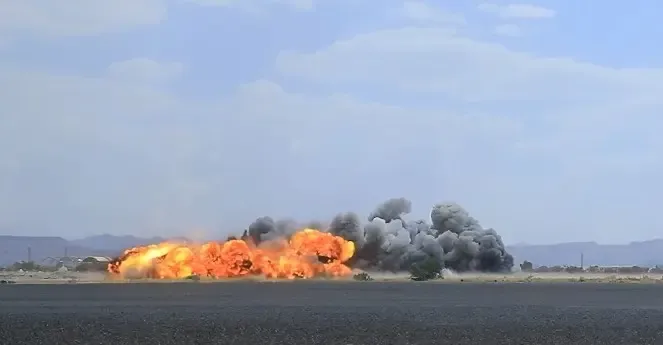
Powerful explosions struck Sanaa , Yemen's Houthi-held capital, late on 4 October 2025 , with Saudi airstrikes reported by al-Masirah TV .
A resident described the blasts as feeling 'like an earthquake' , rattling windows and waking children.
The Houthis claimed earlier the same day to have fired ballistic missiles and drones at an Aramco facility in Riyadh .
Houthi military spokesperson Yahya Sarea said 60 air and missile strikes hit Yemen in the previous 24 hours .
The Houthis captured Red Sea port city Mocha on 10 September and Mayyun Island the following day.
Yemen's conflict began in late 2014 ; a Saudi-led coalition intervened in March 2015 .
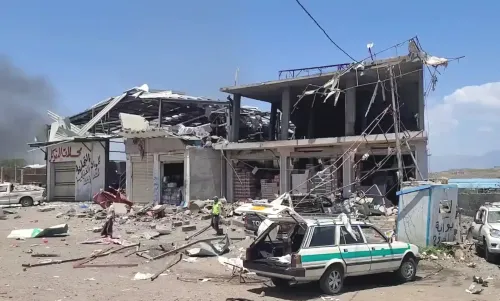
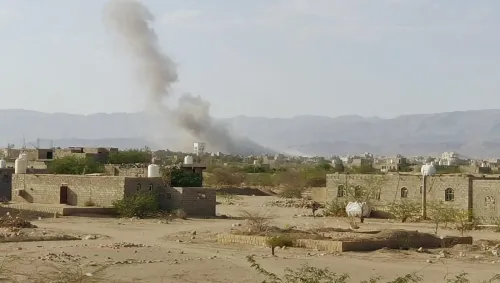
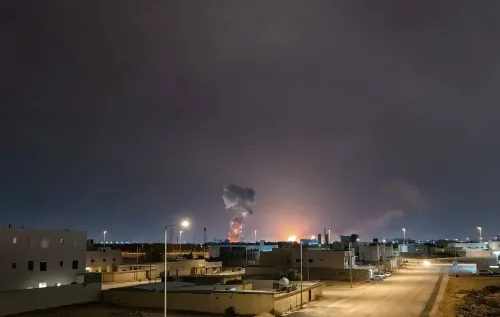
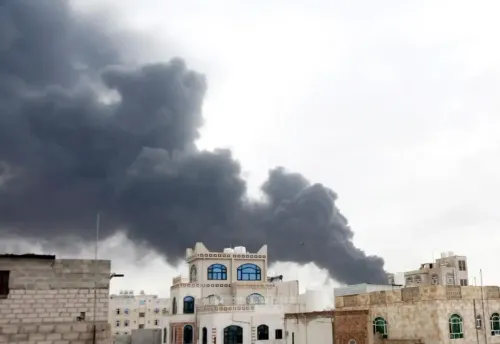
Powerful explosions rocked Sanaa, Yemen's Houthi-held capital, late on Saturday, 4 October 2025, as the Houthi-run broadcaster al-Masirah TV reported a fresh wave of Saudi airstrikes on the city. Casualties were not immediately known, and the full scale of damage remained unclear.
Eyewitness Accounts from the Capital
A Sanaa resident, speaking on condition of anonymity, described the force of the blasts: 'The blasts were so powerful that the ground shook beneath us. It felt like an earthquake. Our windows were rattling, and the children woke up terrified.' The resident said warplanes were heard overhead as powerful explosions echoed across the city, rattling windows and shaking buildings. Local residents believed the strikes targeted Houthi military positions.
Houthi Retaliatory Strikes on Riyadh
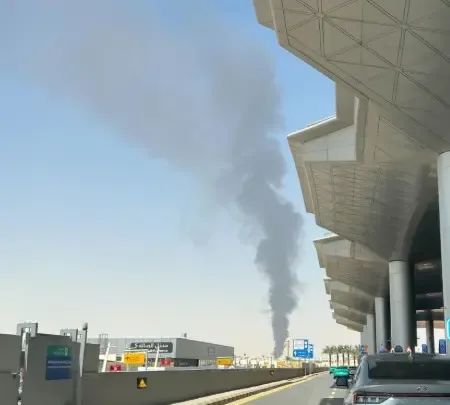
Earlier on the same day, the Houthis claimed to have launched ballistic missiles and drones at an Aramco facility in the Saudi capital Riyadh, framing the attack as retaliation for what they described as intensified Saudi strikes on Yemen. Houthi military spokesperson Yahya Sarea stated that 60 air and missile strikes had hit Yemen over the preceding 24 hours.
Escalation Timeline: From Maritime Embargo to Open Battle
The current surge in hostilities follows a series of escalatory steps. On 20 July, the Houthis announced a maritime embargo against Saudi Arabia, which was followed by an intensification of cross-border missile and drone attacks as well as retaliatory Saudi airstrikes. The confrontation widened further in September when fighting erupted between the Houthis and Yemeni government forces — largely backed by Saudi Arabia. The Houthis captured the Red Sea port city of Mocha on 10 September, followed by the strategically located Mayyun Island the next day — gains that significantly alter the maritime calculus in the region.
Background: A Decade of Conflict
Yemen's war traces its roots to late 2014, when the Houthis seized Sanaa and large swathes of northern Yemen. A Saudi-led coalition intervened in March 2015 in support of the internationally recognised Yemeni government, triggering what became one of the world's most protracted humanitarian crises. The latest exchanges mark a significant deterioration after months of relative diplomatic engagement. With territorial gains on the ground and resumed strikes from both sides, the conflict appears to be entering a more dangerous phase with no immediate ceasefire in sight.
Point of View
Raising the strategic stakes well beyond Yemen's borders. Mainstream coverage tends to frame this as a bilateral Yemen-Saudi confrontation, but the maritime embargo and Aramco targeting make this a regional energy and trade security story. With no ceasefire framework publicly on the table, and both sides conducting simultaneous capital-level strikes, the risk of a sustained escalation that draws in broader regional actors is higher now than at any point in recent months.
NationPress
4 Oct 2026
Frequently Asked Questions
What happened in Sanaa on 4 October 2025?
Loud explosions shook Sanaa, Yemen's Houthi-held capital, late on 4 October 2025, with the Houthi-run al-Masirah TV reporting renewed Saudi airstrikes on the city. Residents described the blasts as so powerful the ground shook and windows rattled, though casualties were not immediately known.
Why did the Houthis strike Riyadh?
The Houthis stated the missile and drone attack on an Aramco facility in Riyadh was in direct retaliation for what they described as intensified Saudi airstrikes on Yemen. Houthi military spokesperson Yahya Sarea said 60 air and missile strikes had hit Yemen in the 24 hours before the Riyadh attack.
What territorial gains have the Houthis made recently?
The Houthis captured the Red Sea port city of Mocha on 10 September and the strategically located Mayyun Island the following day. These gains give the group significant influence over maritime traffic in the Red Sea region.
When did the Houthi-Saudi confrontation intensify?
The current escalation accelerated after the Houthis announced a maritime embargo against Saudi Arabia on 20 July, followed by a surge in cross-border missile and drone attacks and Saudi retaliatory airstrikes. Fighting between the Houthis and Saudi-backed Yemeni government forces also widened in September.
How did Yemen's conflict begin?
Yemen's war began in late 2014 when the Houthis seized the capital Sanaa and much of northern Yemen. A Saudi-led coalition intervened in March 2015 to support the internationally recognised Yemeni government, triggering a conflict that has since become one of the world's most prolonged humanitarian crises.