Saudi Arabia intercepts Iraq-launched drones targeting oil facilities
Synopsis
Saudi Arabia's air defences shot down multiple drones launched from Iraqi territory on 27 July, targeting oil infrastructure in the Eastern Province and Riyadh. With Riyadh explicitly blaming Iranian-backed militias and reserving the right to respond, this latest escalation — following a near-identical incident in May — signals that the Gulf's drone war is far from over.
Key Takeaways
Saudi Arabia's Defence Ministry confirmed interception of multiple drones from Iraqi territory on 27 July .
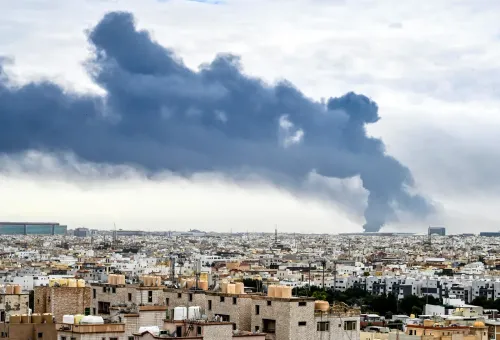
Drones targeted oil facilities in the Eastern Province and Riyadh ; all were neutralised.
Spokesman Turki Al-Malki blamed Iranian-backed militias for the attack.
Saudi Arabia has reserved the right to respond 'at the appropriate time and place.' A similar attack on 17 May also involved three drones launched from Iraq.
Iraq's Ministerial Council for National Security condemned the attacks and pledged action if its territory is confirmed as the launch point.
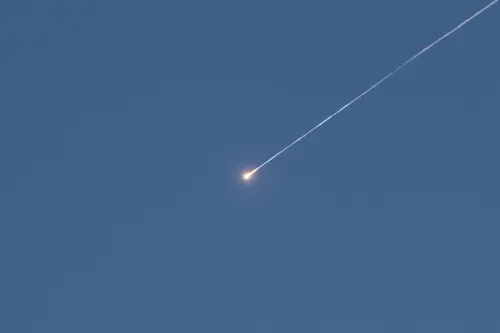
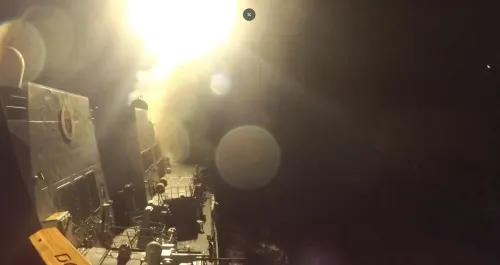
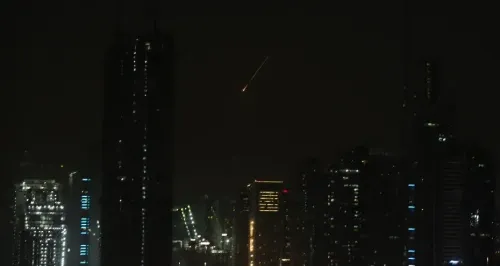
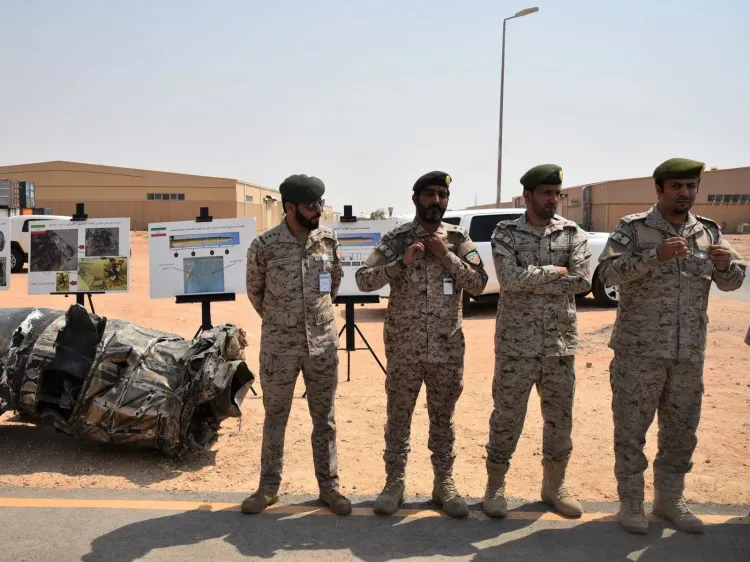
Saudi Arabia's Defence Ministry announced on Monday, 27 July that its air defences had intercepted and destroyed several drones launched from Iraqi territory, which attempted to strike oil facilities in the Eastern Province and Riyadh. The ministry attributed the attacks to Iranian-backed militias operating from Iraqi soil.
What Happened
Ministry spokesman Turki Al-Malki confirmed in an official statement that Saudi air defences neutralised multiple drones over a span of hours as they attempted to target critical oil infrastructure. Al-Malki stated that the launches were carried out by what he described as Iranian-backed militias using Iraqi territory as a staging ground.
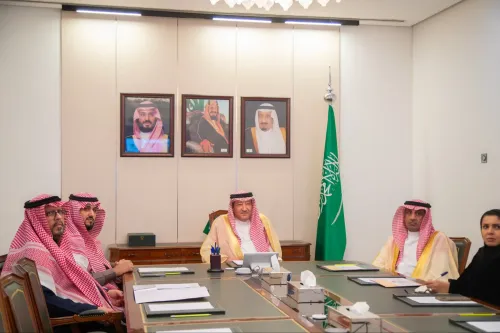
The Saudi Foreign Ministry separately issued a formal condemnation of the attack. As of the time of reporting, no group in Iraq had claimed responsibility for the incident.
Saudi Arabia's Warning
Al-Malki affirmed the kingdom's right to defend itself and its resources, adding that Saudi Arabia reserves the right to respond at a time and place of its choosing. He stated that all necessary operational measures would be taken to counter any attempt targeting the kingdom's sovereignty, security, and the safety of its citizens and residents.
Pattern of Escalation
This is not an isolated incident. On 17 May, the Saudi Defence Ministry announced the interception of three drones that had entered the kingdom's airspace from Iraq. The latest attack represents a renewed escalation of a pattern that has drawn regional concern.
On 18 May, Iraq's Foreign Ministry expressed deep concern over the earlier drone strikes, reaffirming its rejection of any acts that undermine the security of neighbouring states. By 20 May, Iraq had formed a special ministerial committee to coordinate with both Saudi Arabia and the United Arab Emirates (UAE) following drone attacks targeting the two countries.
Iraq's Official Position
Iraqi Prime Minister and Commander-in-Chief Ali al-Zaidi chaired the first meeting of Iraq's Ministerial Council for National Security, which ordered 'all necessary measures' against those responsible if Iraqi territory is confirmed as the launch point. Council spokesperson Sabah al-Numan said the meeting condemned the attacks on both Saudi Arabia and the UAE, and reiterated Iraq's firm rejection of the use of its territory or airspace for attacks against Arab states or friendly countries.
The latest drone interception deepens an already fraught security dynamic in the Gulf, with Saudi Arabia signalling it will not absorb further provocations without a formal response.
Point of View
And its repeated reservation of the right to respond, raises the stakes for regional de-escalation efforts. Iraq's formation of a ministerial committee after the May attacks has evidently not deterred a repeat. The real question is whether Saudi Arabia's next move will be diplomatic pressure on Baghdad, direct action, or an escalation that draws in other Gulf states — and whether Iran's hand can be proven to the satisfaction of international partners.
NationPress
27 Jul 2026
Frequently Asked Questions
What happened in the Saudi Arabia drone attack on 27 July?
Saudi Arabia's Defence Ministry announced that its air defences intercepted and destroyed multiple drones launched from Iraqi territory on 27 July, which attempted to strike oil facilities in the Eastern Province and Riyadh. The ministry's spokesman blamed Iranian-backed militias for the attack.
Who was responsible for the drone attack on Saudi Arabia?
Saudi Defence Ministry spokesman Turki Al-Malki attributed the attack to Iranian-backed militias operating from Iraqi territory. No group in Iraq has claimed responsibility as of the time of reporting.
Has this kind of drone attack on Saudi Arabia happened before?
Yes. On 17 May, Saudi Arabia intercepted three drones that entered its airspace from Iraq. The 27 July incident represents a renewed escalation of the same pattern, despite Iraq forming a special ministerial committee to coordinate a response after the May attacks.
What is Iraq's official position on the drone attacks?
Iraq has formally condemned the attacks on Saudi Arabia and the UAE, and its Ministerial Council for National Security has pledged 'all necessary measures' against those responsible if Iraqi territory is confirmed as the launch point. Iraq has consistently rejected the use of its territory for attacks against neighbouring states.
What could Saudi Arabia do next?
Spokesman Al-Malki stated that Saudi Arabia reserves the right to respond at a time and place of its choosing, and that all necessary operational measures will be taken. The form of that response — diplomatic, military, or otherwise — has not been specified.