Saudi airstrikes hit NW Yemen as Houthi-govt battle rages near Taiz
Synopsis
Saudi warplanes hit Houthi-held districts in northwestern Yemen on 10 October as ground forces clashed violently south of Taiz over Jabal Sabir — a mountain whose heights could hand whoever holds it a commanding advantage over the city. With cluster munition allegations surfacing and key supply roads already severed, the battle for Taiz may be entering a decisive phase in a war now approaching its tenth year.
Key Takeaways
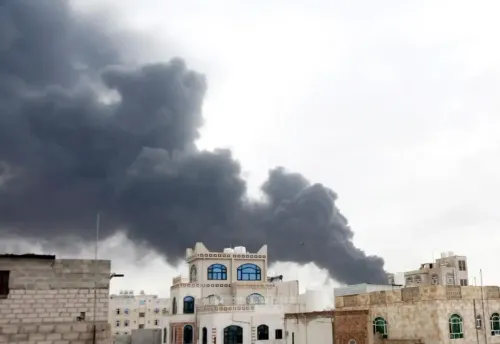
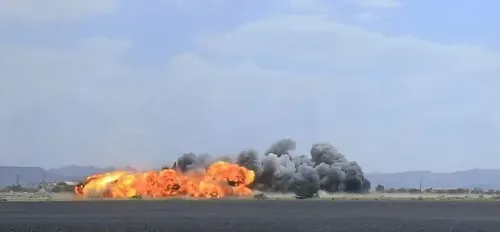
Saudi warplanes launched six airstrikes on the Abs district in Hajjah province on 10 October , injuring three people .
Houthi-run al-Masirah TV alleged 'cluster munitions' were used in some strikes; Saudi Arabia had not commented.
A separate airstrike hit a Yemen Petroleum Company station in Bajil district, Hodeidah , with no immediate casualties reported.
Fierce ground clashes erupted in Al-Shaqab south of Taiz as Houthi forces pushed toward the strategic Jabal Sabir mountain.
Government forces, backed by the Saudi-led Arab coalition , are working to reverse Houthi gains near the Bab al-Mandeb Strait .
Yemen's civil conflict has been ongoing since late 2014 , when Houthis seized Sanaa ; the coalition intervened in 2015 .
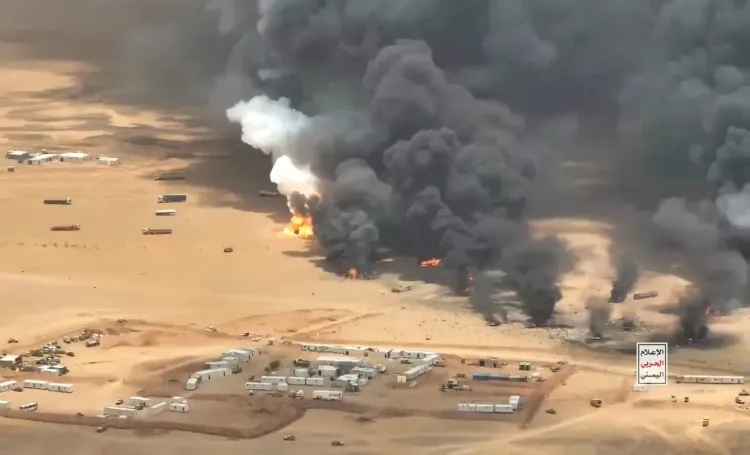
Saudi warplanes launched fresh airstrikes on Houthi-held territories in northwestern Yemen on Saturday, 10 October, as ground fighting intensified between Houthi forces and internationally recognised government troops around the southwestern city of Taiz, according to Houthi-run media and a government military source. The strikes represent a renewed escalation in a conflict that has ground on for nearly a decade.
Airstrikes in Hajjah and Hodeidah
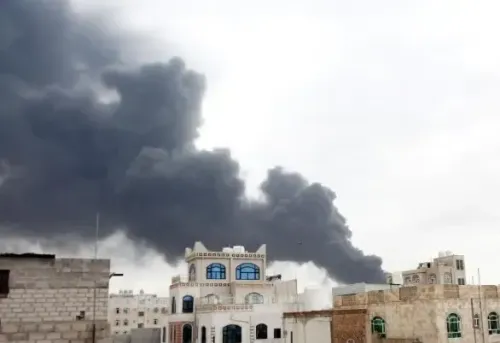
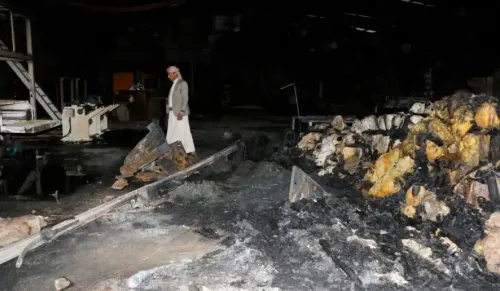
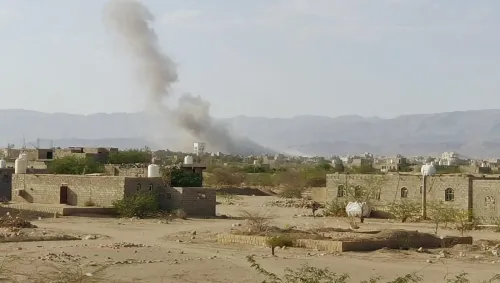
Houthi-run broadcaster al-Masirah TV reported that six airstrikes targeted the Abs district in the northwestern province of Hajjah, injuring three people and causing heavy damage to villages in the Bani Hatab area. The channel alleged that 'cluster munitions' were deployed in some of the strikes — a claim that, if verified, would draw fresh international scrutiny given the widespread condemnation such weapons have attracted in previous Yemen operations.
In the neighbouring Red Sea province of Hodeidah, Saudi warplanes reportedly struck a fuel station belonging to the Yemen Petroleum Company in the Bajil district, according to al-Masirah. No immediate casualties were reported from that strike. Saudi Arabia had not publicly commented on either set of strikes at the time of reporting.
Fierce Clashes South of Taiz
On the ground, a government military source confirmed that fierce clashes were underway in Al-Shaqab, within the Sabir al-Mawadim district south of Taiz, as Houthi forces pressed their advance toward Jabal Sabir — a strategically significant mountain that commands a sweeping view of Taiz city and its surrounding terrain.
'The battle for Jabal Sabir is critical because its heights dominate the Taiz city and the surrounding areas,' the source said, speaking on condition of anonymity. 'Government forces are trying to prevent the Houthis from gaining positions that would give them a major advantage over the city.'
Recent Houthi advances have placed mounting pressure on government defenders and severed key road links connecting Taiz with government-held areas in southern Yemen — a development that could affect both troop resupply and civilian movement.
Broader Escalation in Southwestern Yemen
The clashes around Taiz are part of a wider escalation across southwestern Yemen, where government forces — backed by the Saudi-led Arab coalition — have been working to reclaim territory lost to Houthi advances, including around the strategically vital Bab al-Mandeb Strait. Control of the strait carries significant implications for global shipping lanes and regional security calculations.
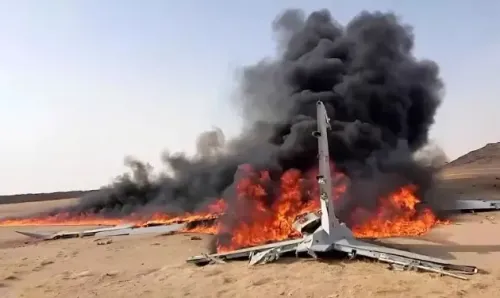
Notably, the Bab al-Mandeb Strait has been a recurring flashpoint, with Houthi drone and missile attacks on commercial vessels drawing international naval responses in recent years.
A Conflict Entering Its Second Decade
Yemen's civil war traces its roots to late 2014, when Houthi forces seized the capital Sanaa and large swathes of northern Yemen, effectively ousting the internationally recognised government. The Saudi-led coalition intervened in 2015 in support of that government, which has since relocated to the southern port city of Aden. Despite intermittent ceasefires and UN-mediated talks, a durable political settlement has remained elusive, and the humanitarian toll — already among the worst in the world — continues to mount.
With fighting intensifying on multiple fronts, the coming days around Taiz and Jabal Sabir are likely to prove decisive for the near-term balance of power in southwestern Yemen.
Point of View
And Taiz has long been the symbolic and strategic heart of the government's hold on southwestern Yemen. The cluster munition allegation, if substantiated, will reignite pressure on coalition partners in Washington and London who have faced sustained criticism over arms transfers. What mainstream coverage often underplays is the humanitarian chokepoint dimension: severed roads around Taiz do not just affect troop movements — they cut off food and medicine to a population already living through one of the world's worst humanitarian crises. A Houthi consolidation here would also tighten their grip on approaches to the Bab al-Mandeb Strait, with direct implications for global shipping that extend well beyond Yemen's borders.
NationPress
10 Oct 2026
Frequently Asked Questions
What happened in Yemen on 10 October?
Saudi warplanes launched fresh airstrikes on Houthi-held areas in northwestern Yemen on 10 October, hitting the Abs district in Hajjah province and a petroleum station in Hodeidah. Simultaneously, fierce ground clashes erupted south of Taiz as Houthi forces advanced toward the strategic Jabal Sabir mountain.
Why is Jabal Sabir significant in the Yemen conflict?
Jabal Sabir is a mountain overlooking Taiz city whose heights provide a commanding tactical advantage over the city and surrounding areas. A government military source said Houthi control of those positions would give them a 'major advantage' over Taiz, making it a critical objective for both sides.
What is the current situation in Taiz?
Taiz is under intense military pressure following recent Houthi advances that have disrupted key roads connecting the city to government-held areas in southern Yemen. Government forces, backed by the Saudi-led coalition, are engaged in fierce clashes in the Sabir al-Mawadim district to prevent further Houthi gains.
How long has the Yemen civil war been going on?
Yemen's civil conflict began in late 2014 when Houthi forces seized the capital Sanaa and much of northern Yemen. The Saudi-led Arab coalition intervened in 2015 in support of the internationally recognised government, which is now based in Aden, making this conflict nearly a decade old with no durable political settlement in sight.
What are cluster munitions and why does the allegation matter?
Cluster munitions are weapons that scatter smaller submunitions over a wide area and are widely condemned for their indiscriminate impact on civilians. Al-Masirah TV alleged their use in the Hajjah strikes; if verified, the claim would intensify international pressure on Saudi Arabia and its coalition partners over their conduct in the war.