Seoul Clarifies US Concerns Over Unification Minister's North Korea Remarks
Synopsis
In a significant diplomatic exchange, South Korea's Unification Ministry clarifies comments made by Minister Chung Dong-young regarding North Korea's nuclear facilities, particularly in Kusong. This revelation has sparked protests from the US, highlighting sensitive intelligence sharing issues.
Key Takeaways
Chung Dong-young's remarks identify Kusong as North Korea's third uranium enrichment site.
The US has voiced strong objections, concerned about sensitive information disclosures.
South Korea clarified that the information was based on publicly available data.
There are indications of restricted intelligence sharing between the US and South Korea.
This incident reflects ongoing tensions in US-South Korea relations .
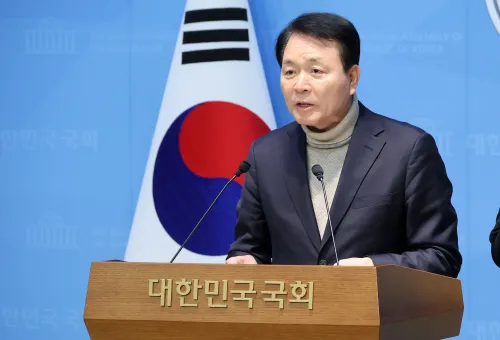
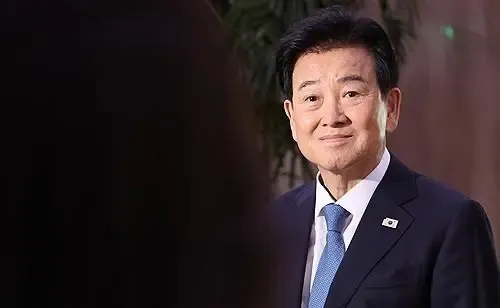
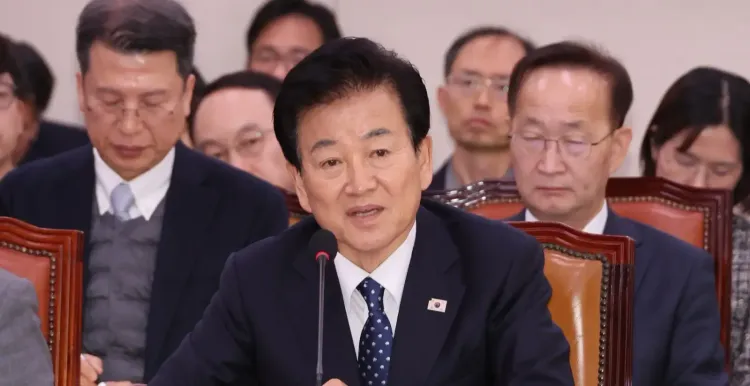
Seoul, April 17 (NationPress) The South Korean Ministry of Unification has provided an explanation to the United States regarding Unification Minister Chung Dong-young's comments, which identified the Kusong region in North Korea as a third site for a uranium enrichment facility, derived from publicly accessible data, officials stated on Friday.
In a notable disclosure concerning North Korea, Chung stated during a parliamentary session in March that there is an additional uranium enrichment facility located in the northwestern area of Kusong, in addition to the previously reported sites in Yongbyon and Kangson.
According to a local publication, DongA Ilbo, the US has expressed strong objections to South Korea regarding Chung's statements, highlighting the risk of revealing sensitive information about North Korea. Reports indicate that Washington has signaled intentions to restrict information sharing with Seoul concerning North Korea.
The Ministry of Unification clarified that Chung's identification of Kusong as the North's third nuclear facility was based on publicly available data.
"We have thoroughly briefed the US on the context of the minister's comments. We believe the US is also aware of this situation," stated Chang Yoon-jeong, deputy spokesperson for the ministry, during a press briefing.
"We have not received any information regarding Kusong from other entities," she emphasized.
Addressing news of Washington's protest, Chang mentioned that the ministry communicated the context of Chung's remarks to the US Embassy in Seoul at their request, as reported by Yonhap News Agency.
"We do not have knowledge of any protest from the US side," Chang remarked, adding that the ministry has no information regarding potential limitations on information sharing between South Korea and the US.
Sources from both South Korea and the US indicated that Washington has suggested it may partially restrict the sharing of intelligence related to North Korea with Seoul, with Chung's comments serving as a catalyst amid ongoing US frustrations over a series of bilateral foreign and security disagreements.
Point of View
Particularly regarding sensitive intelligence on North Korea. The Ministry's clarification aims to mitigate tensions while acknowledging the complexities of sharing crucial information with the US.
NationPress
19 Sept 2026
Frequently Asked Questions
What did Minister Chung Dong-young say about North Korea's nuclear facilities?
Minister Chung identified Kusong as a third uranium enrichment facility in North Korea, based on publicly available information.
Why did the US protest against South Korea's statements?
The US expressed concerns that Chung's remarks could reveal sensitive information about North Korea's nuclear capabilities.
What is the significance of the Kusong facility?
The Kusong facility is significant as it adds to existing knowledge about North Korea's uranium enrichment sites, which include Yongbyon and Kangson.
How has South Korea responded to US concerns?
South Korea's Ministry of Unification clarified that Chung's comments were based on public data and communicated this context to the US Embassy.
What are the implications for US-South Korea relations?
The situation may lead to restricted intelligence sharing between the two countries, reflecting broader frustrations over bilateral disagreements.