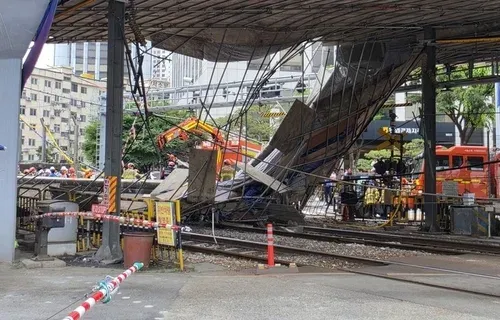
Seoul overpass collapse kills 3: Seosomun girders fall during demolition
Synopsis
An overpass being torn down in western Seoul collapsed mid-inspection on 26 May, killing three workers and injuring three others. Debris severed a live rail corridor, President Lee Jae Myung ordered a full investigation, and South Korea's ageing urban infrastructure is once again under scrutiny.
Key Takeaways
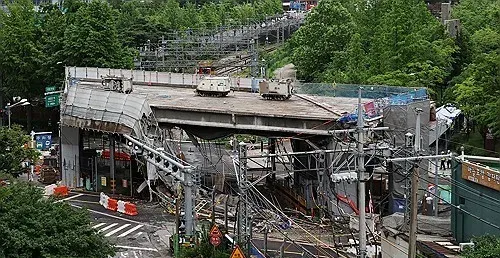
The Seosomun Overpass in western Seoul partially collapsed on 26 May at 2:32 pm during scheduled demolition work.
Three people died — two at the scene, one later — and three others were injured , sustaining injuries to the waist, head, and ribs.
Of 13 people near the site, seven evacuated safely before the structure gave way.
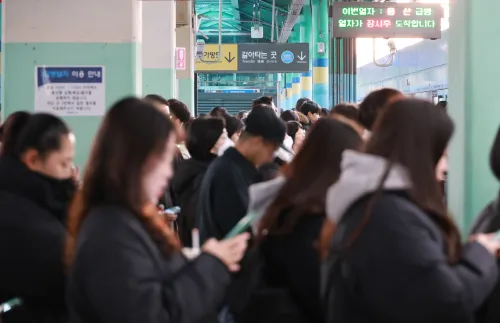
Korea Railroad Corp. suspended rail services between Seoul Station and Sinchon Station after debris fell on the nearby track.
President Lee Jae Myung ordered a full investigation; Prime Minister Kim Min-seok mobilised rescue personnel and equipment.
The overpass had been slated for complete demolition by early June 2025 .
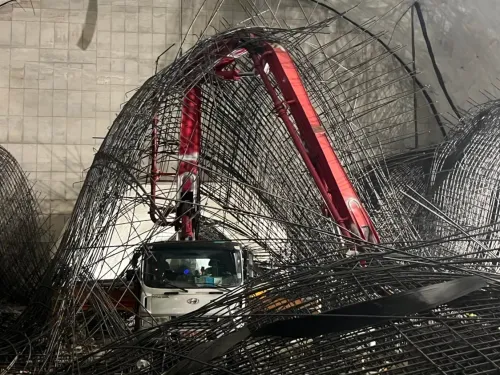
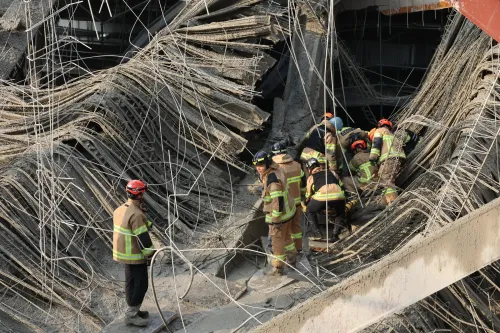
Three people are dead and three others injured after the Seosomun Overpass, an ageing structure in western Seoul, partially collapsed on Tuesday, 26 May while undergoing scheduled demolition work. Parts of the overpass and construction debris came crashing down at 2:32 pm local time, in one of South Korea's most serious infrastructure accidents in recent years.
How the Collapse Unfolded
According to Lee Jong-woon, an official at the Seodaemun Fire Station, workers had paused overnight demolition operations and entered the space between the girders for a safety inspection at around 2 pm when the girders appeared to give way. A total of 13 people were near the site at the time; seven evacuated safely, while six were caught in the incident.
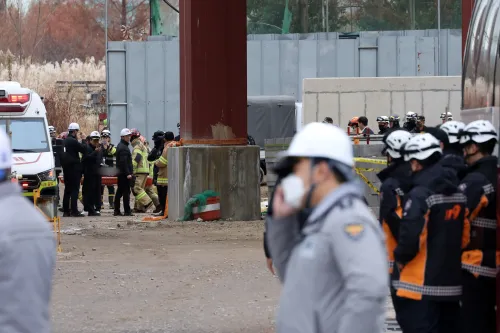
Two men — one in his 50s and another in his 60s — were killed at the scene. A third victim, initially listed as injured, was later pronounced dead, raising the confirmed death toll to three. The three surviving injured workers — men in their 30s, 40s, and 50s — sustained injuries to the waist, head, and ribs, officials said.
Disruption to Rail Services
Debris from the collapse fell onto a nearby railway line, prompting the Korea Railroad Corp. to suspend rail operations between Seoul Station and Sinchon Station. The suspension caused significant disruption to commuters in the South Korean capital. The overpass had been scheduled for full demolition by early June.
Government Response
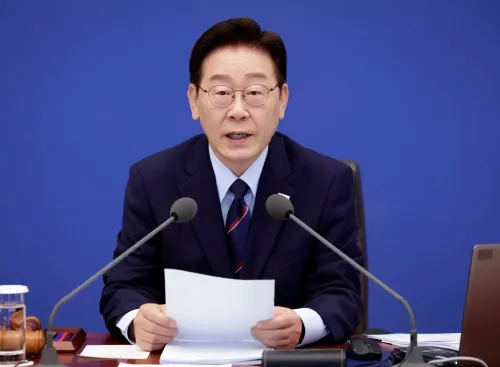
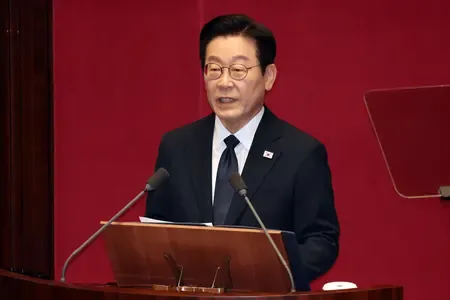
President Lee Jae Myung ordered a thorough investigation into the cause of the accident and directed officials to devise measures to prevent a recurrence, according to presidential spokesperson Kang Yu-jung. The President also called for utmost efforts to treat the injured and manage the aftermath.
Prime Minister Kim Min-seok ordered the full mobilisation of equipment and personnel for rescue operations. Kim directed the Seoul city government, the land ministry, and related agencies to cooperate fully on rescue efforts, identify capable medical facilities, and swiftly transport the injured to minimise casualties. He also instructed officials to restrict access to the site and ensure the safety of rescue workers.
Investigation and Next Steps
Later on Tuesday, the Seoul metropolitan government activated its disaster and safety countermeasures headquarters. Investigators are expected to examine whether safety protocols during the demolition were followed and whether the structure's condition was adequately assessed before work resumed. This comes amid broader scrutiny of ageing infrastructure across South Korean cities, where a number of older overpasses and bridges have faced deferred maintenance. The outcome of the investigation is likely to shape demolition safety regulations going forward.
Point of View
Raising a pointed question: was the inspection itself ordered because warning signs had already been observed? Seoul has deferred the removal of several ageing overpasses for years, and political pressure to clear urban corridors has accelerated demolition timelines. If investigators find that the schedule was rushed or that warning data was ignored, the accountability trail will lead well beyond the construction site. The suspension of a live rail corridor adds urgency — this was not a remote site failure but a collapse inside a dense urban grid.
NationPress
10 Oct 2026
Frequently Asked Questions
What happened at the Seosomun Overpass in Seoul?
The Seosomun Overpass in western Seoul partially collapsed on 26 May 2025 while workers were conducting a safety inspection between its girders during a scheduled demolition. Three people were killed and three others were injured in the incident.
Why were workers inside the structure when it collapsed?
According to Seodaemun Fire Station official Lee Jong-woon, workers had paused overnight demolition and entered between the girders at around 2 pm for a safety inspection when the girders appeared to collapse. The exact trigger is under investigation.
How did the collapse affect train services in Seoul?
Debris from the overpass fell onto a nearby railway line, prompting Korea Railroad Corp. to suspend rail operations between Seoul Station and Sinchon Station. The duration of the suspension was not immediately confirmed.
What action has the South Korean government taken?
President Lee Jae Myung ordered a thorough investigation and measures to prevent recurrence. Prime Minister Kim Min-seok ordered full mobilisation of rescue equipment and personnel, and the Seoul metropolitan government activated its disaster and safety countermeasures headquarters.
Was the overpass already scheduled for demolition?
Yes. The Seosomun Overpass had been scheduled for complete demolition by early June 2025, meaning the collapse occurred in the final stages of a planned removal operation.