Serbia repeat voting at 53 stations after disputed Oct 25 election
Synopsis
Serbia's disputed 25 October snap elections prompted the RIK to order a repeat vote at 53 polling stations on 1 November. With the student-backed coalition leading by over 13 percentage points in preliminary results, the re-run is unlikely to shift the parliamentary balance — but the path to a new government and an imminent presidential race make this a pivotal political moment for Belgrade.
Key Takeaways
Serbia held repeat voting at 53 polling stations on 1 November 2026 , following the 25 October snap parliamentary elections.
The RIK ordered re-runs at 31 stations where results were indeterminate and 22 where votes were annulled.
The student-backed 'Student List — Students Are Winning' leads with 52.71% in preliminary results from 8,187 of 8,392 stations.
The 'Aleksandar Vucic — United Serbia' list stands at 39.17% based on the same preliminary count.
Under the Serbian constitution, the new National Assembly must form a government; a presidential election is also required by end of December 2026 .
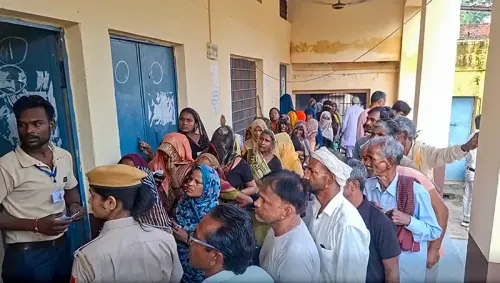
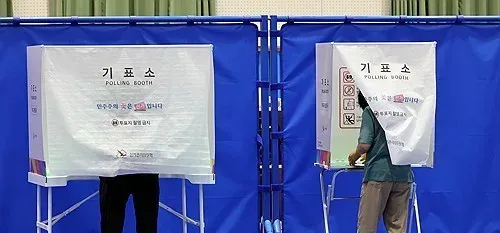
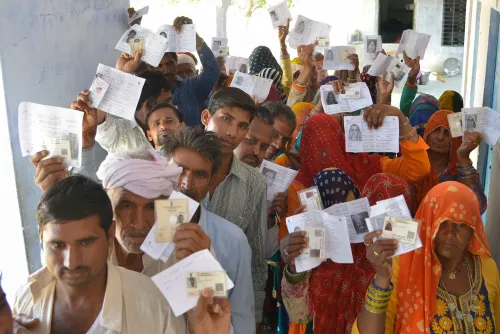
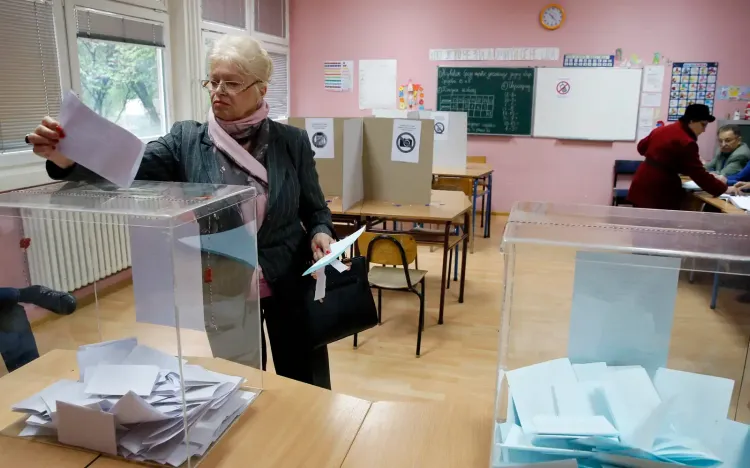
Serbia on Sunday, 1 November held repeat voting at 53 polling stations across the country, following disputed results from the 25 October snap parliamentary elections. The Serbian Republic Electoral Commission (RIK) ordered the re-run after results could not be determined at 31 stations and voting was annulled at another 22.
How the Repeat Vote Unfolded
Polling opened at 7 am local time and was scheduled to close at 8 pm. A total of 24,438 registered voters were eligible to cast ballots in the re-run. The exercise was confined strictly to the affected stations and did not constitute a nationwide re-poll.
Where the Broader Results Stand
According to preliminary figures released by the RIK on the Monday following the original vote, the student-backed coalition 'Student List — Students Are Winning' led with 52.71% of the vote, based on returns from 8,187 of Serbia's 8,392 polling stations. The rival 'Aleksandar Vucic — United Serbia' list, anchored by the Serbian Progressive Party (SNS), trailed with 39.17%.
Notably, the student-backed list's lead of more than 13 percentage points suggests that the outcome of the repeat voting at the 53 disputed stations is unlikely to alter the overall parliamentary arithmetic — though the final, certified count remains pending.
Background: How Serbia Reached This Point
The 25 October early elections saw 18 electoral lists field 2,418 candidates contesting 250 seats in the National Assembly. Approximately 6.45 million voters were registered, with 8,392 stations set up nationwide.
The election was triggered after then-President Aleksandar Vucic accepted the SNS nomination to lead its parliamentary list on 5 September, signed a dissolution decree on 9 September, and subsequently resigned the presidency on 27 September. National Assembly Speaker Ana Brnabic assumed the duties of acting president following his departure.
What Comes Next: Government Formation and Presidential Vote
Under the Serbian constitution, the election of a new National Assembly sets in motion the process of forming a government. Once lawmakers elect a new parliamentary speaker, that speaker — currently serving as acting president — will nominate a candidate for prime minister. The nominee must present a government programme and a proposed cabinet, then secure majority support in the assembly to take office.
Separately, Serbian law requires a presidential election to be held by the end of December 2026. With both a government formation and a presidential race on the horizon, the coming weeks will be critical in determining the country's new political order.
Point of View
But the political backdrop is anything but. A student-backed list defeating the ruling establishment by over 13 percentage points would mark a generational rupture in Serbian politics — yet the preliminary numbers remain uncertified and the government-formation process is opaque enough to allow significant horse-trading. The resignation of Vucic from the presidency, combined with his simultaneous bid for the prime ministership, is an unusual constitutional manoeuvre that concentrates power in the legislature at precisely the moment when street-level opposition is at its strongest. Whether the student list can translate its ballot lead into actual governing authority — or whether the SNS machinery reasserts itself in coalition talks — is the story that Belgrade watchers should be tracking, not the re-run itself.
NationPress
1 Nov 2026
Frequently Asked Questions
Why did Serbia hold repeat voting at 53 polling stations?
The Serbian Republic Electoral Commission (RIK) ordered a re-run because results could not be determined at 31 stations and voting was annulled at 22 others from the original 25 October snap elections. The repeat poll was held on 1 November 2026 with 24,438 eligible voters.
Who is leading in Serbia's 2026 parliamentary election results?
The student-backed coalition 'Student List — Students Are Winning' is leading with 52.71% of the vote in preliminary results covering 8,187 of Serbia's 8,392 polling stations. The 'Aleksandar Vucic — United Serbia' list is second with 39.17%.
What happens after Serbia's new National Assembly is elected?
Under the Serbian constitution, the new National Assembly must elect a parliamentary speaker, who will then nominate a candidate for prime minister. The nominee must present a government programme and cabinet list and secure majority support from deputies to form a government.
Why did Aleksandar Vucic resign as Serbia's president?
Vucic resigned as president on 27 September after accepting the Serbian Progressive Party's nomination to lead its parliamentary list and run as a candidate for prime minister. National Assembly Speaker Ana Brnabic assumed the acting president's duties following his resignation.
When must Serbia hold its presidential election?
Serbian law requires a presidential election to be held by the end of December 2026. With Vucic having vacated the presidency to contest the parliamentary race, the presidential vote is expected to follow closely on the heels of the government-formation process.