Odisha CMO: Roads, Wildlife Top Priority After Cyclone Arnab
Synopsis
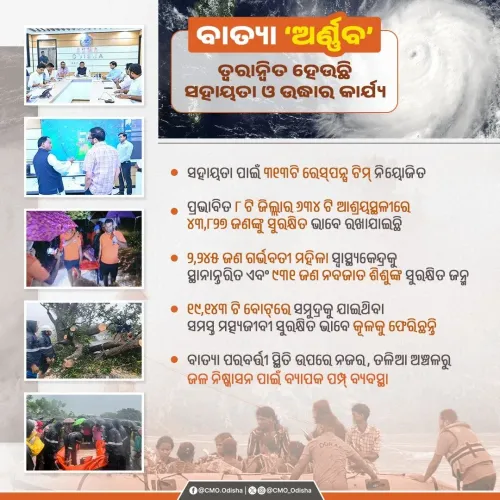
After Cyclone Arnab struck Odisha, the Chief Minister's Office declared wildlife protection and restoration of roads and essential services as top priorities, reaffirming the government's commitment to public safety and its two-decade tradition of integrated disaster recovery.
Key Takeaways
The Chief Minister's Office of Odisha issued a bilingual post on November 1, 2026 confirming post-Cyclone Arnab recovery priorities.
Wildlife protection has been explicitly included alongside road and essential-services restoration as a top priority.
Odisha has been refining its cyclone-response framework since the devastating 1999 Super Cyclone , which killed over 10,000 people .
Cyclone Fani (2019) was a landmark — over 1.2 million people evacuated and wildlife rescue formally integrated into post-landfall operations.
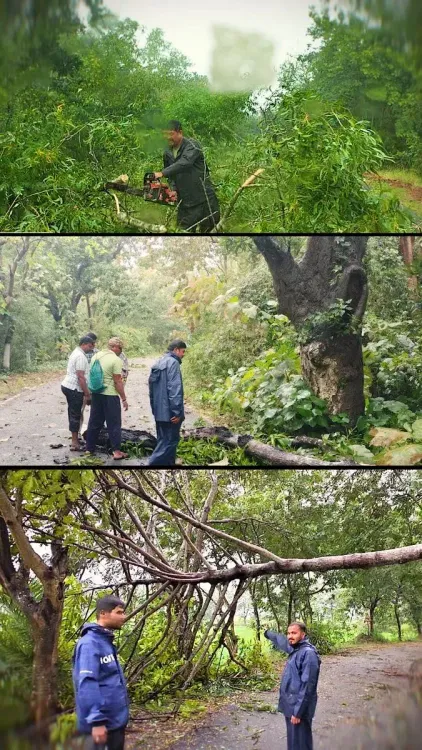
Restoration of roads is critical for maintaining emergency access and preparing evacuation corridors for future storms.
Progress on road clearance, power, water supply, and forest-department wildlife operations will be the key metrics to watch in coming days.
With Cyclone 'Arnab' having swept through Odisha, the state government is now in full recovery mode — and this time, the restoration agenda extends beyond roads and power lines to something less visible but equally urgent: the wildlife caught in the storm's path. The Chief Minister's Office of Odisha confirmed on Sunday, November 1, 2026 that the protection of wildlife alongside the restoration of roads and essential services are being treated as the topmost priorities in the cyclone's aftermath.
The twin mandate: people and wildlife
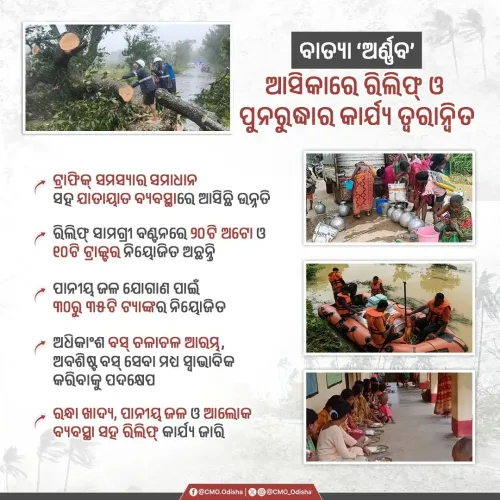
The official post, issued in both Odia and English, stated that 'the protection of wildlife and restoration of roads and essential services remain top priorities' following Cyclone Arnab. The government pledged it is 'fully committed to ensuring the safety and convenience of the people.' The dual emphasis — on human infrastructure and animal welfare simultaneously — signals a deliberately broadened definition of disaster recovery that Odisha has been refining for over two decades.
Odisha sits squarely in one of the most cyclone-battered coastlines on the planet, hugging the Bay of Bengal in eastern India. Bay of Bengal storms have made landfall here with alarming regularity, and each one has sharpened the state's institutional muscle. The 1999 Super Cyclone was the brutal forcing function — it killed over 10,000 people and prompted a wholesale overhaul of early-warning systems, evacuation protocols, and rapid restoration frameworks. Twenty years later, Cyclone Fani in 2019 became a global case study in mass evacuation: over 1.2 million people were moved to safety in under 48 hours, and wildlife rescue was formally integrated into post-landfall operations for the first time at scale.
Wildlife in the recovery calculus
The explicit mention of wildlife protection is not ceremonial. Odisha's forests — including the mangrove belts of Bhitarkanika and the wildlife corridors further inland — are routinely disrupted by severe storms. Downed trees block animal movement, floods displace large mammals, and saltwater intrusion harms coastal ecosystems. In past cyclones, the Odisha Forest Department has coordinated rescue of injured animals and monitored vulnerable species in the immediate aftermath.
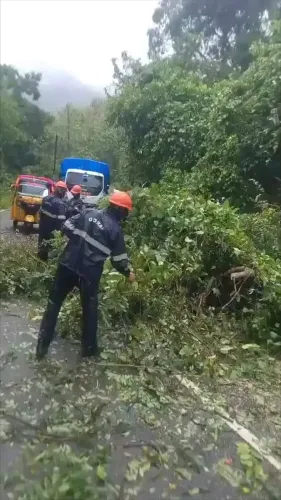
Road restoration is equally time-critical. Blocked highways isolate villages from medical care and food supply, and in cyclone-prone Odisha, state and national highways double as evacuation arteries — they must be functional for the next storm, not just the one that just passed. Power and water supply restoration typically follows the same timeline, with district administrations reporting progress to the state in daily cycles.
What recovery looks like from here
The state's disaster-management architecture — built progressively since 1999 and battle-tested through Fani, Amphan (2020), and subsequent storms — gives Odisha a structured playbook: assess damage zone by zone, prioritise arterial road clearance, restore electricity feeders to hospitals and water plants first, and deploy forest teams to wildlife corridors in parallel. Progress reports from district collectors and the forest department will indicate how quickly Arnab-affected areas return to normalcy.
For a state that has turned cyclone preparedness into something close to a competitive advantage among Indian coastal states, the speed and scope of this recovery will be the real measure.
Point of View
The swift public communication by the CMO follows a pattern established post-Fani: visible, real-time government signalling is now integral to Odisha's disaster-response brand. The mention of 'lok ke sarkar' — a people's government — carries an implicit electoral undertone, reinforcing the administration's identity as a responsive state in a cyclone-prone constituency. Watch whether the forest department's wildlife rescue updates are publicised with the same frequency as infrastructure milestones, which would signal genuine institutional parity rather than rhetorical balance.
NationPress
1 Nov 2026
Frequently Asked Questions
What is Cyclone Arnab and where did it hit?
Cyclone Arnab is the name given to the tropical cyclone that struck Odisha around November 1, 2026 . The storm made landfall on the Bay of Bengal coast of Odisha, prompting a state-level disaster-recovery response.
What are the Odisha government's top priorities after Cyclone Arnab?
The Chief Minister's Office of Odisha has stated that wildlife protection and the restoration of roads and essential services — including power and water supply — are the highest priorities in the aftermath of Cyclone Arnab.
Why does Odisha include wildlife protection in cyclone recovery?
Odisha's forests and mangrove ecosystems, including Bhitarkanika, are disrupted by major storms. Since Cyclone Fani in 2019, the state has formally integrated wildlife rescue into post-cyclone operations, recognising that downed trees and floods can injure or displace large animal populations.
How has Odisha's disaster management evolved over the years?
After the catastrophic 1999 Super Cyclone, Odisha rebuilt its disaster-management systems from scratch, adding early-warning networks and rapid restoration protocols. Cyclone Fani in 2019 demonstrated the system's maturity when over 1.2 million people were safely evacuated, earning international recognition.
What should people in Odisha watch for in the coming days after Cyclone Arnab?
Key indicators to track include updates on arterial road clearance, restoration of electricity to hospitals and water plants, wildlife rescue operations by the Odisha Forest Department, and district-level damage assessment reports.