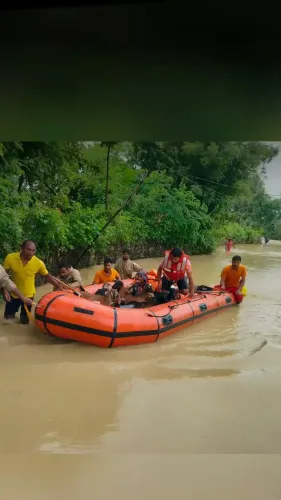
Odisha CMO: Cyclone Arnab relief and road recovery accelerated
Synopsis
The Chief Minister's Office of Odisha announced on 31 October 2026 that relief and recovery operations following Cyclone Arnab have been stepped up, with traffic bottlenecks being resolved and road connectivity steadily improving across affected areas.
Key Takeaways
Cyclone Arnab struck Odisha, triggering a post-disaster relief and recovery response by the state government.
The Chief Minister's Office of Odisha confirmed on 31 October 2026 that relief and recovery operations have been further accelerated.
Traffic disruptions caused by the cyclone are being actively resolved, with road connectivity described as improving.
Odisha's disaster response framework traces back to the 1999 Super Cyclone and was stress-tested during Cyclone Fani in 2019 , when over 1.2 million people were evacuated.
Coastal communities are awaiting updates on compensation disbursal, full power restoration, and central assistance packages.
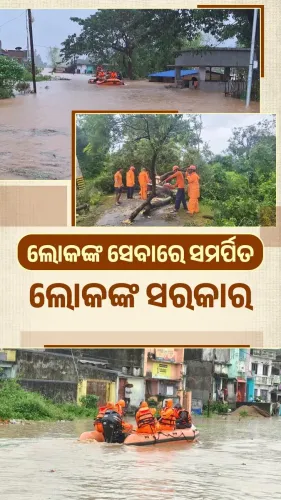
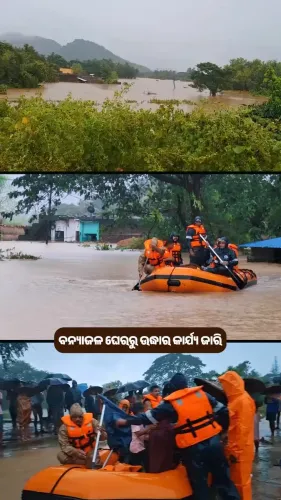
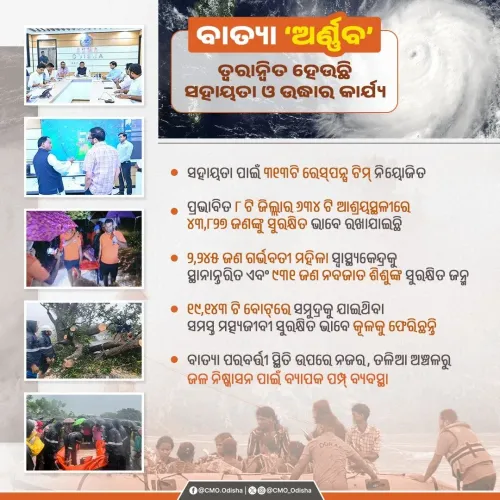
In the wake of Cyclone Arnab, the Odisha state machinery has shifted into high gear — accelerating relief operations and pushing hard to restore normalcy on roads that were choked in the storm's aftermath, the Chief Minister's Office of Odisha announced on Saturday, 31 October 2026.
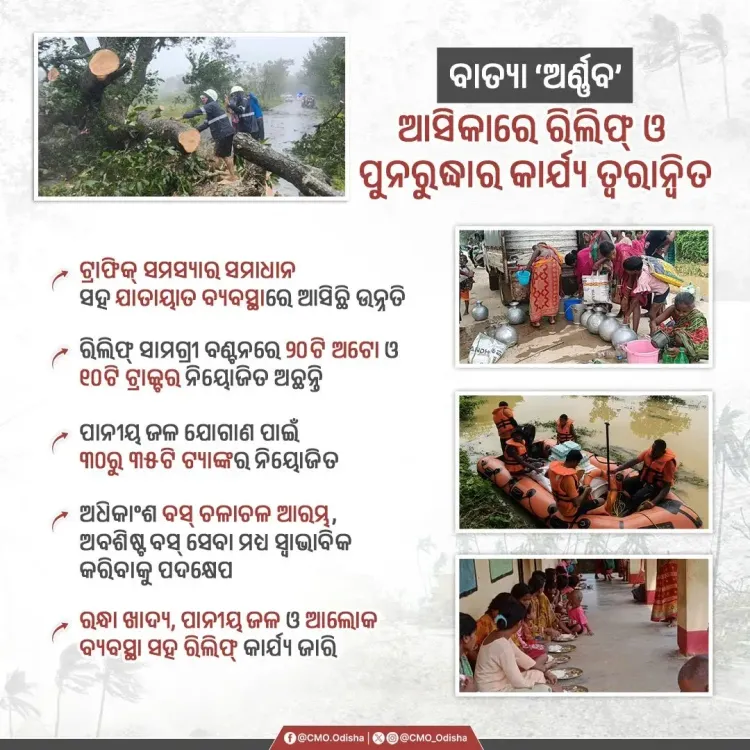
The CMO's post, in Odia, confirmed that 'ରିଲିଫ୍ ଓ ପୁନରୁଦ୍ଧାର କାର୍ଯ୍ୟ' (relief and recovery operations) have been further expedited in the post-cyclone situation, and that traffic disruptions are being resolved with improving movement conditions on the ground.
Arnab's aftermath: what the state is racing to fix
Odisha sits squarely on the Bay of Bengal cyclone corridor, and its governments have learned — sometimes at great cost — that the hours and days after a storm define how quickly coastal communities can rebuild their lives. The post-cyclone phase typically sees two urgent pressure points: getting relief materials to cut-off pockets, and reopening roads so that aid and people can actually move.
Both fronts are now being addressed simultaneously, according to the CMO. Traffic bottlenecks — a near-universal consequence of fallen trees, waterlogging, and damaged roads after a major cyclone — are being cleared, and connectivity is described as improving.
A state forged by storm experience
Odisha's institutional muscle for cyclone response was built over decades of hard lessons. The catastrophic 1999 Super Cyclone killed nearly 10,000 people and prompted a wholesale overhaul of the state's disaster management architecture — early warning systems, evacuation protocols, and rapid-response teams that are now considered a national benchmark. Cyclone Fani in 2019, one of the strongest storms to hit India in decades, tested that architecture at scale: the state evacuated over 1.2 million people in under 48 hours and prioritised transport restoration as a first-order recovery task.
That lineage matters here. When the CMO signals that relief and recovery are being 'further accelerated,' it reflects a standing playbook — local administration working in tandem with central support — rather than an improvised response.
What affected communities are watching for next
For the coastal communities in Cyclone Arnab's path, the immediate markers of recovery are simple and human: food and shelter reaching those who need it, roads passable enough for daily movement, and a timeline for compensation disbursal. The state's next communications will be watched closely for specifics — which districts are fully connected, when power restoration is complete, and whether central assistance packages are being mobilised.
Odisha has set a high bar for itself. The question now is how quickly the machinery can close the gap between the storm's damage and a return to ordinary life for those who bore the brunt of Arnab.
Point of View
Visible acceleration of relief signals both competence and political accountability to a storm-weary coastal electorate. The emphasis on traffic restoration is telling: connectivity is the capillary system of disaster recovery, and delays there cascade into every other relief metric. Watch whether the pace of central-state coordination on compensation packages matches the urgency of the state's own messaging.
NationPress
1 Nov 2026
Frequently Asked Questions
What is Cyclone Arnab and where did it hit?
Cyclone Arnab is a tropical cyclone that affected the state of Odisha on the eastern coast of India. Specific landfall details and damage figures are being assessed by the state government.
What relief measures is Odisha taking after Cyclone Arnab?
The Odisha government has accelerated relief distribution and recovery operations in the post-cyclone phase, while simultaneously working to clear traffic disruptions and restore road connectivity in affected areas.
How does Odisha manage cyclone relief and recovery?
Odisha has a dedicated disaster management framework built after the 1999 Super Cyclone, combining early warning systems, rapid evacuation, and structured post-disaster relief and transport restoration protocols.
Is road connectivity restored in Odisha after Cyclone Arnab?
According to the Chief Minister's Office, traffic problems are being resolved and road connectivity is improving, though full restoration timelines have not yet been specified.
Will cyclone-affected people in Odisha receive compensation?
Compensation disbursal is a standard component of Odisha's post-cyclone response. Specific details of packages for Cyclone Arnab-affected districts are expected in subsequent government announcements.