Serbia election 2026: Vucic concedes as student-led list wins majority

Synopsis
Serbia's 14-year era of SNS dominance ended on election night as Aleksandar Vucic himself walked to the podium and called the race against the student-led movement that grew out of a railway station tragedy in Novi Sad. A grassroots protest campaign has, in under two years, become a parliamentary majority — one of the most dramatic political turnarounds in modern European history.
Key Takeaways
Aleksandar Vucic conceded defeat in Serbia's snap parliamentary election on 26 October 2026 , ending the SNS's 14-year rule .
The Student List — Students Win is projected to win 52% of the vote and between 135 and 140 of 250 parliamentary seats.
Vucic's SNS -led coalition stood at 39.3% , or roughly 105 seats , according to his own stratified sample.
The student movement was born from anti-corruption protests triggered by the November 2024 Novi Sad railway station canopy collapse that killed 16 people .
Prominent winner Radomir Saicic called it 'a victory of courage over fear' and urged peaceful celebrations.
A new presidential election is required by the end of December 2026 following Vucic's resignation from the presidency.
Former Serbian President Aleksandar Vucic conceded defeat in Serbia's snap parliamentary election on 26 October 2026, as independent projections confirmed that the Student List — Students Win had secured an outright majority in the 250-seat unicameral parliament, ending the Serbian Progressive Party's (SNS) 14-year grip on power. The result marks the most consequential political shift in Belgrade since the SNS first came to power in 2012.
Election Results at a Glance
Initial projections by polling agencies Ipsos and CeSID showed the Student List capturing 52% of the vote, well ahead of Vucic's SNS-led coalition, 'Aleksandar Vucic — United Serbia', which stood at 39.3%. According to Vucic's own stratified sample, the student-backed list was on course for between 135 and 140 seats, against roughly 105 for his coalition — with 126 seats required for a parliamentary majority.
Vucic put the vote tally at approximately 2.2 million for the Student List against roughly 1.72 million for his coalition. About 6.45 million eligible voters cast ballots across 8,392 polling stations, with 18 electoral lists competing.
Vucic's Concession and What He Said
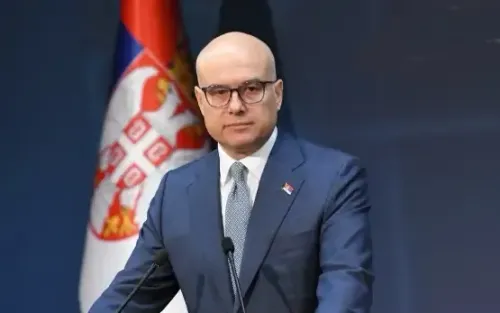
Speaking at his campaign headquarters in Belgrade before official results were declared, Vucic chose to make the projections public himself — he said — to spare his supporters uncertainty and to pre-empt accusations that he would refuse to acknowledge defeat. 'I want to inform you that based on the stratified sample, it is clear that we have lost these elections,' he said. 'The student-backed list has won. They will have between 135 and 140 seats, and we will have around 105.'
Vucic attributed the projected defeat in part to foreign backing for the protest movement, describing the outcome as a 'verification of a revolution.' He pledged that his political movement would remain united and continue its work from the opposition benches.
The Movement Behind the Victory
The Student List is the electoral arm of a grassroots anti-corruption movement that emerged over nearly two years of university blockades and street protests. The catalyst was the November 2024 collapse of a railway station canopy in Novi Sad that killed 16 people — a tragedy that crystallised public anger over institutional corruption and demanded accountability from the ruling establishment.
The movement's formal list was headed by Novi Sad university professor Ilija Srdanovic. It challenged not only the ruling SNS bloc but also established opposition parties, including the Socialist Party of Serbia and other pro-European and right-wing groups — a sign of the breadth of its appeal.
Victory Celebrations and the New Leadership's Tone
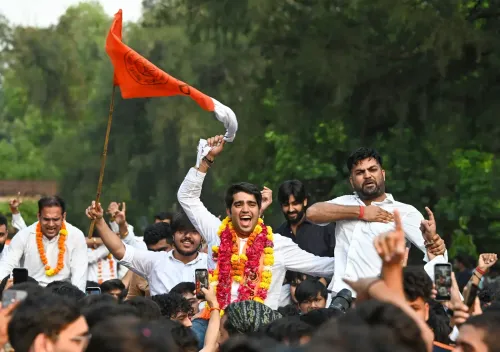
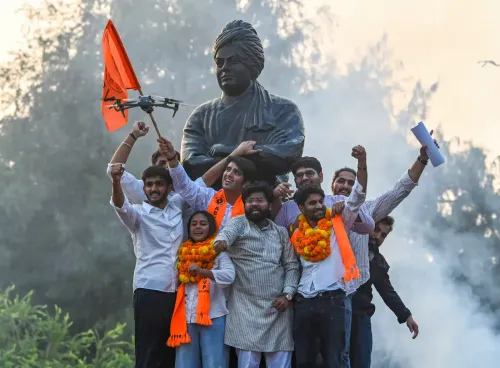
As celebrations erupted at the Student List's headquarters, prominent candidate Radomir Saicic — a professor at the University of Belgrade and a member of the Serbian Academy of Sciences and Arts — declared a historic triumph. 'Tonight the voice of the people is heard,' he said. 'This is a victory of courage over fear, a victory of hope over apathy, a victory of faith that Serbia can and must be different... This victory is no one's personal trophy. It belongs to all of us.'
Saicic urged supporters to celebrate peacefully and with dignity, calling on citizens not to fall for provocations or enter into conflicts, and stressing that the electoral will of the public 'must be respected without exception.'
What Comes Next for Serbia
Sunday's vote determined all 250 seats in Serbia's parliament, and the Student List's projected majority places it in a position to form a single-party government — a rare and striking outcome for a movement that began outside formal politics. Separately, a new presidential election is required by the end of December 2026, following Vucic's resignation from the presidency on 27 September to contest the parliamentary poll. The new government will face immediate pressure to deliver on its anti-corruption mandate, with institutional reform and judicial independence likely to top the agenda.
Point of View
He controlled the narrative of an orderly democratic transfer rather than a messy rout. Yet the scale of the SNS defeat is unmistakable, and attributing it to 'foreign support' rather than domestic anger over the Novi Sad tragedy and 14 years of accumulated grievances is a deflection that his own base is unlikely to fully accept. For Europe, a student movement forming a single-party government is an extraordinary test case — reform governments born of protest energy have historically struggled to translate moral authority into durable institutional change. The real story begins the morning after the victory speech.
NationPress
26 Oct 2026
Frequently Asked Questions
What happened in Serbia's 2026 parliamentary election?
The student-backed electoral list 'Student List — Students Win' won approximately 52% of the vote in Serbia's snap parliamentary election on 26 October 2026, securing a projected majority of 135 to 140 seats in the 250-seat parliament. Former President Aleksandar Vucic conceded defeat, ending the Serbian Progressive Party's 14-year hold on power.
Why did the student movement emerge in Serbia?
The movement grew out of nearly two years of anti-corruption protests and university blockades, sparked by the collapse of a railway station canopy in Novi Sad in November 2024 that killed 16 people. The tragedy became a focal point for public anger over institutional corruption and demands for government accountability.
Who is leading the victorious Student List?
The Student List is formally headed by Novi Sad university professor Ilija Srdanovic. Prominent candidate Radomir Saicic, a University of Belgrade professor and member of the Serbian Academy of Sciences and Arts, emerged as one of the most visible faces of the victory, delivering the movement's acceptance statement.
What did Aleksandar Vucic say after the election?
Vucic conceded before official results were announced, stating: 'It is clear that we have lost these elections.' He attributed the defeat partly to foreign support for the protest movement, calling the result a 'verification of a revolution,' and pledged his bloc would continue from the opposition benches.
What happens next in Serbian politics?
With a projected single-party majority, the Student List is positioned to form a government focused on institutional reform and anti-corruption measures. A separate presidential election is also required by the end of December 2026, following Vucic's resignation from the presidency on 27 September to contest the parliamentary race.