South Korea launches new counterintelligence unit, dismantles 49-year-old DCC
Synopsis
South Korea has dissolved its 49-year-old Defence Counterintelligence Command and replaced it with three new agencies — the most sweeping military intelligence restructuring in the country's modern history. The DCC's involvement in the December 2024 failed martial law bid under former President Yoon Suk Yeol was the final trigger for a reform that critics had long demanded.
Key Takeaways
South Korea's Defence Ministry launched a new counterintelligence agency on Monday, 4 August 2025 , replacing the Defence Counterintelligence Command (DCC) .
The DCC was dissolved 49 years after its establishment, following years of criticism over political overreach.
The new unit will counter espionage and terror from North Korea , protect defence industry secrets, and safeguard AI and satellite technologies.
A separate security support unit and a dedicated national security crimes investigative unit are also being created under the same reform plan.
The DCC's reported role in former President Yoon Suk Yeol's failed martial law attempt on 3 December 2024 accelerated calls for the overhaul.
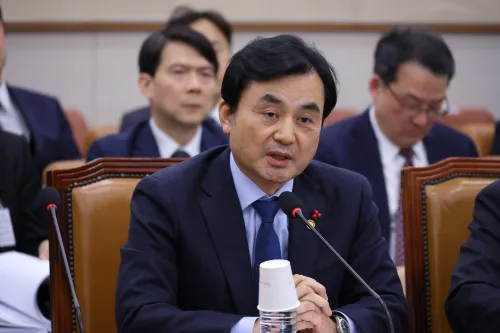
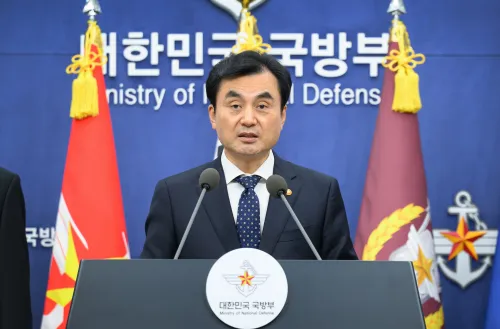
The launch ceremony was held in Gwacheon , attended by Defence Minister Ahn Gyu-back .
South Korea's Defence Ministry on Monday, 4 August 2025, formally launched a new counterintelligence agency to combat espionage and terror threats from North Korea and other adversaries, as part of a sweeping institutional overhaul that dissolves the Defence Counterintelligence Command (DCC) — 49 years after its founding. The move marks the most significant restructuring of South Korea's military intelligence apparatus in decades.
What the New Agency Will Do
The newly established counterintelligence unit is mandated to 'proactively tackle future security threats,' according to a ministry release. It will work in coordination with domestic and foreign partner agencies to counter increasingly covert intelligence operations and terrorist activities linked to North Korea and other state actors.
Among its priority areas is preventing the leak of military secrets within the defence industry. The agency will also provide security support for strategic programmes — including maintenance, repair and overhaul (MRO) operations being conducted in cooperation with the US Navy. Protecting advanced technologies such as artificial intelligence (AI) and satellite systems from cyberthreats has also been flagged as a core responsibility.
Two Additional Bodies Launched Simultaneously
The counterintelligence unit is one of three new bodies being stood up under the reform plan. A separate security support unit was also inaugurated within the ministry on the same day, tasked with overseeing internal military security — including security audits for corps-level units or larger formations and investigations into security breaches.
A third body, a dedicated investigative unit to handle crimes threatening national security — such as espionage, treason, and cybersecurity offences — is also planned under the reform blueprint. The ministry had announced the overall restructuring plan in early June 2025, formally signalling the DCC's dissolution.
The Launch Ceremony
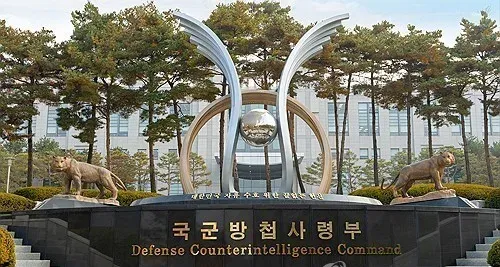
A formal inauguration was held at the former DCC headquarters in Gwacheon, just south of Seoul, and was attended by Defence Minister Ahn Gyu-back along with senior military officials. The venue itself carried symbolic weight — the same building that once housed the command now being replaced.
Why the DCC Was Dismantled
The DCC had long attracted criticism for wielding disproportionate influence through its broad intelligence-gathering mandate, and had faced repeated reform efforts under successive administrations. Its most recent — and most damaging — controversy came from its reported involvement in former President Yoon Suk Yeol's failed martial law imposition on 3 December 2024, which reignited public and political pressure for a fundamental overhaul. Critics argued the command had evolved into an instrument capable of being turned inward against domestic political actors rather than external threats.
What Comes Next
With the DCC's core functions now dispersed across new and existing agencies, South Korea's defence establishment will be watching closely to see whether the restructured architecture delivers sharper operational focus without the political entanglements that plagued its predecessor. The reform is being closely observed by regional security analysts given the persistent threat environment on the Korean Peninsula.
Point of View
The command accumulated influence that repeatedly spilled beyond its counterintelligence mandate — and its reported entanglement in the December 2024 martial law episode made reform politically unavoidable. The real question is whether dispersing functions across three new bodies genuinely reduces the risk of institutional overreach, or merely redistributes it. South Korea's history with intelligence reform suggests that structural change without strong civilian oversight mechanisms tends to produce new versions of old problems. The regional threat environment — with North Korea accelerating its cyber and covert operations — leaves no room for a transition period that sacrifices operational continuity for optics.
NationPress
17 Sept 2026
Frequently Asked Questions
What is the new counterintelligence unit launched by South Korea's Defence Ministry?
It is a newly established agency that replaces the Defence Counterintelligence Command (DCC), dissolved after 49 years. The unit is tasked with countering espionage, terror threats from North Korea and other adversaries, preventing military secret leaks, and protecting advanced technologies such as AI and satellite systems.
Why was the Defence Counterintelligence Command (DCC) dissolved?
The DCC was dissolved following long-standing criticism that it wielded excessive political influence beyond its intelligence mandate. Its reported involvement in former President Yoon Suk Yeol's failed martial law imposition on 3 December 2024 was the immediate trigger that accelerated the reform.
How many new agencies are being created under this reform?
Three new bodies are being established. The counterintelligence agency and a security support unit were both launched on Monday, while a third investigative unit focused on national security crimes such as espionage and treason is also planned under the same blueprint.
Who attended the launch ceremony and where was it held?
The launch ceremony was held at the former DCC headquarters in Gwacheon, just south of Seoul. Defence Minister Ahn Gyu-back and other senior military officials were present.
What specific threats will the new counterintelligence unit focus on?
The unit will focus on covert intelligence activities and terrorist threats from North Korea and other countries, preventing leaks of military secrets in the defence industry, supporting MRO operations with the US Navy, and protecting AI and satellite technologies from cyberthreats.