Should South Korea's Defence Minister Reform Military Intelligence Commands After Martial Law?
Synopsis
South Korea's Defence Minister Ahn Gyu-back calls for urgent reforms to military intelligence organizations following a failed martial law attempt in 2024. This move aims to restore trust and prevent past abuses of power, reflecting a pivotal moment in South Korea's military governance.
Key Takeaways
Significant reforms in military intelligence are being advocated by Defence Minister Ahn Gyu-back.
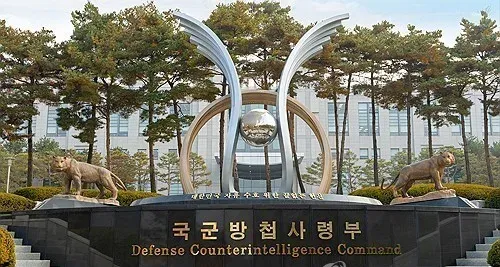
The Defence Counterintelligence Command is under scrutiny for its role in the failed martial law attempt.
A joint investigation is underway regarding North Korea's drone allegations.
The reforms aim to restore public trust and accountability.
The proposed disbanding of the counterintelligence command marks a historic shift.
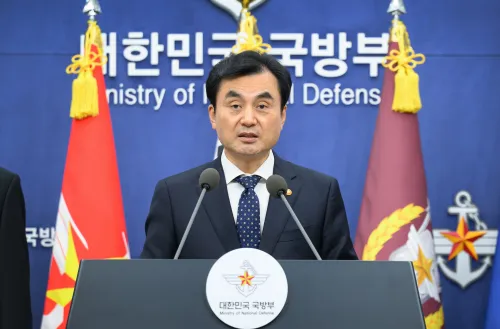
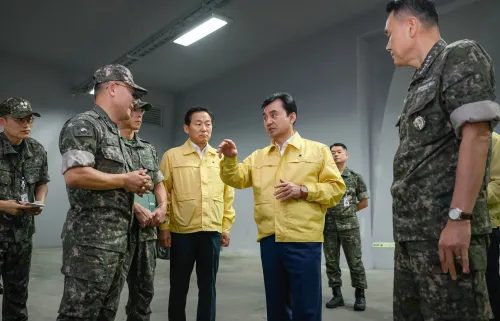
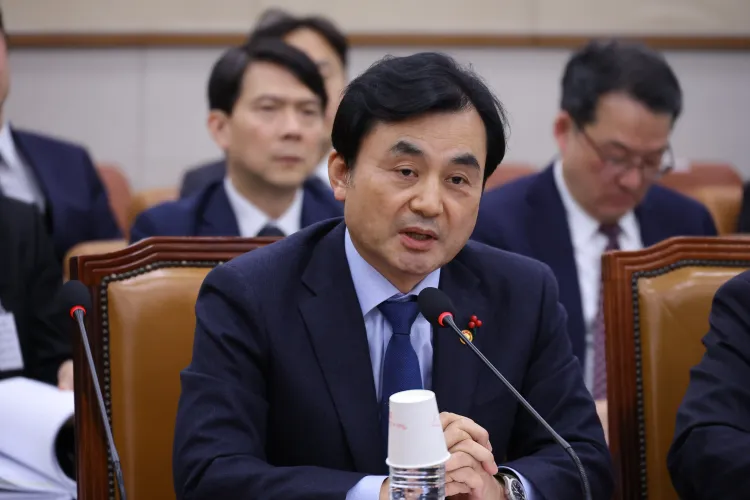
Seoul, Jan 21 (NationPress) South Korea's Defence Minister Ahn Gyu-back on Wednesday advocated for significant reforms within the defence intelligence and investigative units as part of efforts to revamp the military following the failed martial law attempt in late 2024.
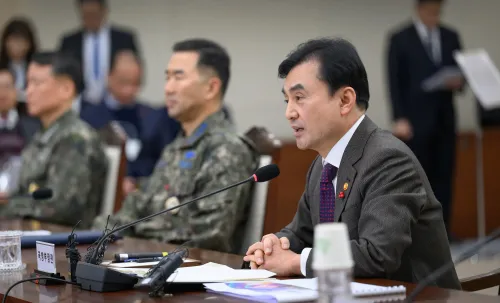
Ahn's remarks came during a policy briefing with the Defence Intelligence Command (DIC), Defence Counterintelligence Command (DCC), and Criminal Investigation Command (CIC), as reported by the ministry and Yonhap News Agency.
He stated, "The mandate assigned to the DCC and military intelligence and investigative agencies is crucial for restoring trust in these institutions," urging the counterintelligence to "fully detach from its previous actions."
The command is believed to have been instrumental in the brief martial law declaration by former President Yoon Suk Yeol in late 2024. The former commander is currently facing trial for allegedly deploying troops to the National Assembly and the National Election Commission on the night when martial law was declared, December 3, 2024.
There are also allegations that it coordinated the detention of approximately 10 prominent politicians, including leaders from both the ruling and opposition parties and the National Assembly speaker.
Ahn highlighted the need for the DIC to implement measures that would prevent the organization from being used as "a political tool" or misusing its intelligence functions.
Earlier this month, a special advisory committee recommended the disbanding of the counterintelligence command, which would mark its dissolution after 49 years.
Additionally, Ahn instructed Brigadier General Park Jung-hun, acting director of the CIC, to "conduct a thorough investigation without any suspicion" regarding allegations of drone incursions made by North Korea, as per the ministry's statements.
A joint military-police investigation commenced last week after North Korea alleged that South Korea violated its sovereignty through drone incursions in September. On January 4, South Korea's military denied any involvement, stating it does not operate the drone models in question.
Point of View
I recognize the importance of South Korea's military reform in restoring public trust and ensuring accountability. The recent call by Defence Minister Ahn Gyu-back represents a crucial step towards addressing past abuses and improving governance within military intelligence. It is essential for the nation to prioritize reforms that uphold democratic principles.
NationPress
15 Oct 2026
Frequently Asked Questions
What prompted the call for military intelligence reform in South Korea?
The call for reform was prompted by the failed martial law attempt in late 2024, which raised serious concerns about the role of military intelligence commands.
Who is leading the reform efforts?
Defence Minister Ahn Gyu-back is leading the reform efforts, advocating for a complete overhaul of military intelligence and investigative units.
What are the potential consequences of these reforms?
The reforms aim to restore trust in military institutions and ensure they are not misused for political purposes, potentially leading to a more accountable military framework.
What allegations are surrounding the Defence Counterintelligence Command?
The DCC is alleged to have played a significant role in the martial law declaration and is accused of coordinating the detention of key political figures.
What actions are being taken regarding North Korea's drone allegations?
A joint military-police investigation has been initiated to address North Korea's claims of drone incursions, with Defence Minister Ahn calling for a thorough inquiry.