South Korea FM Cho Hyun to visit Philippines for ASEAN ministerial meetings
Synopsis
South Korean Foreign Minister Cho Hyun heads to Manila for a packed two-day ASEAN diplomatic sprint — but the real wildcard is North Korea. After skipping the ARF for the first time in 25 years in 2024, Pyongyang is reportedly 'leaning toward' another no-show, a signal that could redefine the forum's relevance as a rare multilateral channel to the North.
Key Takeaways
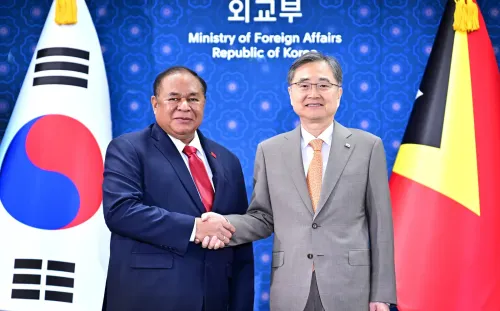
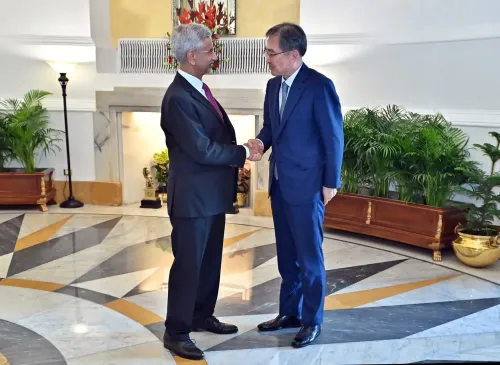
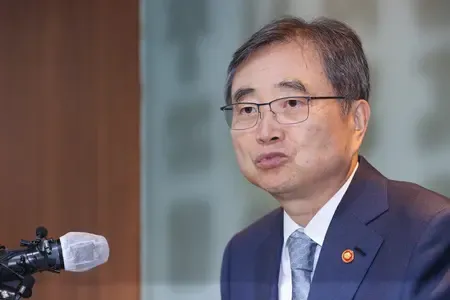
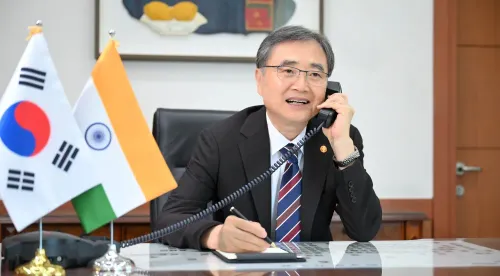
South Korean Foreign Minister Cho Hyun will visit the Philippines from 22 July for two days of ASEAN-related ministerial meetings.
Cho will co-chair the 29th ASEAN–Republic of Korea Foreign Ministers' Meeting with Thailand and hold bilateral talks with the Philippines , this year's ASEAN chair.
He will also attend the ASEAN Plus Three , ARF , and EAS Foreign Ministers' Meetings.
Seoul aims to deepen cooperation in AI , cultural industries, and regional supply chain resilience in energy and food security.
North Korea skipped the ARF for the first time in 25 years in 2024; sources suggest it may skip again in 2025 , though no final decision has been confirmed.
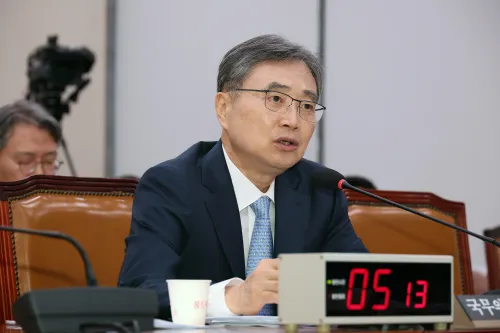
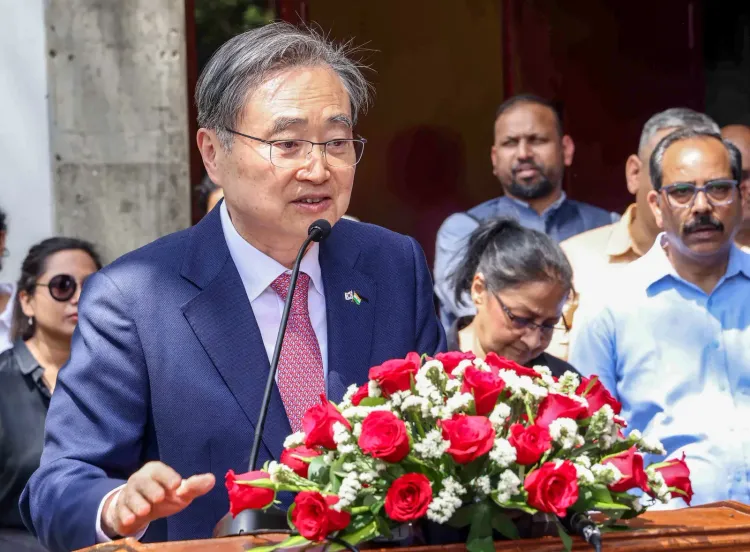
South Korean Foreign Minister Cho Hyun is set to visit the Philippines from 22 July for a two-day series of ASEAN-related ministerial meetings, South Korea's foreign ministry confirmed on Tuesday, 14 July. The visit aims to advance Seoul's comprehensive strategic partnership with ASEAN and address pressing regional and global issues.
Key Meetings on the Agenda
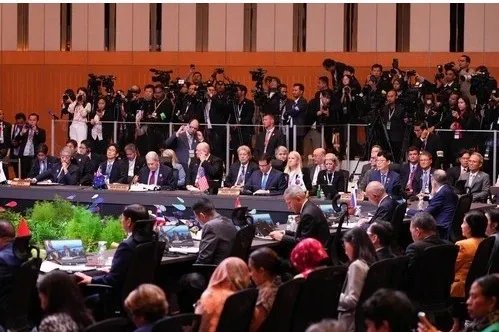
During the visit, Cho will co-chair the 29th ASEAN–Republic of Korea Foreign Ministers' Meeting alongside Thailand and hold bilateral talks with his counterpart from the Philippines, this year's ASEAN chair, as well as other regional counterparts. He is also scheduled to attend the ASEAN Plus Three Foreign Ministers' Meeting — which includes Japan and China — the ASEAN Regional Forum (ARF) Foreign Ministers' Meeting, and the East Asia Summit (EAS) Foreign Ministers' Meeting.
What South Korea Hopes to Achieve
Ministry spokesperson Park Il, speaking at a press briefing, outlined Seoul's objectives: 'Through the meetings, Cho plans to advance the implementation of our vision for the comprehensive strategic partnership with ASEAN and discuss ways to strengthen practical cooperation in artificial intelligence (AI) and cultural and creative industries, among other fields.'
Under the ASEAN Plus Three framework, Cho is expected to explore avenues with Japan and China to enhance regional supply chain resilience, particularly in energy and food security. Seoul also intends to reaffirm its commitment to contributing to regional security efforts and will seek ASEAN's continued support for its policy toward the Korean Peninsula.
North Korea's Participation Uncertain
A notable subplot heading into the ARF is whether North Korea will send a high-level delegation. At last year's forum in Malaysia, Pyongyang notably did not dispatch its delegation — the first such absence in 25 years. North Korea joined the ARF in 2000, six years after the forum's launch, and had previously been represented by senior diplomats or ambassadors stationed across Southeast Asia.
A source familiar with the matter said there are indications that North Korea 'may be leaning toward skipping this year's forum,' though no final decision appears to have been made. The question carries significant diplomatic weight, given that the ARF has historically served as one of the few multilateral platforms where Pyongyang engages with the broader international community.
Broader Context
The Manila meetings come at a moment of heightened diplomatic activity across the Indo-Pacific, with regional powers calibrating their positions on supply chain diversification, AI governance, and security architecture. For South Korea, the ASEAN engagement is part of a broader push to deepen its strategic footprint in Southeast Asia beyond traditional trade ties. The outcome of Cho's bilateral conversations — particularly with the Philippines as ASEAN chair — could shape the agenda for the bloc's summit later this year.
Point of View
However, is North Korea's posture toward the ARF. A second consecutive no-show would confirm that Pyongyang has effectively withdrawn from the one multilateral forum where it had even minimal engagement, narrowing diplomatic off-ramps at a sensitive juncture. Mainstream coverage tends to focus on the bilateral handshakes; the North Korea question deserves equal, if not greater, attention.
NationPress
14 Jul 2026
Frequently Asked Questions
Why is South Korean Foreign Minister Cho Hyun visiting the Philippines?
Cho Hyun is visiting the Philippines from 22 July to attend a series of ASEAN-related ministerial meetings, including the 29th ASEAN–Republic of Korea Foreign Ministers' Meeting, the ASEAN Plus Three meeting, the ARF, and the EAS Foreign Ministers' Meeting. The visit aims to advance Seoul's strategic partnership with ASEAN and discuss cooperation in AI, cultural industries, and regional supply chain resilience.
What is the ASEAN Plus Three framework?
The ASEAN Plus Three framework brings together the ten ASEAN member states with Japan, China, and South Korea to coordinate on regional economic and security issues. At this year's meeting, South Korea plans to explore ways to strengthen supply chain resilience in energy and food security with Japan and China.
Will North Korea attend the ASEAN Regional Forum in 2025?
It is uncertain. A source familiar with the matter indicated that North Korea 'may be leaning toward skipping this year's forum,' though no final decision has been confirmed. North Korea skipped the ARF in 2024 — its first absence in 25 years since joining the forum in 2000.
What does South Korea want from ASEAN on the Korean Peninsula issue?
Seoul is seeking ASEAN's continued support for its government's policy toward the Korean Peninsula. South Korea views ASEAN's political backing as important diplomatic leverage in its broader approach to inter-Korean relations and regional security.
Which country is chairing ASEAN in 2025?
The Philippines is the ASEAN chair in 2025. Foreign Minister Cho Hyun is scheduled to hold bilateral talks with his Philippine counterpart during the Manila visit.