South Korea PM Han sees no major shift in US alliance after Trump midterm loss
Synopsis
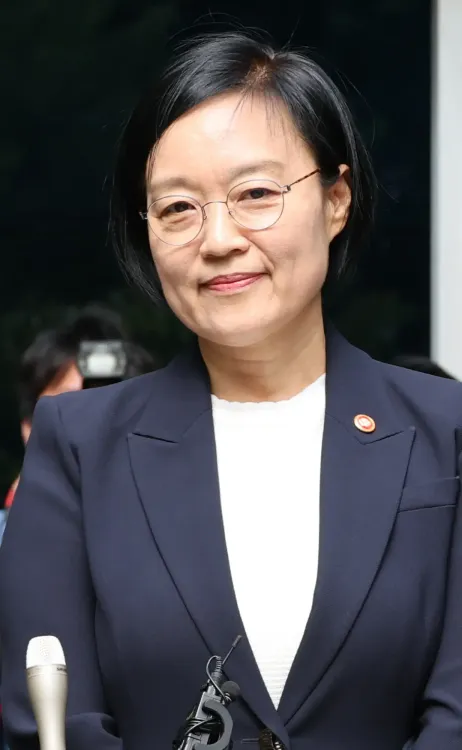
South Korean Prime Minister Han Seong-sook is sending a steady-as-she-goes signal to Seoul's most critical ally: the Korea-US alliance will weather the Republican midterm defeat intact, because both US parties have always backed it. The message is calibrated reassurance — but it also reveals how closely South Korea watches every shift in Washington's political winds.
Key Takeaways
South Korean PM Han Seong-sook said on Thursday she expects no major shift in the South Korea-US alliance following the Republican midterm defeat.
Han noted that the Democratic Party 's victory was 'stronger than expected' and said relevant ministries are reviewing implications.
In September , Han met US Ambassador Michelle Steel and pushed for expanded cooperation in shipbuilding, semiconductors, and AI .
Ambassador Steel described the alliance as 'blood-forged' and pledged to build a 'stronger' partnership during her tenure.
Steel reaffirmed the alliance in a post on X , calling it 'deep and unwavering.'
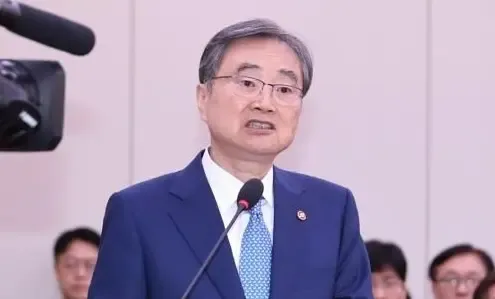
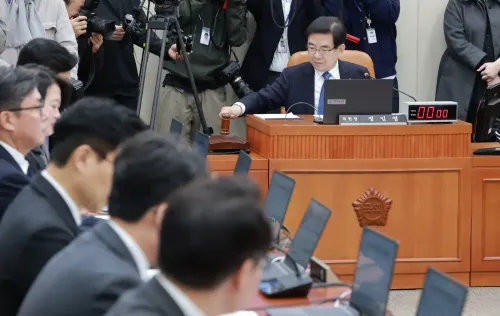
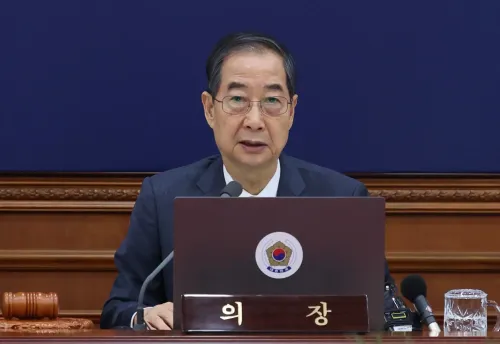
South Korean Prime Minister Han Seong-sook on Thursday said she expects no significant changes in the South Korea-US alliance following US President Donald Trump's Republican Party's decisive defeat in this week's midterm elections, noting that the Democratic Party equally values the bilateral partnership. The remarks came during a parliamentary budget committee meeting in Seoul, where Han was asked to assess the election outcome and its implications for South Korean diplomacy.
Han's Assessment of the Midterm Results
'As both the Democratic and Republican parties have considered the alliance between the two countries important, I think there will not be very big changes in relations with South Korea,' Han told lawmakers. She acknowledged that the Democratic Party's victory margin was 'stronger than expected,' and indicated that individual aspects of the results would require detailed analysis and potentially additional diplomatic measures.
Han added that each relevant ministry was currently reviewing the implications, signalling a methodical whole-of-government response to the shifting political landscape in Washington.
Background: September Bilateral Meeting
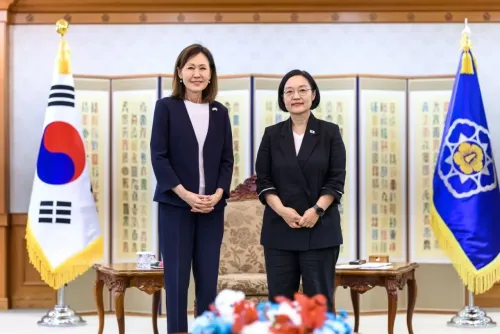
The Prime Minister's remarks build on a foundation laid in September, when she met with US Ambassador to South Korea Michelle Steel to discuss expanding bilateral cooperation across multiple sectors. During that meeting, Han underscored how the partnership had grown well beyond its security origins into domains such as the economy and culture. She specifically called for deeper collaboration in shipbuilding, semiconductors, and artificial intelligence, and urged Ambassador Steel to actively advance bilateral ties during her tenure.
Steel, who was born in Seoul, responded by pledging to build a 'stronger' alliance through enhanced cooperation in security and investment, describing the partnership as 'blood-forged,' according to Han's office. Steel also remarked on South Korea's remarkable economic growth and rising global cultural influence since she left the country decades ago.
Ambassador Steel's Reaffirmation on X
Following the September meeting, Ambassador Steel posted on X: 'Today, I met with Prime Minister Han Seong Sook and reaffirmed the deep and unwavering ROK-US alliance. I look forward to continued close cooperation in the future for our two countries' shared priorities.' She added that the alliance was 'deep and enduring' and expressed optimism about continued cooperation on shared priorities going forward.
Why This Matters for the Region
The Korea-US alliance is one of the cornerstones of Indo-Pacific security architecture, and any shift in its tone or scope carries implications well beyond the Korean Peninsula. This comes amid ongoing concerns over North Korea's weapons programme and broader great-power competition in the region. Notably, the Democratic Party's strong midterm showing potentially strengthens the hand of lawmakers who have backed robust US security commitments in Asia — a signal Seoul appears to have read with cautious reassurance.
The diplomatic messaging from Seoul will be closely watched in coming weeks as Washington's new congressional leadership takes shape and the two governments begin recalibrating their engagement strategy for the year ahead.
Point of View
Areas of genuine friction with Seoul. The Korean government's decision to keep 'each relevant ministry' reviewing the results quietly acknowledges that the full picture is more complex than the headline suggests. Watch the semiconductor and shipbuilding cooperation language — those are the pressure points where post-midterm US industrial policy could diverge sharply from South Korean interests.
NationPress
5 Nov 2026
Frequently Asked Questions
What did South Korean PM Han Seong-sook say about the Korea-US alliance after the US midterms?
PM Han said she expects no major changes in the South Korea-US relationship, as both the Democratic and Republican parties have historically valued the alliance. She made the remarks during a parliamentary budget committee meeting on Thursday, following the Republican Party's decisive midterm defeat.
Why does the US midterm result matter for South Korea?
The Korea-US alliance underpins South Korean security, particularly in the face of North Korea's weapons programme and regional great-power competition. A shift in Washington's political balance can affect defence commitments, trade terms, and cooperation on advanced industries like semiconductors and shipbuilding.
What was discussed during PM Han's meeting with US Ambassador Michelle Steel?
In September, PM Han and Ambassador Steel discussed expanding bilateral cooperation beyond security into the economy and culture, with Han specifically calling for deeper ties in shipbuilding, semiconductors, and artificial intelligence. Steel pledged to build a 'stronger' alliance and described it as 'blood-forged.'
What is South Korea's diplomatic strategy following the US midterms?
Han indicated that each relevant ministry is currently reviewing the results and that specific issues may require additional measures. The government's approach is to analyse the outcome in detail before determining any adjustments to its Washington engagement strategy.
What did Ambassador Michelle Steel post about the Korea-US alliance?
Following her September meeting with PM Han, Ambassador Steel posted on X that she had 'reaffirmed the deep and unwavering ROK-US alliance' and expressed anticipation of continued close cooperation on shared priorities between the two countries.