South Korea holds task force meet on rights of 168,000 overseas adoptees
Synopsis
South Korea's presidential task force met on 11 November to address the rights of an estimated 168,000 overseas adoptees — following a Truth Commission finding that half a century of lax oversight enabled document fabrication and abuse. With a presidential apology already on record, the government is now under pressure from adoptee groups to deliver on DNA-tracing services, nationality restoration and formal relief — turning official acknowledgement into concrete redress.
Key Takeaways
South Korea's presidential task force met on 11 November 2026 to advance rights protections for an estimated 168,000 overseas Korean adoptees.
The meeting was chaired by Second Deputy National Security Adviser Lim Woong-soon and reviewed nationality restoration, family-tracing services and adoption document management.
The Truth and Reconciliation Commission recognised dozens of adoptees as victims of human rights violations in March last year , citing document fabrication and inadequate vetting of adoptive parents.
President Lee Jae Myung issued a public apology for adoptees' suffering via a Facebook post in October last year .
IKAA President Tommy Gentzel urged the government to provide DNA testing support and actionable reconciliation steps.
First Lady Kim Hea Kyung addressed an IKAA Seoul gathering in October , expressing hope that adoptees would reconnect with South Korea.
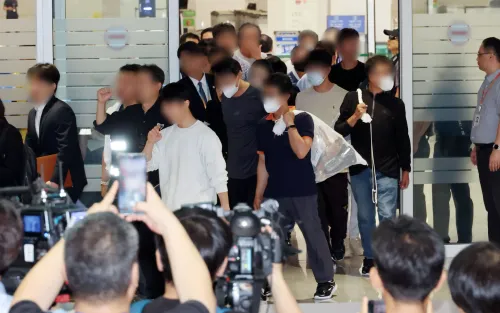
South Korea's presidential office convened a high-level task force meeting on Wednesday, 11 November 2026, to deliberate on concrete measures to protect the rights of an estimated 168,000 Korean adoptees living abroad and to address the range of grievances they have raised over decades. The session signals a deepening governmental commitment to a reckoning that has been building since the state's own reconciliation body formally acknowledged systemic wrongdoing.
Key Developments at the Meeting
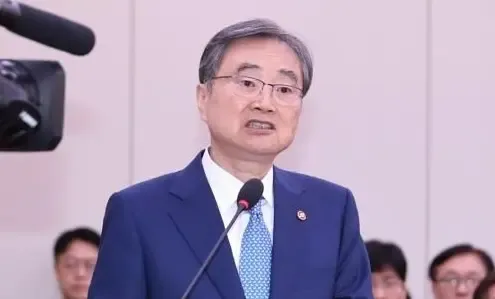
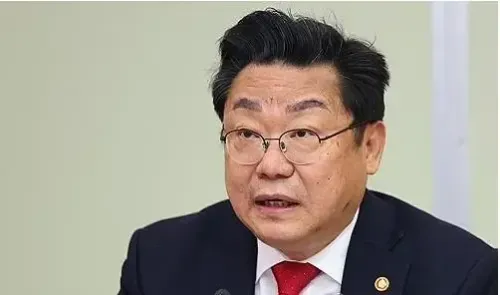
Second Deputy National Security Adviser Lim Woong-soon chaired the gathering of the presidential task force on overseas Koreans. Agenda items included pan-government procedures for managing adoption documents, restoring adoptees' South Korean nationality, and providing services to help them locate biological families and resettle in South Korea if they choose. The meeting also reviewed pathways for improving the broader adoption-related information system.
What the Truth Commission Found
The session built on conclusions reached by the Truth and Reconciliation Commission, which in March last year officially recognised dozens of adoptees — responding to complaints from hundreds worldwide — as victims of human rights violations. The commission found that lax government oversight across the half-century history of overseas Korean adoptions had enabled serious abuses, including the fabrication of documents falsely identifying children as orphans and inadequate vetting of prospective adoptive parents. The commission formally recommended an official state apology, relief measures, and improvements to how adoption-related information is disclosed and managed.
Presidential and Government Signals
South Korean President Lee Jae Myung issued a public apology in a Facebook post in October last year, acknowledging the suffering experienced by overseas adoptees and pledging stronger rights protections. More recently, First Lady Kim Hea Kyung addressed the opening ceremony of a Seoul gathering of the International Korean Adoptee Associations (IKAA) in October, telling attendees: 'South Korea may be viewed differently by each of you. To some, it may be a foreign country. To others it may be a homeland longed for.' She expressed hope that adoptees would 'grow closer to the homeland and create valuable new connections.'
IKAA Calls for Concrete Action
IKAA President Tommy Gentzel said that relations between Korean adoptees and South Korea carry 'unlimited potential,' but stressed that recognising past suffering and taking steps toward reconciliation are preconditions for that potential to be realised. Gentzel called on South Korea and relevant institutions to provide necessary resources — including DNA testing support — to help adoptees trace their biological families. This comes amid broader global attention to the ethics and legacies of international adoption programmes, many of which operated with minimal oversight in the second half of the 20th century.
What Happens Next
The government is expected to follow through on implementing the Truth and Reconciliation Commission's recommendations, with Wednesday's meeting reviewing progress to date. Advocates, including IKAA, are pressing for timelines on DNA-matching services, nationality restoration and formal relief measures. The scale of the affected population — 168,000 people spread across multiple continents — makes this one of the largest post-adoption rights initiatives in modern history.
Point of View
And Wednesday's meeting is still reviewing 'progress in implementation' — a phrase that can mask slow delivery. With 168,000 people affected across multiple countries and adoptee associations explicitly demanding DNA-matching infrastructure and timelines, the government faces reputational risk if the process stalls in bureaucratic review. The harder question — whether a formal reparations framework will follow the apology — remains unanswered.
NationPress
11 Nov 2026
Frequently Asked Questions
What was decided at South Korea's presidential task force meeting on Korean adoptees?
The meeting on 11 November 2026 reviewed government procedures for managing adoption documents, restoring adoptees' South Korean nationality, and providing family-tracing and resettlement services. It also assessed progress in implementing recommendations made by the Truth and Reconciliation Commission.
What did South Korea's Truth and Reconciliation Commission find about overseas adoptions?
The commission found that lax government oversight across a half-century of overseas Korean adoptions enabled human rights violations, including the fabrication of documents falsely identifying children as orphans and inadequate assessment of prospective adoptive parents. In March last year, it officially recognised dozens of adoptees as victims and recommended a state apology, relief measures and systemic reforms.
How many Korean adoptees live overseas?
According to the presidential office, an estimated 168,000 Korean adoptees are living abroad. They are spread across multiple countries and have organised internationally through bodies such as the International Korean Adoptee Associations (IKAA).
Has the South Korean president apologised to overseas adoptees?
Yes. President Lee Jae Myung issued a public apology in a Facebook post in October last year, acknowledging the suffering experienced by overseas adoptees and committing to stronger efforts to protect their rights.
What is the IKAA asking the South Korean government to do?
IKAA President Tommy Gentzel has called on South Korea and relevant institutions to formally recognise adoptees' suffering, take concrete steps toward reconciliation, and provide resources — including DNA testing — to help adoptees find their biological families.