South Korea weighs life without parole in public safety crackdown
Synopsis
South Korea is revisiting a previously failed bid to strip parole rights from the most dangerous offenders, with President Lee Jae Myung directing a government-wide crackdown after a woman under police protection was killed in Jeju. A 2023 bill on the same measure died in the National Assembly — the question now is whether public outrage gives it a second life.
Key Takeaways
South Korea's presidential office confirmed on 15 November 2026 it is considering life imprisonment without parole for heinous crimes.
Presidential chief of staff Lim Kwang-hyun said a new public safety patrol unit is also under discussion.
The initiative follows President Lee Jae Myung's Cabinet instructions to concentrate government resources on protecting vulnerable citizens.
A similar bill was approved by the Cabinet in 2023 but failed to pass the National Assembly before its term expired in May 2024 .
Under current law, inmates serving life sentences can apply for parole after 20 years ; the proposed reform would eliminate that option for the worst offenders.
The renewed push follows the killing of a woman on Jeju island who was under police protection after reporting stalking and dating violence.
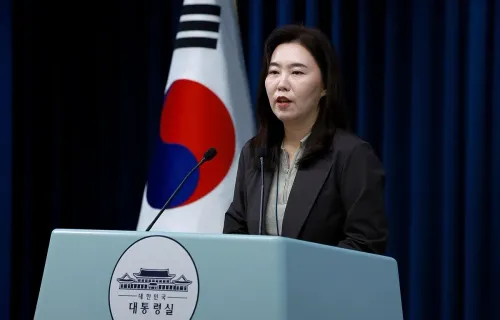
South Korea's presidential office announced on Sunday, 15 November 2026, that the government is weighing the introduction of life imprisonment without parole as part of a sweeping public safety initiative aimed at protecting vulnerable citizens from violent and predatory crimes. The measure, confirmed by presidential chief of staff Lim Kwang-hyun, reflects instructions from President Lee Jae Myung to marshal government-wide resources for public protection.
What the Initiative Covers
The proposed crackdown targets crimes against socially vulnerable people, including relationship-based violence, apparently random-motive attacks, financial scams, illegal drugs, illegal private lending, digital sex crimes, and the spread of false or fabricated information. Officials say the breadth of the initiative signals a deliberate pivot from reactive policing to systemic deterrence.
Authorities are also reportedly considering establishing a new public safety patrol unit to complement sentencing reforms. Lim said at a briefing that in cases involving economic harm exploiting people's desperate circumstances, the government would 'pursue those responsible even overseas, dismantle the criminal operations at their source and block criminal proceeds.'
The Jeju Case That Renewed Urgency
The announcement comes amid heightened public anger over a series of high-profile relationship-based violence cases. Most recently, a woman on the southern resort island of Jeju was killed last month while under police protection — she had reported stalking and dating violence before her death. The alleged perpetrator reportedly told police she was his former lover. Critics argue the case exposed critical gaps in protective custody protocols.
The Legislative History Behind the Proposal
The push to introduce life imprisonment without parole is not entirely new. In 2023, the Cabinet approved a bill to amend the Criminal Act that would have allowed courts to distinguish between life sentences with and without the possibility of parole — a measure intended to permanently isolate perpetrators of heinous crimes from society. The bill, however, failed to pass the 21st National Assembly before its term expired in May 2024.
Under current South Korean law, inmates serving life sentences may be considered for parole after completing 20 years. The proposed reform would remove that option for the most serious offenders.
What Happens Next
The government has not yet set a formal legislative timeline. Any new bill would need to clear the National Assembly, where passage has previously proved difficult. With public sentiment sharpened by recent cases, the political calculus may have shifted — but opposition parties and legal scholars are expected to scrutinise the scope and safeguards of any no-parole provision.
Point of View
But legislative inertia buries them. The Jeju case is the latest in a pattern where women under active police protection are killed — suggesting the enforcement gap, not just sentencing, is the more urgent fix. A no-parole provision may satisfy a punitive public impulse without addressing why protective orders are failing in the field. The National Assembly's track record on this exact bill should temper any optimism about swift passage.
NationPress
15 Nov 2026
Frequently Asked Questions
What is South Korea's proposed life imprisonment without parole?
It is a sentencing reform under consideration by South Korea's presidential office that would allow courts to impose life sentences with no possibility of parole for the most heinous crimes. Under current law, life-sentence inmates can seek parole after serving 20 years.
Why is South Korea revisiting this proposal now?
President Lee Jae Myung directed the government to prioritise public safety following a series of high-profile violent crimes, including the killing of a woman on Jeju island who was under police protection after reporting stalking and dating violence. The case intensified public pressure for stricter deterrents.
Has this legislation been attempted before?
Yes. In 2023, the Cabinet approved a bill to amend the Criminal Act to introduce no-parole life sentences, but it failed to pass the 21st National Assembly before its term expired in May 2024. The current initiative represents a renewed push under a new administration.
What other crimes does the public safety initiative target?
Beyond violent relationship-based crimes, the initiative covers random-motive attacks, financial scams, illegal drugs, illegal private lending, digital sex crimes, and the spread of false or fabricated information — offences the government says disrupt daily life and threaten public order.
What happens next with the proposal?
No formal legislative timeline has been announced. The government must introduce a new bill to the National Assembly, where previous attempts stalled. Legal scholars and opposition parties are expected to debate the scope and safeguards of any no-parole provision.