South Korea's Lee Jae Myung pledges 'life-saving' govt at Buddha's Birthday
Synopsis
At a nationally prominent Buddhist ceremony, South Korean President Lee Jae Myung reframed governance as a moral obligation — pledging a 'life-saving' government and invoking the principle of equal human worth. The setting was religious, but the message was unmistakably political: safety, equity, and social cohesion as the pillars of his administration.
Key Takeaways
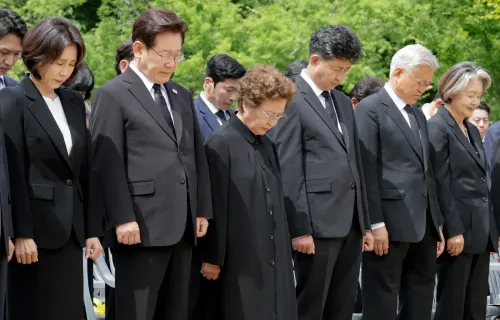
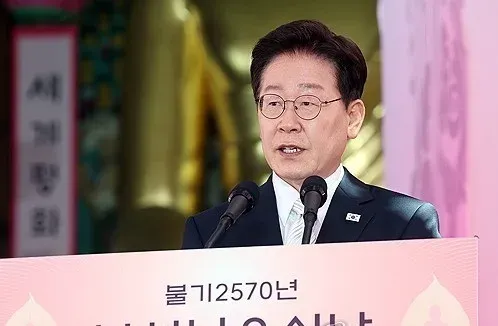
President Lee Jae Myung attended the Buddha's Birthday ceremony hosted by the Jogye Order of Korean Buddhism in Seoul on Sunday, 25 May 2025 .
Lee pledged to build a government that 'saves people's lives' and treats every citizen as equally worthy.
His administration has increasingly focused on public safety policies, including responses to stalking crimes .
Lee called for national unity, urging 'co-existence and shared prosperity' over individualism.
He drew on Buddhist history, noting that temple lanterns 'never went out' even through war, poverty, and disaster.
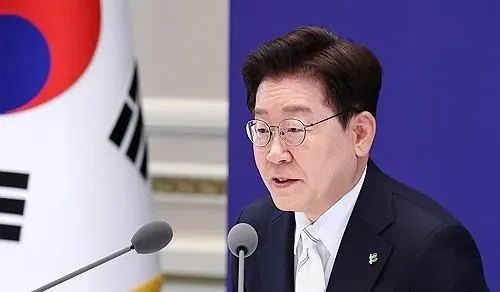
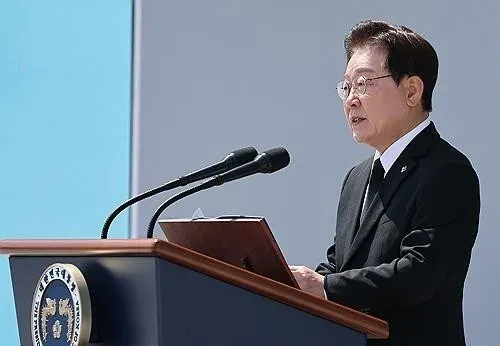
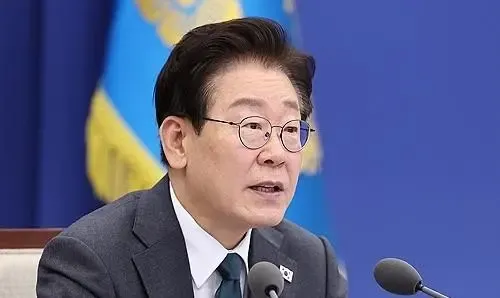
South Korean President Lee Jae Myung on Sunday, 25 May 2025, pledged to build a government that 'saves people's lives' and upholds the principle that every citizen is equally worthy, as he attended a ceremony marking Buddha's Birthday in Seoul. The remarks signal a continued policy shift toward public safety and social welfare as defining priorities of his administration.
What Lee Said at Jogye Temple
Speaking at a ceremony hosted by the Jogye Order of Korean Buddhism at Jogye Temple, Lee outlined his governing vision in terms drawn directly from Buddhist teaching. 'We will build a country that looks after the lives of each and every citizen more carefully and listens to the voices of those at the lowest levels of society,' he said.
'Above all, I will do my utmost to build a government that saves people's lives and put into practice the teaching that all people are equally worthy and equal,' Lee added.
The Broader Policy Context
Lee's address was not merely ceremonial. His administration has increasingly prioritised policies targeting public safety — including legislative and enforcement responses to stalking crimes and other incidents that directly affect daily life. The Buddha's Birthday platform gave him a nationally visible moment to reinforce that commitment.
He invoked the historical resilience of Buddhism in South Korea, noting that 'even at times of war, poverty, disasters and social conflict, the lanterns at Buddhist temples never went out,' adding that they 'allowed people to take a moment to pause and find peace of mind whenever they grew weary of life.'
Call for Unity and Co-existence
Lee used the occasion to appeal for social cohesion, arguing that South Korean society 'urgently needs a spirit of consideration and understanding that embraces different views, as well as a warm-hearted pursuit of co-existence and shared prosperity, rather than every person fending for themselves.'
The remarks come at a moment of continued political polarisation in South Korea, lending the call for unity a pointed subtext beyond its religious framing.
What to Watch
Lee's emphasis on citizen safety and social equity is expected to shape upcoming legislative priorities, particularly around personal safety laws and welfare outreach. How his government translates these ceremonial pledges into concrete policy will be closely watched by both supporters and critics in the months ahead.
Point of View
But critics will note that structural welfare reform and personal safety enforcement require legislative muscle, not just ceremonial intent. The real measure of this speech will come in the next budget cycle and parliamentary session.
NationPress
7 Oct 2026
Frequently Asked Questions
What did South Korean President Lee Jae Myung say at Buddha's Birthday?
Lee pledged to build a government that 'saves people's lives' and upholds the principle that all citizens are equally worthy. He made the remarks at a ceremony hosted by the Jogye Order of Korean Buddhism at Jogye Temple in Seoul.
Why did Lee Jae Myung attend the Buddha's Birthday ceremony?
Lee attended the nationally significant ceremony to reaffirm his administration's commitment to public welfare and social equity. The event, hosted by the Jogye Order of Korean Buddhism, provided a prominent platform to communicate his governing priorities.
What policies has Lee Jae Myung prioritised as South Korean President?
Lee's administration has increasingly focused on public safety, including addressing stalking crimes and other incidents affecting daily life. His Buddha's Birthday speech reinforced this direction, framing citizen protection as a central government obligation.
What did Lee say about Buddhism's role in South Korean society?
Lee said Buddhist teachings have helped South Koreans 'heal pain and embrace marginalised neighbours' through crises and sorrow. He noted that temple lanterns 'never went out' even during war, poverty, and disasters, offering people peace of mind.
What is the Jogye Order of Korean Buddhism?
The Jogye Order is the largest Buddhist order in South Korea and the principal organisation of Korean Buddhism. It hosted the official Buddha's Birthday ceremony attended by President Lee in Seoul.