US Supreme Court allows White House ballroom construction to continue
Synopsis
The US Supreme Court has stepped in to keep Donald Trump's $400 million White House ballroom construction alive — at least temporarily. With the project 65 per cent complete and a 250-person crew working around the clock, Chief Justice Roberts' stay freezes lower court orders that would have stopped the work, while the core legal question of whether Trump acted unlawfully by demolishing the East Wing without congressional approval remains wide open.
Key Takeaways
Chief Justice John Roberts issued a temporary stay on Friday , allowing White House ballroom construction to continue pending Supreme Court review.
The $400 million privately funded project was 65 per cent complete as of 14 August , with 250 workers on site 20 hours a day .
A divided DC Circuit Court ruled on 7 August that President Trump unlawfully demolished the East Wing in October 2025 without congressional approval or promised consultations.
The ruling sided with the National Trust for Historic Preservation ; the stay does not address the project's legality.
Several Republicans in Congress have expressed concern about the project despite broader party support for it.
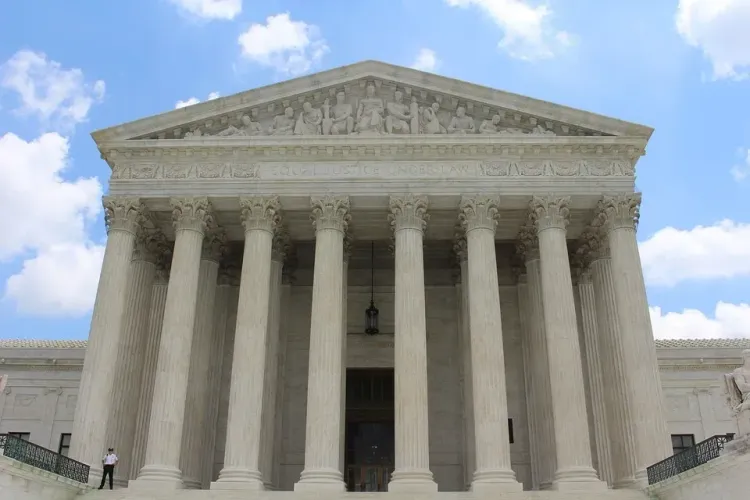
The US Supreme Court on Friday temporarily permitted construction of a $400 million ballroom at the White House to proceed, with Chief Justice John Roberts issuing a stay that freezes lower court orders that would have halted the project. The stay does not address the underlying legality of the construction.
Where the Project Stands
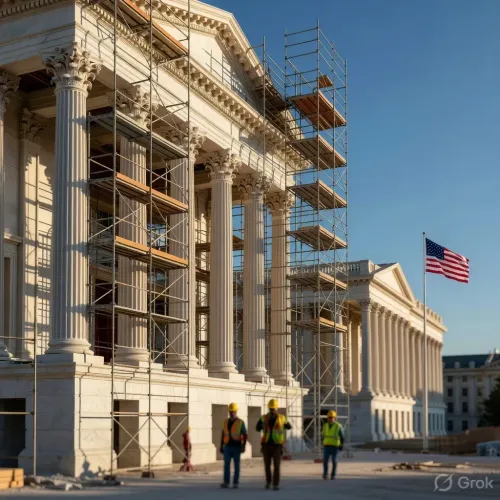
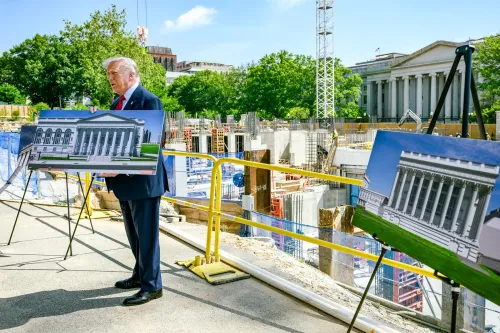
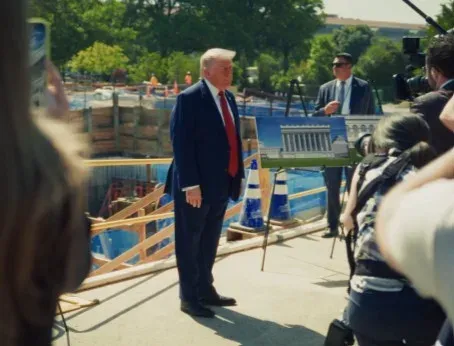
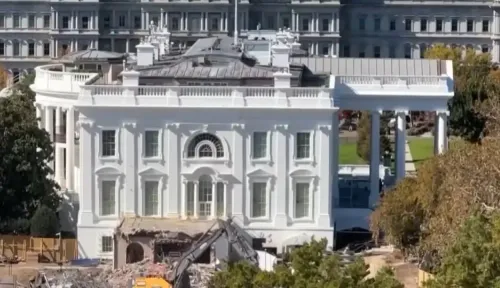
According to court filings submitted by the Trump administration, the privately funded project was 65 per cent complete as of 14 August. A crew of 250 workers has reportedly been operating 20 hours a day, seven days a week to advance the 90,000-square-foot structure.
What the Lower Courts Ruled
The Supreme Court's intervention came two weeks after a divided US Court of Appeals for the District of Columbia Circuit ruled on 7 August that President Donald Trump had been unlawfully constructing the new ballroom. The appeals court sided with the National Trust for Historic Preservation, finding that over just three days in October 2025, the administration 'without undertaking promised consultations or obtaining Congress's permission' demolished the entire East Wing to make way for the project. That court had paused its own ruling for 14 days to allow the administration to seek Supreme Court review.
Political Fault Lines
The ballroom project has drawn support from the White House and many of Trump's congressional allies, but has also generated concern among several Republicans in Congress — a notable fracture within the president's own coalition. Critics have pointed to the absence of congressional oversight over what is a substantial, privately financed alteration to a national landmark.
Trump's Rationale
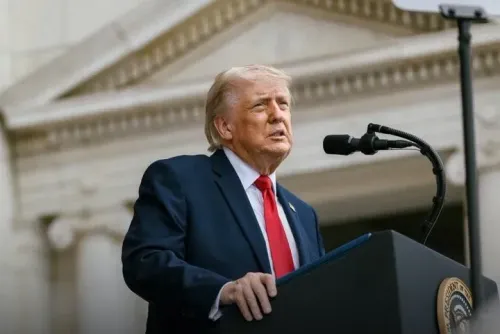
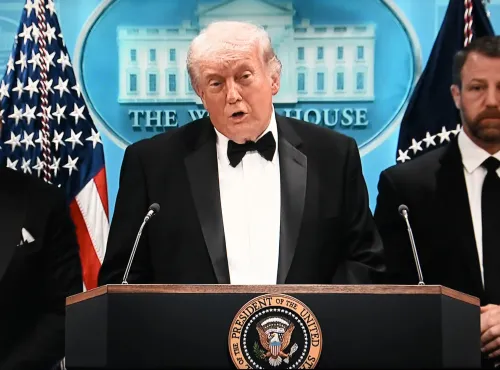
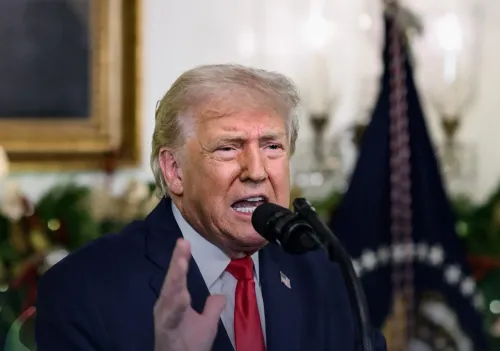
Speaking from the Rose Garden on 7 July, Trump framed the renovation as both a preservation effort and a symbol of national renewal. He argued that the White House — as the country's most recognisable building — should project strength, history, and confidence. Referencing a visit to China, Trump said: 'I was in the Great Hall of China recently... They have a very large ballroom... we're going to have one that tops everything.'
What Comes Next
The Supreme Court's temporary stay keeps construction active while the justices consider whether to take up the case more formally. The central legal question — whether the demolition of the East Wing and the privately funded construction violated federal historic preservation law and congressional authority — remains unresolved. A full ruling could set a significant precedent for executive authority over federally protected structures.
Point of View
Not a vindication — Roberts has simply pressed pause on the lower court's stop-work order while the justices decide whether to hear the case. The deeper issue is whether a president can demolish a federally protected national landmark and replace it with a privately funded structure without congressional authorisation. The DC Circuit's finding that Trump acted unlawfully in October 2025 — bypassing both promised consultations and Congress — is the live legal thread. That even some Republicans have raised concerns suggests this is not purely a partisan fight but a genuine separation-of-powers question. If the Supreme Court ultimately takes the case, its ruling could redefine the boundaries of executive control over federally protected public property.
NationPress
6 Oct 2026
Frequently Asked Questions
What did the US Supreme Court decide about the White House ballroom?
The Supreme Court temporarily allowed construction of the White House ballroom to continue. Chief Justice John Roberts issued a stay freezing lower court orders that would have stopped the project, without ruling on whether the construction is legal.
Why did a federal court rule against the White House ballroom project?
The US Court of Appeals for the DC Circuit ruled on 7 August that President Trump unlawfully demolished the White House East Wing in October 2025 without congressional permission or the promised historic preservation consultations. The court sided with the National Trust for Historic Preservation.
How far along is the White House ballroom construction?
According to Trump administration court filings, the project was 65 per cent complete as of 14 August. A 250-person crew has been working 20 hours a day, seven days a week on the 90,000-square-foot, $400 million structure.
Who is funding the White House ballroom?
The ballroom is privately funded, with no congressional appropriation. Critics, including some Republicans, have raised concerns about the absence of congressional oversight over a major structural change to a national landmark.
What happens next in the White House ballroom legal case?
The Supreme Court's stay keeps construction active while the justices decide whether to formally take up the case. The central legal question — whether the demolition and construction violated federal historic preservation law and congressional authority — remains unresolved.