Taiwan launches 5-day combat readiness drill amid China threat
Synopsis
Taiwan has put its armed forces through a live five-day combat readiness drill — the clearest signal yet that Taipei is treating China's gray-zone escalation as a genuine precursor to conflict. With G7 backing secured and President Lai publicly daring Beijing to choose peace, the exercise is as much a political statement as a military one.
Key Takeaways
Taiwan's military launched a five-day 'Immediate Combat Readiness Exercise' on 22 June 2026 , running through 27 June .
The drill is designed to accelerate the transition from peacetime to wartime operations at all military unit levels.
CM32, CM33, and CM34 'Clouded Leopard' armoured vehicles and FICS vehicles were deployed along Provincial Highway 31 in Taoyuan .
China has increased the frequency and scale of military exercises around Taiwan in recent years, asserting the island is part of its territory.
President Lai Ching-te on 18 June urged China to stop military expansion and choose peace over force.
The G7 has reaffirmed opposition to any unilateral, forcible change to the status quo across the Taiwan Strait .
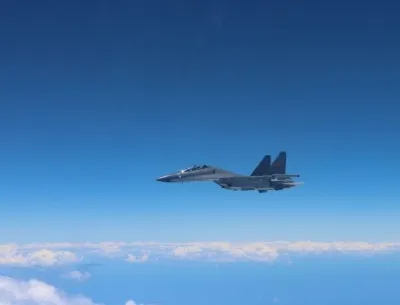
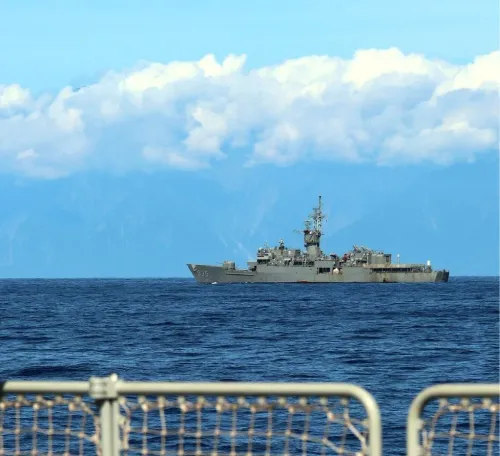
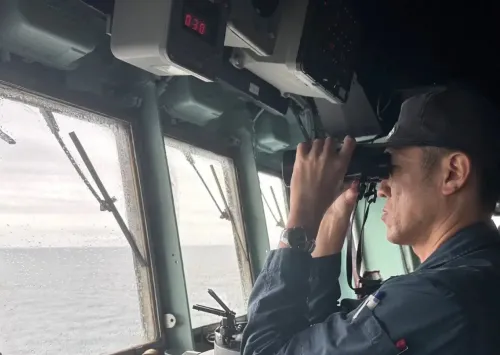
Taiwan's military on Monday, 22 June launched a five-day 'Immediate Combat Readiness Exercise' nationwide, designed to sharpen its armed forces' ability to shift rapidly from peacetime footing to full wartime operations in the event that China's ongoing gray-zone pressure escalates into an outright military assault. The drills are scheduled to run through Friday, 27 June.
What the Exercise Involves
According to a statement released by Taiwan's Ministry of National Defence on Sunday, the exercise tasks military units at every level with accelerating their transition from routine operations to active combat readiness. As the drills commenced on Monday morning, combat units moved to designated defensive positions across the island in preparation for repelling a simulated invasion.
Several CM32, CM33, and CM34 'Clouded Leopard' eight-wheeled armoured vehicles, along with military Field Information Communications System (FICS) vehicles, were observed travelling along Provincial Highway 31 near Qingpu in Taoyuan, according to local media reports.
The China Factor
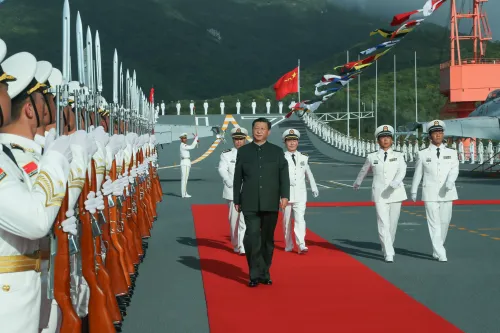
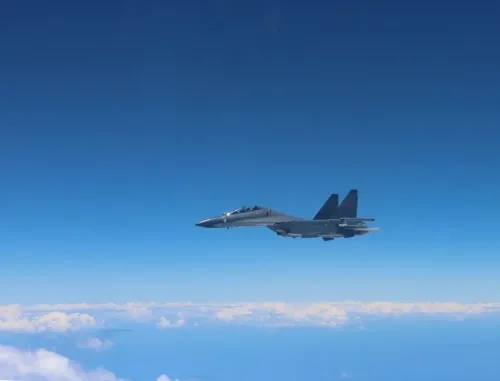
The exercise comes amid a sustained escalation in Chinese military activity around Taiwan. Beijing has steadily increased the frequency and scale of its exercises in the region in recent years, maintaining that Taiwan is an inalienable part of its territory and asserting the right to reunify the island with the mainland by force if necessary. Despite this pressure, Taiwan, backed by strong domestic public support, continues to assert its sovereignty and has consistently responded to Chinese incursions.
President Lai's Position
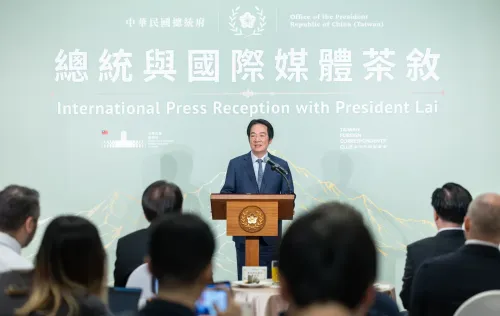
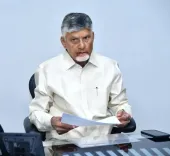
On 18 June, Taiwanese President Lai Ching-te urged China to halt its military expansion in the South China Sea, East China Sea, and the Taiwan Strait, and to abandon any use of force against the island. Speaking at a reception for foreign correspondents in Taipei, Lai expressed Taiwan's readiness to engage in exchanges and cooperation grounded in equality and dignity, in pursuit of peaceful and mutually beneficial development.
Lai noted that 2026 marks the 30th anniversary of Taiwan's first direct presidential election — an election held despite missile threats from China — and argued it sent a lasting message that sovereignty rests with the people. He stated categorically that China and Taiwan are not subordinate to each other and that Taiwan is not part of China.
In a post on X, Lai Ching-te wrote: 'With the Taiwan Foreign Correspondents' Club today, I marked 30 years of direct presidential elections in Taiwan, highlighting our democracy & thriving economy. Echoing the G7 leaders' statement, I stressed our commitment to upholding the status quo; I urge China to choose peace over the use of force.'
G7 Backing and the Broader Context
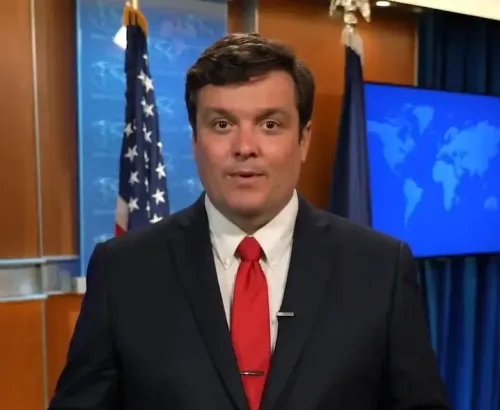
Lai also expressed gratitude to G7 leaders for reiterating their opposition to any unilateral attempt to alter the status quo across the Taiwan Strait by force or coercion. The G7 statement affirmed: 'We highlight the importance of a free and open Indo-Pacific based on the rule of law. We reaffirm our opposition to any unilateral attempts to change the status quo, in particular by force or coercion, in the East and South China Seas and across the Taiwan Strait, which should only be resolved peacefully through dialogue.'
This is the latest in a series of readiness drills Taiwan has conducted as cross-strait tensions have deepened. With Beijing showing no signs of scaling back its military posture, and the G7 bloc publicly aligned behind Taipei, the geopolitical stakes around the Taiwan Strait remain at their highest in decades. All eyes will now be on how China responds to the exercise as it concludes later this week.
Point of View
Photographed, and reported. What is less clear is whether these drills are closing the actual capability gap or primarily serving a deterrence-messaging function. With G7 unity behind Taipei and President Lai hardening his rhetorical posture, the cross-strait dynamic is entering a phase where miscalculation risk is rising even as both sides insist they seek stability.
NationPress
20 Sept 2026
Frequently Asked Questions
What is Taiwan's Immediate Combat Readiness Exercise?
It is a five-day nationwide military drill launched on 22 June 2026 by Taiwan's armed forces, aimed at strengthening the ability of military units at all levels to transition rapidly from peacetime to wartime operations. The exercise runs through 27 June and involves combat units moving to designated defensive positions across the island.
Why has Taiwan launched this military exercise now?
The drill comes in response to China's sustained increase in the frequency and scale of military exercises around Taiwan in recent years. China maintains that Taiwan is part of its territory and has not ruled out the use of force to achieve reunification, prompting Taipei to sharpen its defensive readiness.
What did President Lai Ching-te say about China?
On 18 June 2026, President Lai Ching-te urged China to halt its military expansion in the South China Sea, East China Sea, and Taiwan Strait, and to choose peace over the use of force. He also stated that China and Taiwan are not subordinate to each other and that Taiwan is not part of China.
What is the G7's position on the Taiwan Strait?
G7 leaders reaffirmed their opposition to any unilateral attempts to change the status quo in the Taiwan Strait, East China Sea, and South China Sea, particularly by force or coercion. They called for disputes to be resolved peacefully through dialogue and stressed the importance of a free and open Indo-Pacific based on the rule of law.
Which military vehicles were deployed during the Taiwan drill?
CM32, CM33, and CM34 'Clouded Leopard' eight-wheeled armoured vehicles and military Field Information Communications System (FICS) vehicles were seen travelling along Provincial Highway 31 near Qingpu in Taoyuan as part of the exercise.