Xi Jinping's Unyielding Agenda for Taiwan Amid Military Purges
Synopsis
Despite ongoing purges within the military, Xi Jinping's ambitions regarding Taiwan remain resolute. This report reveals how internal strife may affect China's military readiness and the implications for regional stability.
Key Takeaways
Xi Jinping's ambitions for Taiwan remain firm.
Military purges could destabilize the PLA's effectiveness.
Ongoing internal conflicts may lead to slower decision-making.
The risk of regional instability is heightened. '2027 readiness goal' indicates imminent military preparedness for Taiwan invasion.
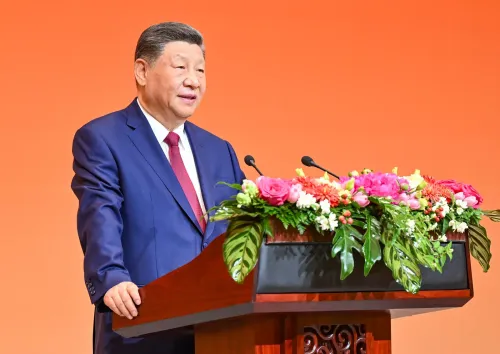
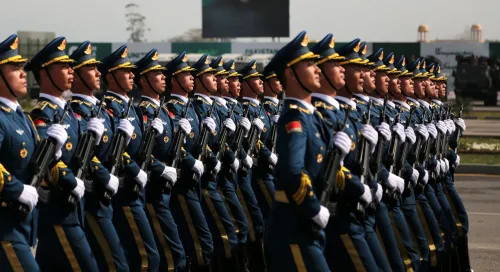
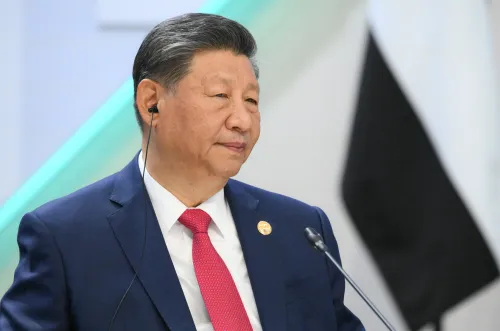
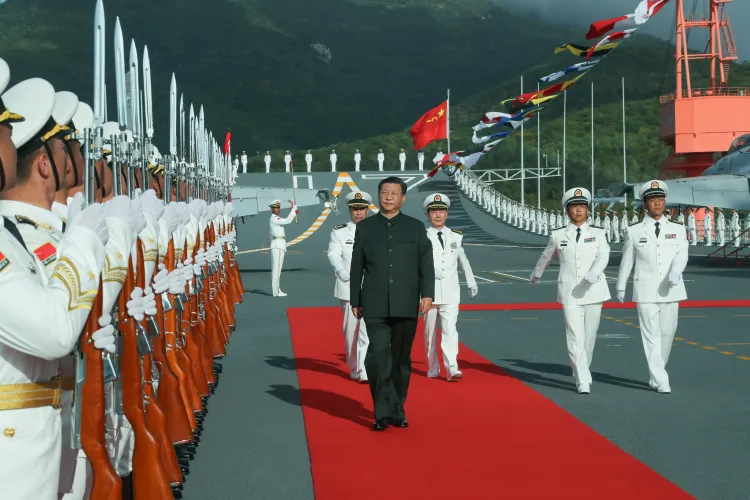
Beijing, March 17 (NationPress) The long-term aspirations of Chinese Communist Party (CCP) General Secretary Xi Jinping concerning Taiwan have not wavered, even as he fortifies his political grip over the People’s Liberation Army (PLA), which functions more as the military faction of the CCP than as a national defense entity, according to a report citing findings from the ChinaPower Project at the Centre for Strategic and International Studies (CSIS).
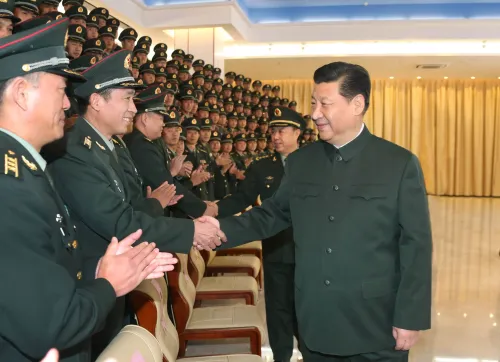
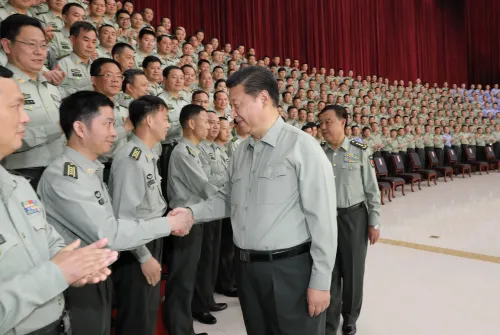
The report indicates that Xi's extensive purge of high-ranking military and defense officials is more comprehensive than previously realized, impacting crucial leadership roles across various branches of the PLA.
As highlighted by an Indo-Pacific Defense Forum report, Xi has officially dismissed 36 Generals and Lieutenant Generals since 2022, alongside the removal of defense ministers and at least 10 members of China’s influential Central Military Commission. Further investigations reveal that an additional 65 officers are either unaccounted for or have been purged.
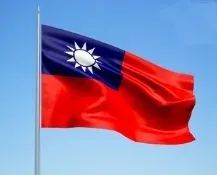
Experts suggest that Xi's measures carry significant ramifications for stability in the Indo-Pacific region and heighten the threat against Taiwan, the self-governing island that Beijing views as its territory and has vowed to reclaim, by force if required.
The report states, 'While the ongoing purges—which analysts believe are likely to persist—could temporarily undermine China’s military readiness, they may simultaneously elevate the risk of long-term regional instability and strategic miscalculations.'
According to the ChinaPower Project, Xi’s anti-corruption efforts, described as 'a mechanism for eliminating political adversaries in addition to eliminating officers accused of corruption and unethical conduct,' have resulted in the removal of 101 senior officers since 2022.
These dismissals include high-ranking commanders tasked with operational planning and missile operations. The purges lead to a leadership vacuum within China’s armed forces, potentially eroding trust in the command structure and disrupting established authority chains. The removal of seasoned commanders may reduce the PLA's professional capabilities as they are replaced by less experienced officers.
The report also notes that these extensive purges can detrimentally impact operational readiness by interrupting training, planning, and coordination. Military units may hesitate to make decisions if commanders are dismissed or under investigation, leading to sluggish decision-making and hampering preparations for complex missions.
Structural issues within China’s military may arise due to these purges. Reports indicate investigations have uncovered the procurement of inferior equipment and flaws in military logistics and missile systems, signifying that the PLA is unprepared for high-intensity warfare, despite rapid modernization.
Nonetheless, internal debates and dissent within the military hierarchy tend to diminish when a single individual possesses decision-making authority.
Despite current upheavals, analysts assert that Xi’s long-term ambitions regarding Taiwan remain steadfast. Beijing continues to prioritize annexation as a national goal. U.S. intelligence assessments and defense officials frequently reference the '2027 readiness objective,' indicating that Xi has directed the PLA to enhance its capacity to invade Taiwan by that timeline. This situation contributes to increasing uncertainty in the Indo-Pacific. While purges might momentarily lessen the likelihood of conflict, they also cultivate conditions that could exacerbate regional volatility,' the Indo-Pacific Defense Forum report emphasizes.
Point of View
It is crucial to observe that while Xi's military purges may temporarily affect operational readiness, they do not alter his strategic focus on Taiwan. The ongoing political maneuvering within the PLA signals a complex and potentially volatile future for the Indo-Pacific region.
NationPress
24 Sept 2026
Frequently Asked Questions
What are Xi Jinping's long-term ambitions regarding Taiwan?
Xi Jinping aims for the annexation of Taiwan, viewing it as a national priority, despite ongoing internal military purges.
How have recent purges affected the PLA?
The purges have caused a leadership vacuum, potentially weakening trust and operational readiness within the PLA.
What implications do these purges have for regional stability?
While they may reduce immediate military readiness, the purges could increase the risk of long-term instability and strategic miscalculations in the Indo-Pacific.
How many military officials have been purged since 2022?
Since 2022, Xi has officially purged 36 Generals and Lieutenant Generals, alongside numerous other high-ranking officials.
What is the '2027 readiness goal'?
The '2027 readiness goal' refers to U.S. intelligence assessments suggesting Xi has tasked the PLA with preparing for a potential invasion of Taiwan by that year.