ISIS threat in Afghanistan a shared concern, says Taliban FM Muttaqi
Synopsis
Taliban Foreign Minister Muttaqi's acknowledgment of ISIS as a 'shared concern' at a Kabul think-tank forum is more than diplomatic language — it is a rare public admission that the Taliban cannot contain ISKP alone, and an implicit appeal for regional legitimacy that its isolated administration badly needs.
Key Takeaways
Taliban Foreign Minister Amir Khan Muttaqi called the ISIS threat a 'shared concern' for Afghanistan and Central Asia at a Kabul forum on 16 June .
ISIS-Khorasan (ISKP) , the Islamic State's Afghan affiliate, has been flagged by both UN monitors and Russia's FSB as retaining capacity to recruit, attack, and maintain regional networks.
Muttaqi said the Taliban is ready to cooperate with regional governments on security and that counter-ISKP measures have already been taken.
The Taliban FM also highlighted disruptions to trade, transportation, food supply, and energy markets caused by regional conflicts.
The conference was organised by the Strategic Studies Centre of the Taliban's Foreign Ministry as part of an outreach effort despite the Taliban's continued lack of international recognition.
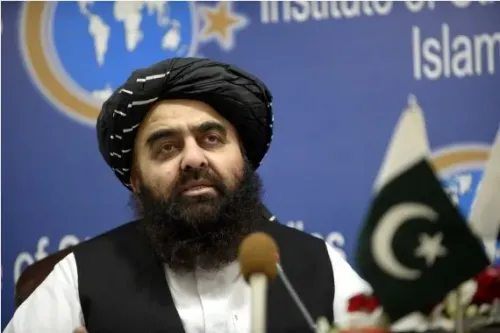
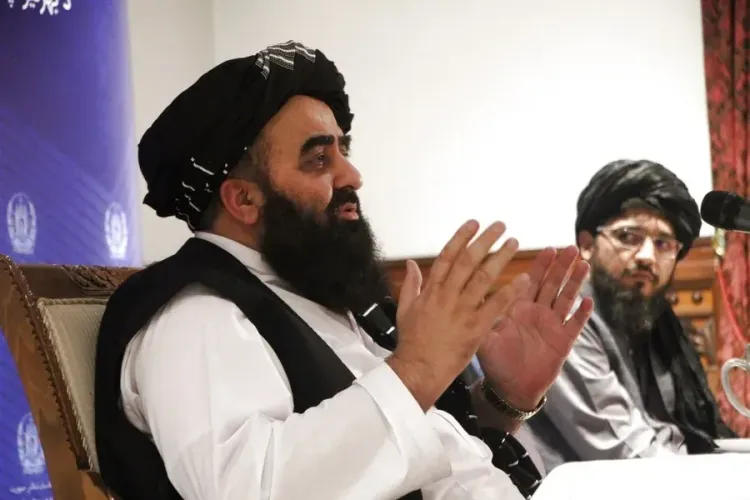
Taliban Foreign Minister Amir Khan Muttaqi on Tuesday, 16 June declared that the threat posed by ISIS and its regional affiliates remains a shared security concern for both the Afghan administration and the nations of Central Asia. Muttaqi made the remarks at a gathering of strategic studies centres and think tanks from Central Asia and Azerbaijan, held in Kabul.
What Muttaqi Said
'The threat of Daesh is a shared concern,' Muttaqi told delegates at the Kabul forum, according to local media reports. He acknowledged that the Taliban and regional governments face overlapping security challenges, with ISIS-Khorasan — the Islamic State's Afghanistan-based affiliate — at the centre of those concerns.
Muttaqi affirmed that the Taliban is prepared to cooperate with neighbouring governments on security matters, adding that steps had already been taken to counter the group's activities inside Afghanistan.
The ISIS-Khorasan Threat: Regional Dimensions
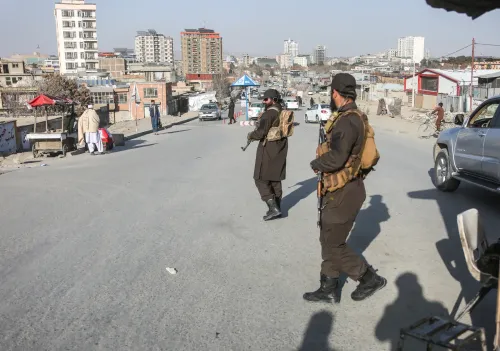
Concerns about ISIS-Khorasan (ISKP) have been a recurring flashpoint in relations between the Taliban and Central Asian governments. Regional states have repeatedly flagged the risk of extremist networks operating out of Afghan territory, pressing Kabul for stronger security coordination.
According to recent assessments by United Nations (UN) monitors, ISIS-Khorasan retains the capacity to recruit fighters, conduct attacks, and maintain operational networks both within Afghanistan and across the broader region.
Alexander Bortnikov, head of Russia's Federal Security Service (FSB), has separately voiced similar concerns, stating that ISIS is actively recruiting inside Afghanistan and represents a tangible threat to regional stability.
Beyond Security: Trade and Connectivity
Muttaqi also used the Kabul forum to stress the importance of regional cooperation on economic matters. He argued that ongoing conflicts across the wider region have disrupted trade routes, transportation networks, food supply chains, and energy markets.
He called on research institutions and policy centres to play a more active role in promoting regional convergence and generating practical solutions to these shared challenges.
Context: Taliban's Outreach Amid Isolation
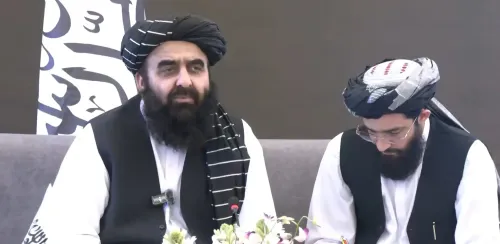
The conference was organised by the Strategic Studies Centre of the Taliban's Foreign Ministry. According to reports, Muttaqi described the event as part of a broader Taliban effort to strengthen ties with neighbouring countries and expand economic and transit cooperation — this despite the Taliban administration's continued lack of formal international recognition.
The Taliban's willingness to engage multilaterally on security — even as it remains diplomatically isolated — signals a pragmatic calculation: that regional buy-in on counterterrorism is essential to consolidating its hold on governance. How Central Asian states respond to this overture will be a key indicator of whether Kabul can translate dialogue into durable security arrangements.
Point of View
Yet here is its own foreign minister conceding that ISIS-Khorasan is a problem it cannot solve unilaterally. The subtext is an appeal for legitimacy: by hosting Central Asian think tanks and echoing UN and FSB threat assessments, the Taliban is signalling that it wants a seat at the regional security table — even as no government formally recognises it. The risk is that this remains performative. Central Asian states have heard similar assurances before; what they are watching for is verifiable action against ISKP networks, not forum diplomacy.
NationPress
15 Sept 2026
Frequently Asked Questions
What did Taliban Foreign Minister Muttaqi say about ISIS?
Muttaqi stated that 'the threat of Daesh is a shared concern' for Afghanistan and Central Asian nations, speaking at a Kabul forum on 16 June. He affirmed the Taliban's readiness to cooperate with regional governments on security and said counter-ISIS measures had already been taken.
What is ISIS-Khorasan and why does it matter to Central Asia?
ISIS-Khorasan (ISKP) is the Islamic State's Afghanistan-based affiliate, which UN monitors say retains the capacity to recruit fighters and conduct attacks across the region. Central Asian states have repeatedly warned about the threat posed by extremist networks operating out of Afghan territory and have sought stronger security cooperation with Kabul.
What has the UN said about ISIS-Khorasan's capabilities?
According to recent UN monitor assessments, ISIS-Khorasan retains the ability to recruit fighters, carry out attacks, and maintain networks both inside Afghanistan and across the broader region. Russia's FSB chief Alexander Bortnikov has separately warned that ISIS is actively recruiting in Afghanistan.
Why is the Taliban hosting regional security forums despite lacking international recognition?
The Taliban's Foreign Ministry organised the Kabul conference as part of an effort to strengthen ties with neighbouring countries and expand economic and transit cooperation. Engaging regional think tanks and governments on shared security concerns is seen as a way to build pragmatic relationships even without formal diplomatic recognition.
What economic concerns did Muttaqi raise at the Kabul forum?
Beyond security, Muttaqi highlighted that ongoing regional conflicts have disrupted trade routes, transportation, food supply chains, and energy markets. He urged policy research centres to promote regional convergence and develop practical solutions to these shared economic challenges.