Bangladesh PM Tarique Rahman Labels 1971 Pakistani Crackdown a ‘Premeditated Massacre’
Synopsis
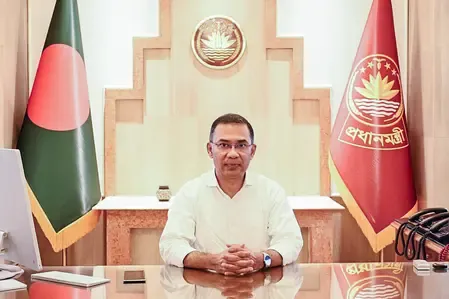
On Genocide Day, Bangladesh's Prime Minister Tarique Rahman condemned the 1971 crackdown by Pakistani forces as a premeditated massacre, urging the nation to honor the martyrs' sacrifices. President Shahabuddin echoed the sentiment, calling for unity to realize the ideals of the Liberation War.
Key Takeaways
March 25, 1971: A day marked as Genocide Day in Bangladesh.
Pre-planned massacre: PM Tarique Rahman labels the events of 1971 as systematic violence against civilians.
Operation Searchlight: Military crackdown on unarmed Bangladeshis initiated by Pakistani forces.
Call for unity: Leaders urge collaboration across society to honor martyrs' sacrifices.
Values of the Liberation War: Emphasis on equality, human dignity, and social justice.
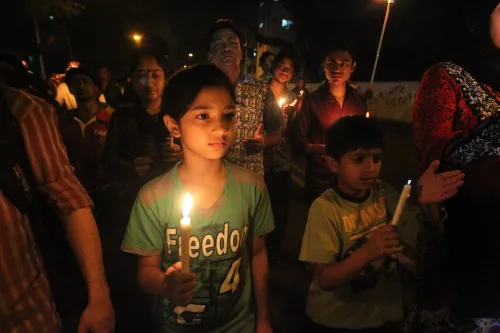
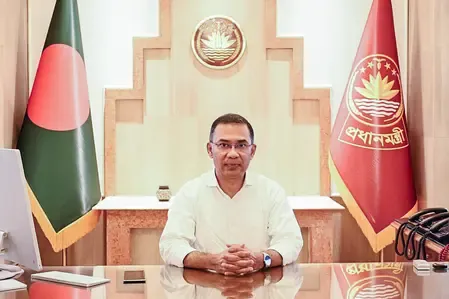
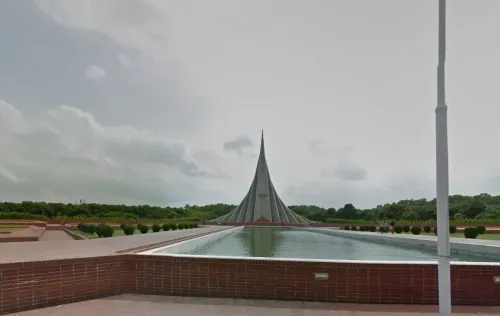
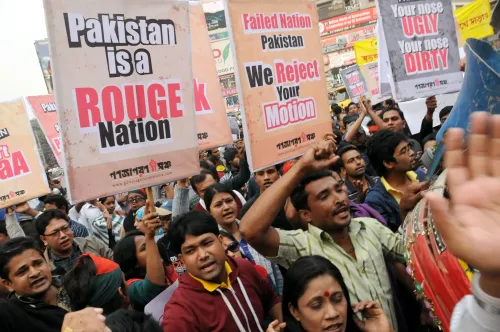
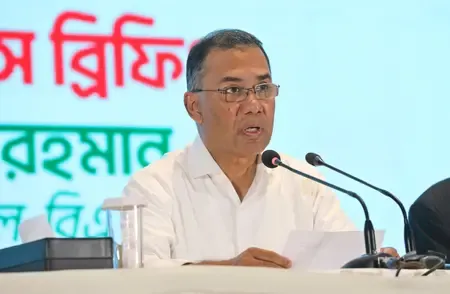
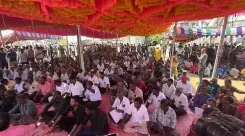
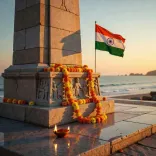
Dhaka, March 25 (NationPress) In a solemn acknowledgment of the dark past, Bangladesh Prime Minister Tarique Rahman referred to the events of March 25, 1971, as a “pre-planned massacre” and labeled it as one of the most horrific episodes in the nation's history. This statement was made as the country commemorated Genocide Day to honor the lives lost during the assault by Pakistani forces.
“On this Genocide Day, I extend my heartfelt tribute to all the martyrs. March 25, 1971, is etched in the history of freedom-loving Bangladesh as a day of profound disgrace and brutality,” Tarique stated in a message for the occasion.
The Prime Minister emphasized that the Pakistani occupation forces initiated one of history's most “heinous” genocides against defenseless Bangladeshis that fateful night under “Operation Searchlight.”
Referring to the 1971 crackdown as a premeditated slaughter, Tarique noted that the Pakistani military indiscriminately targeted teachers, intellectuals, and innocent civilians at various locations, including Dhaka University, Pilkhana, and Rajarbagh Police Lines, leading to countless fatalities.
Highlighting the importance of honoring the values of the 1971 Bangladesh Liberation War, the PM remarked, “Let us collectively strive to honor the sacrifices of the martyrs by embodying the principles of the great Liberation War—equality, human dignity, and social justice. Together, we can construct a just, developed, prosperous, self-sufficient, and democratic Bangladesh.”
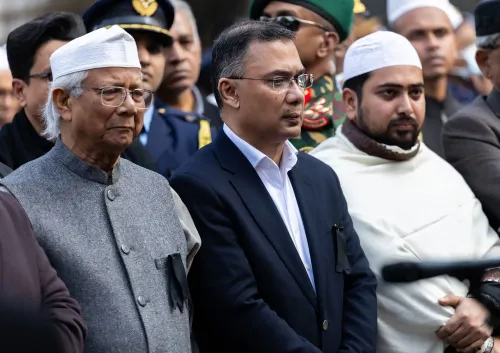
In a related address, Bangladesh President Mohammed Shahabuddin reflected on March 25, 1971, as the most brutal and sorrowful chapter in the nation’s history, remarking how the entire population was left in shock and disbelief from this genocide.
He noted that on that night in 1971, Pakistani forces executed indiscriminate killings of unarmed and sleeping civilians under the guise of “Operation Searchlight”.
President Shahabuddin called upon the people of Bangladesh—regardless of their religion, caste, political affiliation, or opinions—to unite with a spirit of patriotism to fulfill the dreams and ideals of the martyrs from the 1971 Bangladesh Liberation War.
“The aspirations of the martyrs from the Liberation War were to establish a humane, democratic, and just state—free from discrimination, deprivation, misrule, corruption, and injustice,” he stated, as reported by the Dhaka Tribune.
Frequently Asked Questions
What is Genocide Day?
Genocide Day is observed on March 25 in Bangladesh to commemorate the atrocities committed by Pakistani forces during the 1971 Liberation War.
Why did PM Tarique Rahman call the 1971 crackdown a pre-planned massacre?
PM Tarique Rahman labeled the events as a premeditated act of violence against unarmed civilians, highlighting the systematic nature of the attacks.
What was Operation Searchlight?
Operation Searchlight was a military operation carried out by Pakistani forces on March 25, 1971, aimed at suppressing the independence movement in Bangladesh through severe violence.
What ideals did the Bangladeshi leaders emphasize?
Leaders emphasized the need for equality, human dignity, and social justice, urging the nation to honor the sacrifices made during the Liberation War.
What role does unity play in the current context?
Unity is seen as essential for fulfilling the aspirations of the martyrs and building a just, democratic society free from discrimination.