Naveen Patnaik slams MMDR Amendment, calls Odisha to unite for mineral rights
Synopsis
Naveen Patnaik is framing the MMDR Amendment as an existential threat to Odisha's finances — and the numbers give him a credible case. The state sits on India's largest reserves of chromite, bauxite, and iron ore, and mining revenues bankrolled a ₹50,000 crore surplus over 24 years. If the amendment curtails state-level taxation, that fiscal engine stalls — and Patnaik is betting that cross-party outrage can force a rethink.
Key Takeaways
Naveen Patnaik condemned the MMDR Amendment on 19 August , calling it a direct threat to Odisha's mineral rights and state revenues.
The BJD-led government built a ₹50,000 crore revenue surplus by 2024 , which Patnaik attributed significantly to mining tax collections.
Odisha holds India's highest reserves of chromite, bauxite, iron ore, coal , and manganese .
Patnaik alleged the amendment could cost Odisha thousands of crores annually , affecting schools, hospitals, and welfare schemes.
He has demanded an all-party meeting and a special session of the Odisha Legislative Assembly from Chief Minister Mohan Charan Majhi .
Congress and other Opposition parties have also threatened to intensify protests demanding withdrawal of the amendment.
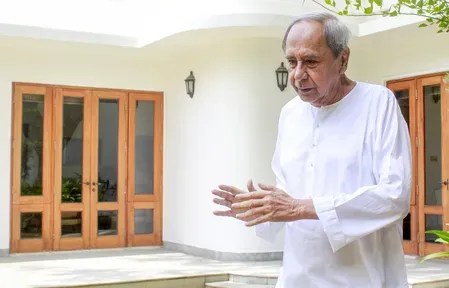
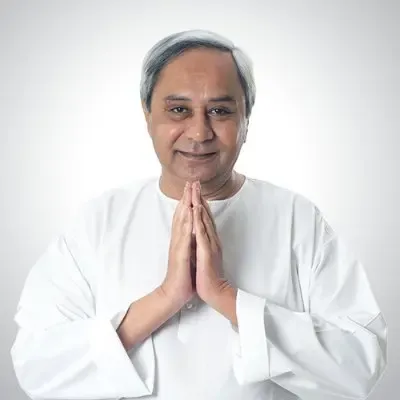
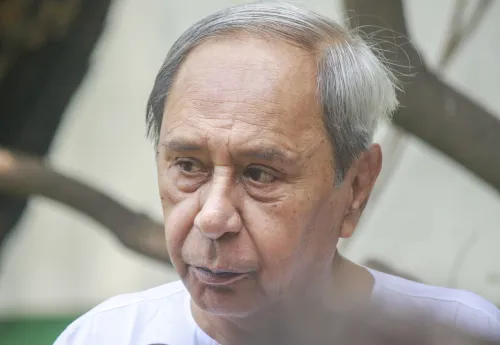
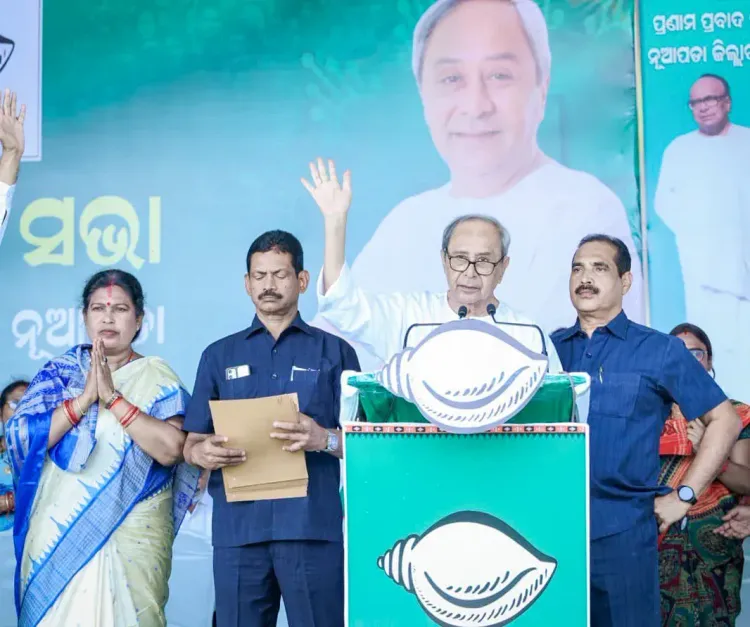
Naveen Patnaik, Leader of Opposition and president of the Biju Janata Dal (BJD), on Wednesday, 19 August launched a sharp attack on the recently passed amendment to the Mines and Minerals (Development and Regulation) Act (MMDR Act), warning that it poses a direct threat to Odisha's fiscal sovereignty and mineral wealth. In a video message addressed to the people of the state, Patnaik called for a united front to reclaim what he described as rights stripped away by the Centre.
Mining Revenue at the Heart of Odisha's Growth
Patnaik traced the significance of mining taxation to the state's economic transformation under 24 years of BJD-led governance. He recalled that when the party came to power in 2000, Odisha's finances were so strained that the government relied on overdrafts. By 2024, he said, the BJD administration had built a revenue surplus of ₹50,000 crore, crediting disciplined fiscal management and robust mining revenues for enabling infrastructure expansion, poverty reduction, and large-scale welfare programmes.
'Mining tax played a major role in this rapid development. But today, Odisha's economy is in danger,' Patnaik alleged in his video address.
What the MMDR Amendment Does, and Why Patnaik Objects
The MMDR Amendment Bill was passed by Parliament, with Patnaik alleging it went through without adequate debate — and that only BJD MPs raised objections in the Rajya Sabha. He contended that the legislation effectively transfers control over mineral resources away from the state, depriving Odisha of the authority to levy taxes on its own mines.
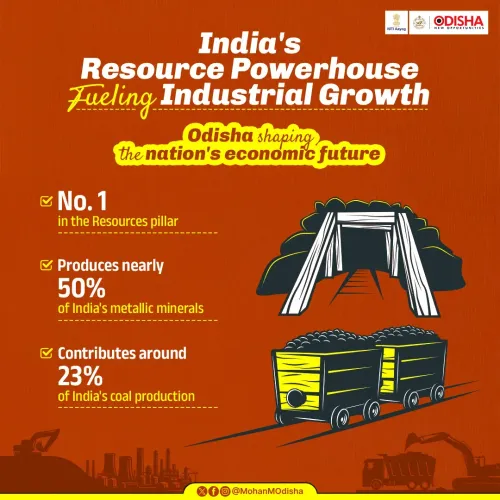
Odisha holds the country's highest reserves of chromite, bauxite, iron ore, coal, and manganese — making the revenue implications of the amendment particularly acute for the state. Patnaik alleged the amended law would cost Odisha thousands of crores of rupees annually, funds that would otherwise have financed schools, hospitals, and welfare schemes for farmers and the poor.
'Our people will bear the dust and pollution, while the Delhi establishment will prosper from our resources. We will not allow this to happen,' he said.
Demand for All-Party Meeting and Special Assembly Session
Patnaik said he has already written to Chief Minister Mohan Charan Majhi, demanding an all-party meeting and a special session of the Odisha Legislative Assembly to deliberate on the amendment's implications. He criticised the state's 20 Bharatiya Janata Party (BJP) MPs for remaining silent on the issue, arguing that Odisha's interests should transcend party lines.
'No one is bigger than the interests of Odisha and its people. Today, we have to come together for the interests of our soil and our state,' he said.
Opposition Closing Ranks
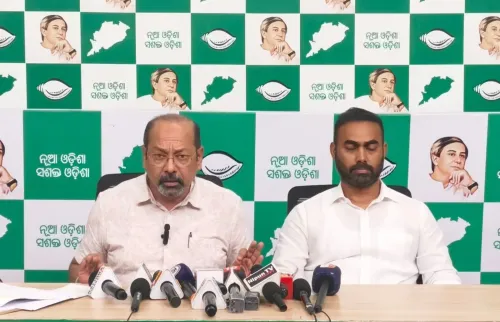
The BJD is not alone in its opposition. The Indian National Congress (Congress) and other Opposition parties in Odisha have also threatened to escalate protests and are demanding the Centre withdraw the amendment entirely. The convergence of opposition forces signals that the MMDR dispute could become a sustained political flashpoint in the state.
What Comes Next
Patnaik vowed to continue the fight 'till my last breath,' framing the issue as one of generational consequence. With Odisha's budget heavily reliant on mineral revenues and the state sitting atop some of India's richest mineral belts, the outcome of this legislative and political battle will have long-term implications for state finances and resource governance. The demand for a special Assembly session, if accepted, could force a formal legislative response from the ruling BJP government in Bhubaneswar.
Point of View
However, is substantive: mineral-rich states like Odisha have long argued that the Centre's creeping control over resource revenues amounts to fiscal centralisation by stealth. The demand for a special Assembly session is a pressure tactic, but if the BJP state government refuses, it risks being painted as complicit in Delhi's resource grab — a damaging optic in a mining-dependent electorate. What the debate still lacks is a granular government estimate of the actual revenue impact; without that number, both the alarm and the counter-arguments remain politically charged rather than analytically grounded.
NationPress
20 Aug 2026
Frequently Asked Questions
What is the MMDR Amendment and why is it controversial in Odisha?
The Mines and Minerals (Development and Regulation) Act (MMDR) Amendment was recently passed by Parliament and, according to Naveen Patnaik, transfers control over mineral resource taxation away from state governments. Odisha, which holds India's largest reserves of chromite, bauxite, iron ore, coal, and manganese, stands to lose thousands of crores in annual revenue if state-level mining taxes are curtailed.
What has Naveen Patnaik demanded in response to the MMDR Amendment?
Patnaik has written to Chief Minister Mohan Charan Majhi demanding an all-party meeting and a special session of the Odisha Legislative Assembly to discuss the amendment's implications. He has also called on the people of Odisha to unite in opposing the legislation.
How significant is mining revenue to Odisha's state budget?
According to Patnaik, mining tax revenues were central to Odisha's fiscal transformation under 24 years of BJD governance — helping the state move from overdraft-dependent finances in 2000 to a ₹50,000 crore revenue surplus by 2024. The funds financed infrastructure, poverty reduction, and large-scale welfare programmes.
Which parties are opposing the MMDR Amendment in Odisha?
The BJD was the only party to oppose the Bill in the Rajya Sabha, according to Patnaik. However, the Indian National Congress and other Opposition parties in Odisha have since threatened to intensify protests and are demanding the Centre withdraw the amendment.
What is Patnaik's criticism of Odisha's BJP MPs?
Patnaik alleged that the 20 BJP MPs from Odisha failed to raise their voices against the MMDR Amendment in Parliament, arguing that protecting Odisha's mineral rights should take precedence over party loyalty to the ruling dispensation at the Centre.