Is Texas Governor Questioning H-1B Visas in State Schools?
Synopsis
Texas Governor Greg Abbott is probing the use of H-1B visas in state-funded educational institutions, questioning whether foreign workers are taking jobs that could be filled by Texans. This inquiry reflects broader concerns over the visa program's implications for local employment and public safety.
Key Takeaways
Texas is examining the use of H-1B visas in state-funded institutions.
Governor Abbott is concerned about job allocation for Texans.
The investigation aims to ensure taxpayer funds are appropriately utilized.
Abbott questions the necessity of H-1B workers in positions without specialized skills.
Potential federal action may arise based on the investigation's findings.
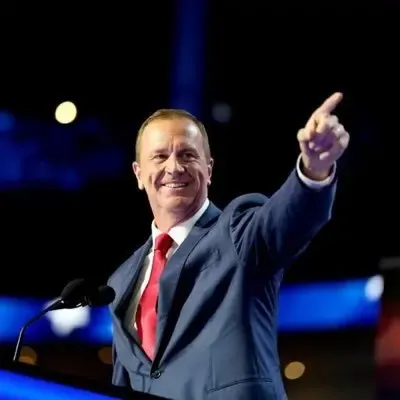
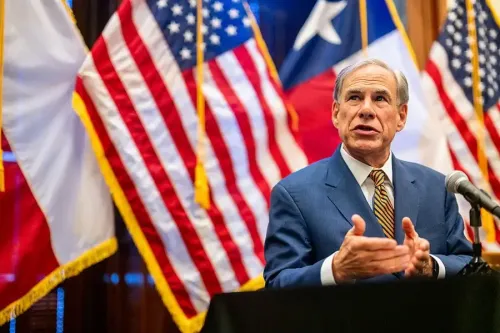
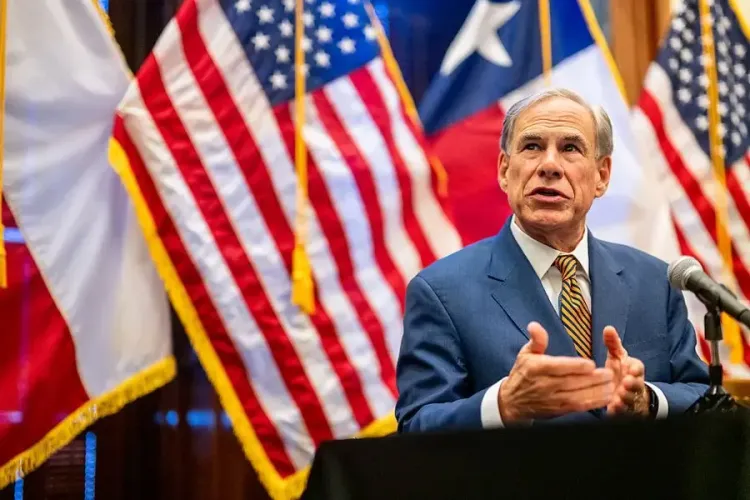
Washington, Jan 27 (NationPress) Texas Governor Greg Abbott announced that his administration is currently investigating the application of H-1B visas within the state's public educational institutions, universities, and other facilities funded by taxpayers. He raised concerns regarding the hiring of foreign workers for positions that could potentially be filled by Texans.
During an appearance on The Mark Davis Show, Abbott revealed that his office has begun gathering data from public agencies to ascertain how much of Texas taxpayer money is allocated to pay for H-1B visa holders employed in state institutions.
The scope of this review includes public schools, colleges, and universities, along with other sectors where state finances may be implicated. Abbott mentioned that inquiries have been dispatched to various agencies across Texas to compile information regarding the number of H-1B workers, the positions they occupy, and the rationale behind their employment.
“We are currently in the process of reaching out to all relevant agencies to collect the necessary data. We hope to announce an action plan that Texas will be initiating later this week,” Abbott stated during the radio broadcast.
Abbott reiterated that the H-1B visa program is federally managed, not under state jurisdiction. However, he mentioned that Texas is evaluating what authority it may possess concerning state funds. “This is strictly a federal program. It’s not a state initiative,” he pointed out, adding that his administration is assessing “what power we hold to address this matter.”
His investigation aims to determine if public institutions are employing H-1B workers for roles that do not necessitate distinct or specialized skills. “For instance, what positions in our public schools in Texas are being filled by these H-1B visa holders that we cannot satisfy with our own local workforce?” Abbott questioned. “I don’t see any justification for needing H-1B personnel in our public schools in Texas, but we will ascertain if there are indeed unique skill sets required.”
The governor also expressed concerns about potential misuse of the visa program, aligning with some conservative viewpoints that H-1B visas have been exploited. He referred to reports of numerous visa holders registered at a single location and highlighted the “extensive controversy” surrounding the admission of certain H-1B workers.
Abbott suggested that some individuals who entered the US on H-1B visas may have overstayed or received inadequate vetting, especially during the Biden administration. “Some of these H-1B visa concerns involve individuals who were permitted entry either under the Biden administration or even prior who have overstayed their visas,” he remarked.
He connected the state's review to broader federal immigration enforcement initiatives under President Donald Trump, stating that Texas is in dialogue with the administration. “Clearly, we are in contact with the Trump administration,” Abbott said, noting that the president has prioritized this issue.
Abbott conveyed that his administration's goal is to guarantee public safety and safeguard jobs for Texans. “The reality is we want to ensure the safety of our communities,” he asserted. “We want to ensure that people aren’t coming in and taking jobs that Texans can easily fill.”
Depending on the findings of the review, Texas may request additional action from the federal government. “It could be that we need to specifically call on the Trump administration to withdraw certain H-1B visa holders,” Abbott said.
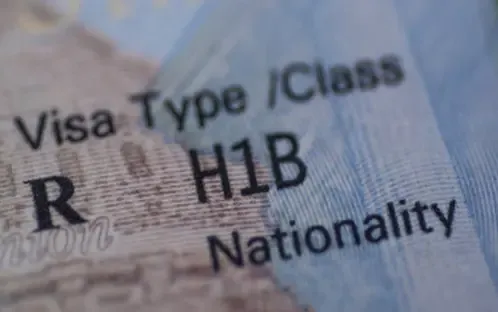
The H-1B program permits US employers to hire foreign laborers in specialized roles that typically necessitate a minimum of a bachelor’s degree. It is widely utilized in sectors such as technology, healthcare, research, and higher education, and has long been a contentious issue in Washington.
In recent years, critics of the program argue that it may undermine American workers or be employed for roles that do not require highly specialized skills, while proponents contend it addresses labor shortages and enables employers to attract global talent in crucial fields.
Point of View
They also raise questions about the broader implications of visa programs on the labor market. This inquiry underscores the need for a comprehensive approach to immigration that considers both economic growth and workforce development.
NationPress
19 Sept 2026
Frequently Asked Questions
What is the purpose of the H-1B visa program?
The H-1B visa program allows US employers to hire foreign workers in specialty occupations that typically require a bachelor’s degree or higher, helping to fill labor shortages in critical sectors.
Why is Texas Governor Greg Abbott investigating H-1B visa usage?
Governor Abbott is investigating to determine if foreign workers are being hired for positions that could be filled by Texans, ensuring taxpayer funds are used appropriately.
What concerns does Abbott express regarding the H-1B visa program?
Abbott raises concerns about potential misuse of the visa program, including cases of individuals overstaying their visas and whether some roles filled by H-1B workers require unique skills.
How does this inquiry relate to federal immigration policy?
The inquiry reflects the state’s interest in examining how federal immigration policies impact local job markets and the use of public funds.
What could be the outcome of Abbott's investigation?
Depending on the findings, Texas may request the federal government to take action regarding certain H-1B visa holders employed in state institutions.