Why Did a US Lawmaker Criticize Texas Governor Over H-1B Visa Freeze?
Synopsis
A prominent US lawmaker has sharply criticized Texas Governor Greg Abbott's recent decision to freeze H-1B visa applications at public universities and state agencies. This controversial move is seen as harmful to Texas' workforce and economy, raising concerns about its impact on innovation and talent attraction.
Key Takeaways
Texas Governor Greg Abbott's freeze on H-1B visas is viewed as detrimental to the state's workforce.
Congressman Marc Veasey argues that the freeze will weaken Texas' economic competitiveness.
The decision could deter global talent and investment in Texas.
Immigration reform requires collaboration and effective solutions.
Fear-driven politics could harm Texas' economy and innovation.
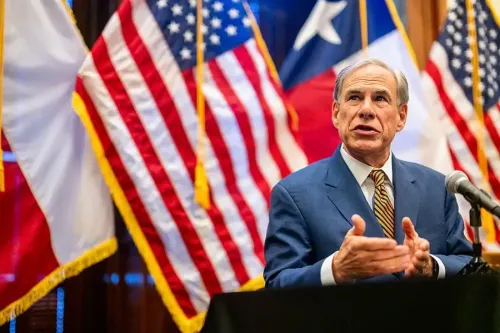
Washington, Feb 5 (NationPress) A notable American legislator has condemned Texas Governor Greg Abbott's directive that halts new H-1B visa applications at public universities and state agencies, asserting that this move is detrimental to the state's labor market and economy.
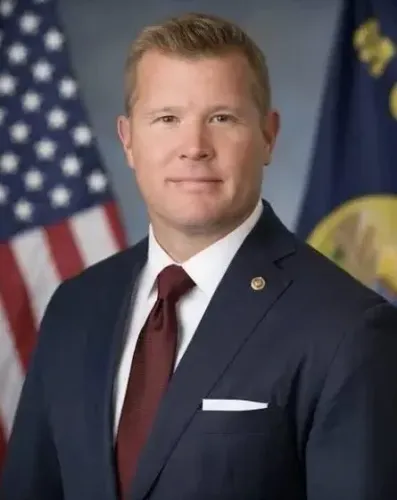
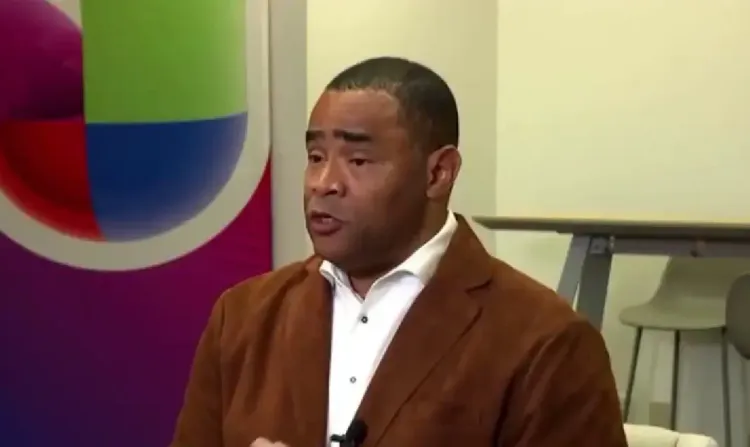
Congressman Marc Veasey emphasized that this decision would undermine Texas at a time when skilled workers and innovation are vital.
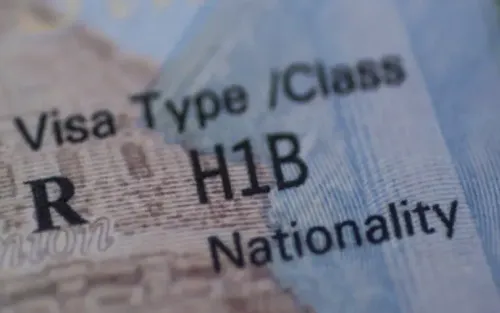
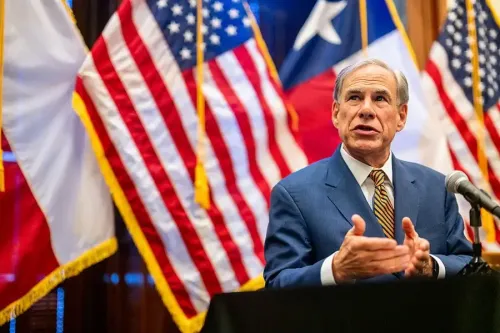
Last month, Abbott mandated state agencies and public universities to suspend new H-1B visa petitions until the end of 2027 while his administration evaluates the federal program's application. He stated that jobs funded by taxpayers should be prioritized for Texans.
“Abbott’s choice to freeze H-1B visa applications at Texas public universities and state agencies is a setback for Texas’ workforce,” Veasey remarked in a pointed statement.
“Texas’ economy has prospered due to our ability to attract skilled workers, researchers, medical professionals, educators, and students who enhance our communities with their talents and dedication. This directive jeopardizes that legacy,” he added.
The Texas Democrat noted that the freeze would have repercussions for families, students, and workers who contribute to the state daily.
“This move will affect thousands of families, students, and workers who play a crucial role in our state's achievements,” he stated. “It will render Texas less competitive economically, weaken our workforce, and diminish the reputation of our higher education and medical institutions at a moment when innovation and talent are essential for our future.”
Veasey also criticized Abbott’s expanded review of visa usage at universities and state agencies, asserting that it wouldn’t address deeper immigration issues.
“Governor Abbott’s so-called investigations do nothing to mend our flawed immigration system,” Veasey stated. “They squander taxpayer funds, instill fear, and provide no genuine solutions.”
He emphasized that immigration reform necessitates collaboration, not political confrontations. “Immigration reform calls for sincere leadership and bipartisan collaboration — not political theatrics that vilify immigrants and harm Texas’ economy,” Veasey remarked.
Veasey cautioned that this action sends a negative signal to global talent and investors.
“Texas should be striving to attract the world's top talent, not repelling it,” he concluded. “We must reject fear-driven politics and concentrate on policies that bolster our economy, support families, and maintain Texas' strength.”
Point of View
The recent criticism of Texas Governor Abbott's freeze on H-1B visa applications highlights a critical debate on immigration policy and its impact on the economy. As leaders grapple with the balance between protecting local jobs and attracting global talent, this situation underscores the ongoing challenges in creating a cohesive immigration framework that benefits all.
NationPress
5 Oct 2026
Frequently Asked Questions
What is the H-1B visa?
The H-1B visa is a non-immigrant visa that allows U.S. companies to employ foreign workers in specialty occupations that require theoretical or technical expertise.
Why did Governor Abbott freeze H-1B visa applications?
Governor Abbott's decision was aimed at ensuring that taxpayer-funded jobs are prioritized for Texans, as his administration reviews the federal program's usage.
What are the potential impacts of this freeze?
The freeze could hinder Texas' ability to attract skilled workers and professionals, potentially affecting the state's economy, workforce competitiveness, and innovation.
Who criticized the freeze?
Congressman Marc Veasey, a Texas Democrat, criticized the freeze, stating that it undermines Texas' legacy of attracting qualified workers and could negatively affect families and the economy.
What is being proposed for immigration reform?
Congressman Veasey advocates for serious leadership and bipartisan cooperation to address immigration reform, rather than political stunts that could harm the economy.