Texas governor-elect Hinojosa to reverse H-1B freeze at state agencies
Synopsis
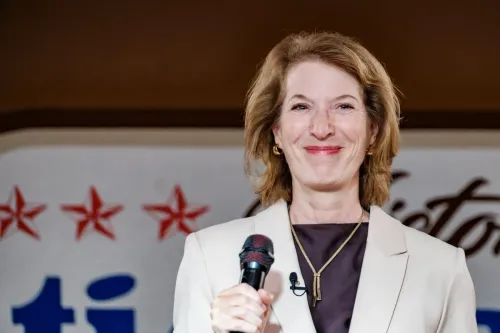
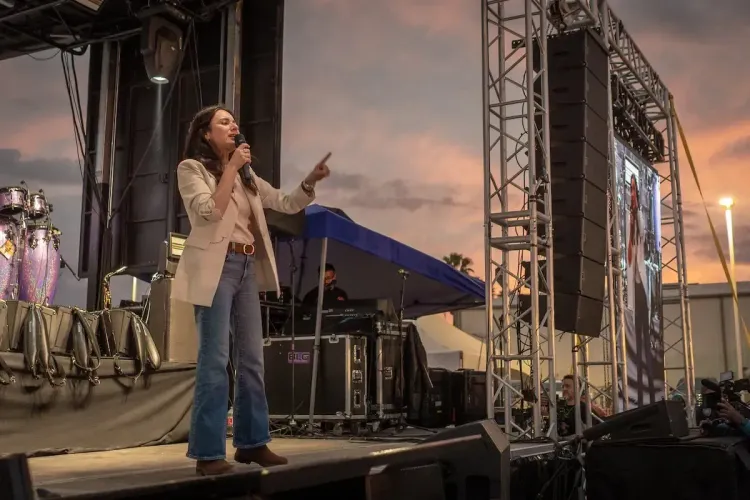
Texas Governor-elect Gina Hinojosa has pledged to undo Governor Greg Abbott's freeze on new H-1B petitions at state agencies and public universities — a policy reversal with direct consequences for Indian-born professionals working in Texas's public sector. Her 'I'm not doing culture wars' remark signals a sharp departure from Abbott's approach ahead of her 19 January inauguration.
Key Takeaways
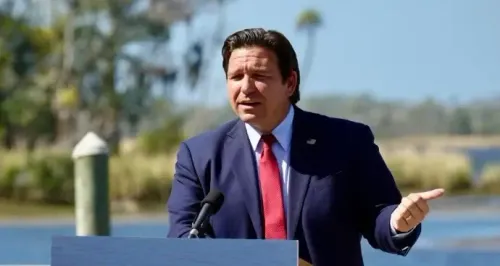
Texas Governor-elect Gina Hinojosa has indicated she will reverse Governor Greg Abbott 's H-1B petition freeze at state agencies and public universities.
Abbott imposed the freeze via a 27 January letter, barring new petitions without Texas Workforce Commission approval until 31 May 2027 .
The freeze applies to state agencies and public higher education institutions — not school districts — and excludes renewals and certain status changes.
Hinojosa, a Democrat and former labour lawyer, also flagged concerns about companies using tax incentives to hire H-1B workers instead of Texans.
Immigration group FWD.us called the existing ban 'hurting all Texans' and welcomed the governor-elect's position.
Hinojosa takes office on 19 January ; her reversal would affect public employers but not federal H-1B eligibility rules.
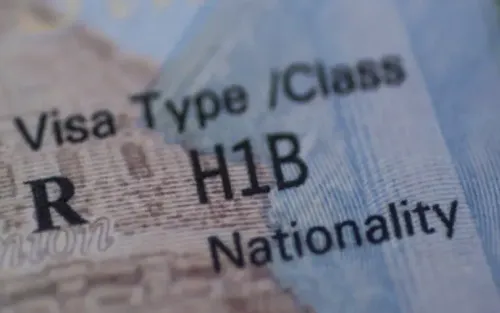
Texas Governor-elect Gina Hinojosa has indicated she will reverse Governor Greg Abbott's freeze on new H-1B petitions at state agencies and public universities, signalling a significant policy shift for a visa programme heavily relied upon by Indian-born professionals in the United States. Hinojosa, a Democrat, is set to take office on 19 January.
What Hinojosa Said
Asked by The Texas Tribune whether she would rescind the restriction, Hinojosa replied: 'Yeah, that does not make sense to me.' She added: 'I'm not doing culture wars. That's not what I was elected to do.' The Tribune characterised her position as a plan to undo the freeze.
Drawing on her background as a labour lawyer, Hinojosa also acknowledged concerns about programme abuse. She said she opposed companies receiving job-related tax incentives and then using those funds to hire H-1B workers. She also raised the issue of school districts relying on overseas teachers, arguing that Texas should cultivate a stronger domestic pool of qualified educators.
What Abbott's Freeze Covers
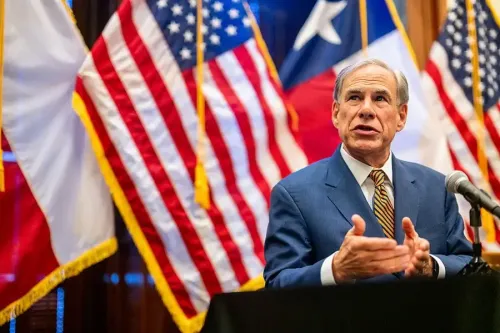
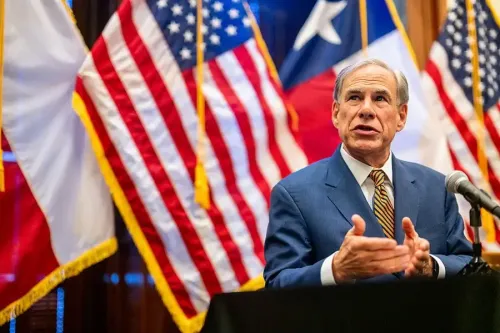
Governor Abbott imposed the restriction through a 27 January letter applying to state agencies controlled by gubernatorially appointed heads and public institutions of higher education. The directive bars those entities from initiating or filing new H-1B petitions without written permission from the Texas Workforce Commission until 31 May 2027.
Abbott argued that taxpayer-funded employment should prioritise Texans, and said the pause would give lawmakers time to establish safeguards around the employment of foreign visa holders in state government. Covered institutions were also required to report existing H-1B sponsorships — including workers' countries of origin, job descriptions, and recruitment efforts — to the Commission by 27 March.
Notably, the freeze is not a blanket prohibition on all H-1B filings. Texas State University, citing Commission guidance, clarified that renewals are not treated as new petitions requiring written approval. The guidance also excludes changes of status for students or recent graduates of Texas higher education institutions already residing in the United States — including qualifying transitions from F-1 student or J-1 exchange-visitor status to H-1B status.
Scope of Hinojosa's Proposed Reversal
The proposed reversal pertains specifically to restrictions placed on Texas public employers. It would not alter federal H-1B eligibility requirements, nor would it independently grant anyone a visa. Abbott's original directive also does not cover school districts — only state agencies and public higher education institutions.
Advocacy Groups Respond
Immigration advocacy organisation FWD.us welcomed Hinojosa's position on Thursday. Zaira Garcia, its regional government relations director, said: 'This sweeping ban is hurting all Texans, not helping them.' The group argued that restrictions on international recruitment impede public institutions' ability to function effectively in education, healthcare, and research.
As Hinojosa prepares to assume office in January, the future of H-1B access at Texas public institutions — and its broader implications for the Indian-American professional community — will be closely watched.
Point of View
The practical relief is real but limited in scope — this reversal touches only state public employers, leaving federal policy and private-sector dynamics entirely unchanged. The bigger story is whether this signals a wider Democratic recalibration on skilled immigration at the state level.
NationPress
20 Nov 2026
Frequently Asked Questions
What is the Texas H-1B freeze that Hinojosa plans to reverse?
Governor Greg Abbott imposed a freeze in a 27 January letter barring state agencies and public universities from filing new H-1B petitions without written approval from the Texas Workforce Commission until 31 May 2027. Governor-elect Gina Hinojosa has indicated she will rescind this restriction when she takes office on 19 January.
Who is affected by the Abbott H-1B freeze?
The freeze covers Texas state agencies under gubernatorially appointed heads and public institutions of higher education. It does not apply to school districts, and exemptions exist for renewals and certain status changes — such as transitions from F-1 or J-1 to H-1B status — for students or graduates already in the US.
Will Hinojosa's reversal change federal H-1B rules?
No. The proposed reversal applies only to restrictions on Texas public employers. It would not alter federal H-1B eligibility requirements or independently grant anyone a visa.
Why did Abbott impose the H-1B freeze?
Abbott argued that taxpayer-funded employment should prioritise Texans and that the pause would give state lawmakers time to establish safeguards around the hiring of foreign visa holders in state government. He also required covered institutions to report existing H-1B sponsorships and workers' details to the Texas Workforce Commission.
What has the response been to Hinojosa's position?
Immigration advocacy group FWD.us welcomed the move, with regional director Zaira Garcia stating the existing ban is 'hurting all Texans, not helping them.' The organisation argues that restricting international recruitment impedes public institutions' work in education, healthcare, and research.