Massive Protests Erupt in Tokyo Over Japan's Arms Export Policy
Synopsis
In a display of unity, opposition leaders and citizens gathered in Tokyo to protest the government's controversial decision to relax arms export laws. This rally raises critical questions about Japan's future and its adherence to pacifist principles enshrined in its constitution.
Key Takeaways
Protests against Japan's arms export policy reflect public concern over military expansion.
Over 6,000 participants voiced their opposition at Ikebukuro station.
Critics argue that easing arms exports contradicts Japan's pacifist constitution.
Key opposition figures emphasize the need to maintain Japan's peace-oriented stance.
The protests highlight a growing movement against increased militarization in Japan.
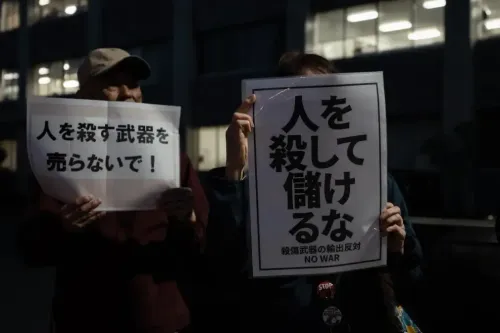
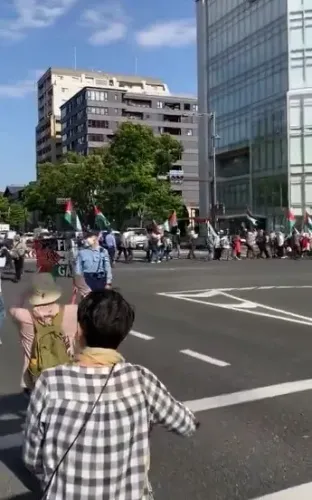
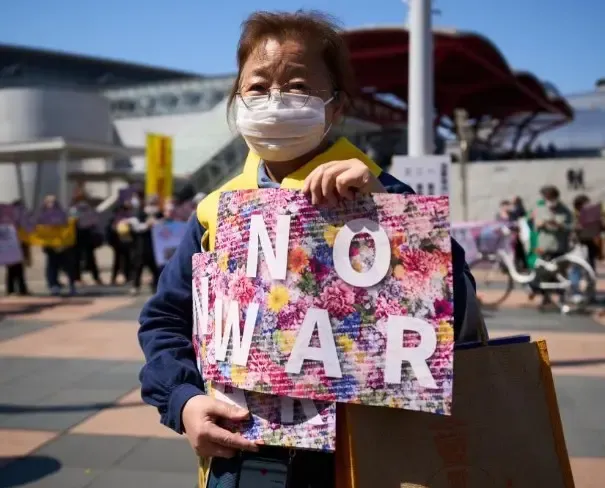
On April 6, in Tokyo, Japan, prominent leaders from various opposition parties rallied alongside thousands of citizens at the busy Ikebukuro station to voice their dissent against the government's alarming initiative to relax arms export regulations and pursue extensive military growth. The demonstrators expressed their worries about the country's direction.
According to organizers, over 6,000 participants gathered for the protest on Sunday evening. The crowd displayed banners stating, "Military force cannot bring peace" and "Takaichi must resign," while chanting phrases like "Oppose war" and "Defend peace," opposing what they see as a shift in the government's security policy.
Japanese media have previously indicated that the Takaichi government intends to amend the guidelines governing the "three principles on transfer of defense equipment and technology" this month to relax restrictions on overseas arms exports, as reported by Xinhua.
Speakers from opposition parties at the rally warned that Japan's arms exports could exacerbate international disputes and contradict the pacifist ideals embedded in the nation's constitution. They cautioned that the government's ongoing military expansion, the proposed anti-espionage legislation, and plans for a national intelligence agency could lead Japan down a perilous path towards warfare.
Tomoko Tamura, chairperson of the Japanese Communist Party, stated in an interview with Xinhua that the constitution explicitly prohibits Japan from engaging in war, resolving international conflicts through force, or contributing to global tensions.
"Regardless of whether it involves exporting arms or possessing missiles capable of targeting other nations, we must staunchly oppose these actions. We cannot allow Japan to become a 'war-waging nation,'" she asserted.
Tetsu Tatara, a spokesperson for the rally's organizers, remarked to Xinhua that the Takaichi administration's drive for significant military expansion and arms exports contradicts the public sentiment.
He noted that the government's efforts to enhance military capabilities and deploy missiles, citing the so-called "China threat" as justification, have raised considerable alarm in Japan, leading to a rising tide of public opposition.
Marin Toyosu, a protester at the rally, remarked to Xinhua that weapons are fundamentally tools of destruction, with the potential to provoke retaliation, escalate tensions, and initiate endless cycles of warfare that could have far-reaching consequences beyond Japan's borders.
"As a Japanese citizen, I find this completely unacceptable," she expressed.
Point of View
The voices of opposition and citizens alike resonate with concern over Japan's military policies. This protest is a reflection of a broader unease regarding the nation's trajectory and its commitment to pacifism.
NationPress
10 Sept 2026
Frequently Asked Questions
What sparked the protests in Tokyo?
The protests were triggered by the Japanese government's plan to ease restrictions on arms exports and expand military capabilities.
How many people attended the protest?
Over 6,000 people participated in the protest, according to organizers.
What do the protesters fear about arms exports?
Protesters fear that arms exports could escalate international conflicts and contradict Japan's constitutional commitment to pacifism.
Who are some key figures at the protest?
Key figures included opposition leaders like Tomoko Tamura, who voiced strong opposition to the government's military policies.
What are the implications of the government's military expansion?
Many believe that the government's military expansion could lead Japan toward a more aggressive stance in international relations.