Foiled Assassination Plot Involving Pakistani National Highlights Transnational Terrorism Threats
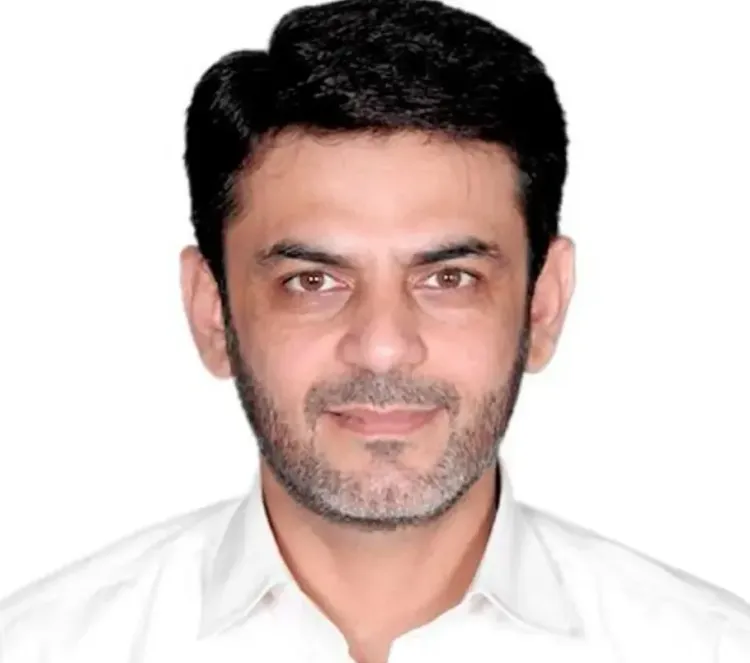
Synopsis
The conviction of Asif Merchant shines a light on the complex web of transnational terrorism, demonstrating how international networks can pose a serious threat. This case emphasizes the need for vigilant counterterrorism measures and diplomatic engagement.
Key Takeaways
Asif Merchant was convicted for a murder-for-hire plot linked to terrorism.
The plot aimed at US President Donald Trump and other leaders.
It was reportedly orchestrated by Iran's IRGC .
The case highlights vulnerabilities in transnational networks.
Effective counterterrorism measures are crucial for US security.
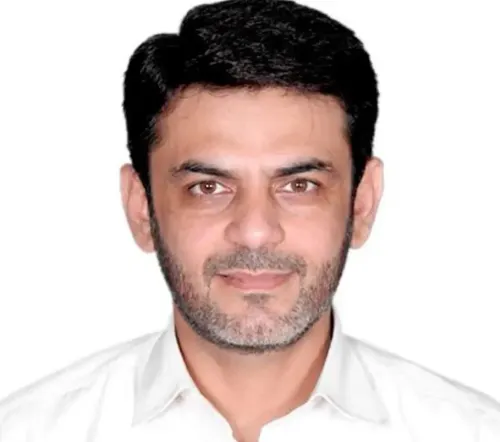
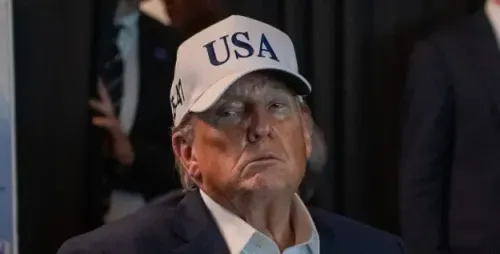
Washington, March 9 (NationPress) The recent sentencing of Asif Merchant, a Pakistani citizen, in a federal court in the United States for murder-for-hire and attempting a transnational act of terrorism, reveals a concerning aspect of the ongoing "long shadow war" between Iran and the United States. The accusations pertained to a thwarted plan to assassinate US President Donald Trump along with other notable American figures, including former President Joe Biden and Nikki Haley, as reported on Monday.
As reported by Khalsa Vox, the conspiracy, which emerged in 2024 amidst Trump's presidential campaign, was allegedly orchestrated by the Islamic Revolutionary Guard Corps (IRGC) as retaliation for the 2020 US drone strike that resulted in the death of its high-ranking commander, Qassem Soleimani.
“Merchant, a 47-year-old businessman with deep-rooted connections to both Pakistan and Iran (including family in Tehran), confessed during his trial that he was recruited by IRGC operatives, who threatened his family, and sent to the United States. He sought to enlist assassins — unaware that they were undercover FBI agents — and provided $5,000 in cash as an initial payment,” the report specified.
“He was apprehended in July 2024, just prior to his departure for Pakistan, and the scheme never progressed to finalizing a target or executing an attack. Prosecutors presented communications evidence, handwritten notes with codes for the operation, and even social media posts depicting Trump’s assassination as part of the larger plan,” it further added.
The report indicates that this case highlights various alarming realities. Firstly, it illustrates the IRGC's persistent resolve to avenge Soleimani's death, even years after the incident, regarding significant American figures as legitimate targets.
“The timing — amidst rising US-Iran tensions, including recent military confrontations — underscores how assassination plots can serve as asymmetric strategies when conventional conflicts risk escalation,” it noted.
Secondly, the involvement of a Pakistani national emphasizes the porous nature of transnational networks that connect South Asia and the Middle East, where “personal grievances, coercion, and ideological alignment” can merge with state-sponsored terrorism.
“For US policymakers, this situation necessitates a clear-eyed response. The prevention of this plot showcases the effectiveness of intelligence and law enforcement vigilance, but it also reveals ongoing vulnerabilities. Increased scrutiny of IRGC-affiliated operatives, stronger countermeasures against proxy recruitment, and diplomatic pressure on nations that harbor such networks are crucial,” the report concluded.
Point of View
This case illustrates the intricate challenges posed by transnational terrorism. It underscores the necessity for robust counterterrorism strategies and international cooperation in addressing these threats.
NationPress
22 Sept 2026
Frequently Asked Questions
Who is Asif Merchant?
Asif Merchant is a Pakistani national recently convicted in a US federal court for involvement in a murder-for-hire scheme and attempting an act of terrorism.
What was the foiled plot about?
The plot involved an attempt to assassinate US President Donald Trump and other prominent American leaders, allegedly orchestrated by Iran's IRGC.
What does this case reveal about transnational networks?
It highlights the porous nature of networks connecting South Asia and the Middle East, emphasizing the intersection of personal grievances and state-sponsored terrorism.
Why is this case significant?
It reflects ongoing US-Iran tensions and underscores the need for effective counterterrorism measures and intelligence vigilance.
What actions should US policymakers take?
Policymakers should enhance scrutiny of IRGC-linked operatives, implement stronger countermeasures, and exert diplomatic pressure on nations that tolerate such networks.