MMR vaccine not lethal, says Trump health aide as US vaccination rates dip
Synopsis
A senior Trump administration official was forced on live television to deny that the MMR vaccine is lethal — directly contradicting the President's own words. The clarification came as CDC data revealed US childhood vaccination rates have slipped to 92%, below the 95% herd-immunity threshold, raising the prospect of preventable outbreaks.
Key Takeaways
Dr Mehmet Oz , administrator of the Centres for Medicare and Medicaid Services , stated on 23 August that 'the MMR vaccine is not a lethal vaccine.' President Trump had suggested the measles, mumps and rubella vaccines should be given separately, saying the combined shot 'could be a possibility they're quite lethal.' CDC data shows only 92% of US kindergarten pupils received measles vaccination last school year — below the 95% herd-immunity threshold.
Manufacturer Merck reportedly cannot offer the MMR as three separate injections for at least another 10 years .
The federal government confirmed it will continue funding vaccines for children from low-income families regardless of administration format.
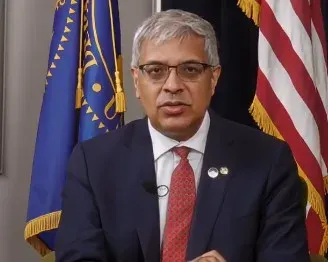
Dr Mehmet Oz, administrator of the Centres for Medicare and Medicaid Services, on Sunday, 23 August flatly denied that the combined measles, mumps and rubella (MMR) vaccine was dangerous, stepping in to clarify comments made by President Donald Trump that had raised alarm among public health experts. The statement came as fresh federal data showed US childhood vaccination rates had slipped below the threshold required for herd immunity.
What Oz Said
Appearing on CBS News' Face the Nation, Oz was pressed repeatedly on Trump's characterisation of the MMR vaccine before stating plainly: 'No, the MMR vaccine is not a lethal vaccine.' He added that the administration's position was that Americans should 'get vaccinated as their doctors recommend, as long as they have a choice in the matter.'
Oz also argued that the broader principle at stake was parental autonomy — whether parents had the right to question vaccination recommendations and seek religious or other exemptions from state requirements. He confirmed that the federal government would continue funding vaccines for children from low-income families regardless of how they were administered: 'We're going to pay for the vaccines no matter what,' he said.
What Trump Actually Said
In a recorded clip played during the programme, President Trump suggested the three vaccines in the MMR combination should be given separately. 'In three separate vaccinations, given at separate times, together there could be a possibility they're quite lethal,' Trump said. 'And separately, it looks like they are not at all lethal, but just very effective. So the MMR, we want to have separate, separate visits, separate times,' he added.
CBS presenter Margaret Brennan noted that Trump had made this suggestion twice and pointed out a critical logistical barrier: the MMR vaccine is not currently available in the United States as three separate injections. Its sole manufacturer, Merck, reportedly could not offer disaggregated vaccines for at least another 10 years, according to Brennan.
The Vaccination Rate Concern
The exchange unfolded against a backdrop of declining immunisation coverage. New figures from the US Centres for Disease Control and Prevention (CDC) showed that only 92% of the country's kindergarten pupils received measles vaccination during the last school year — below the 95% level considered necessary to achieve herd immunity and prevent community spread.
Oz cited Japan as an example of a country that administers measles vaccines separately. Brennan countered that Japan had encountered problems following that separation and that the change had driven up costs — a point Oz did not directly dispute.
Why This Matters
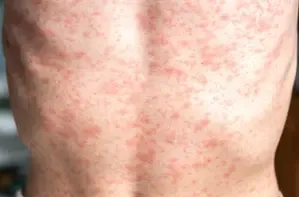
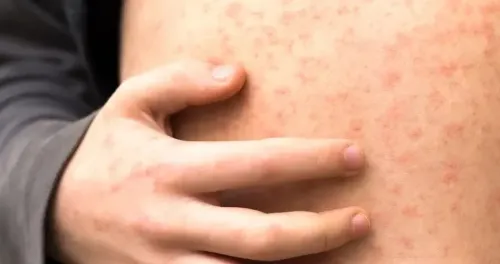
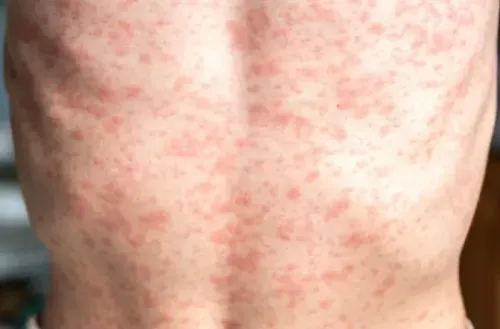
The MMR vaccine protects against three contagious viral diseases. Measles, in particular, can cause pneumonia, inflammation of the brain, and death, especially in young children and those with weakened immune systems. Public health authorities have long warned that vaccination rates falling below the herd-immunity threshold leave vulnerable populations — including infants too young to be vaccinated — exposed to outbreaks.
With the administration sending mixed signals on vaccine safety, health experts warn that further erosion of public confidence could push coverage rates even lower in the coming school year.
Point of View
Yet the correction came hedged in parental-choice language that leaves room for continued vaccine hesitancy. With coverage already at 92% — three points below the herd-immunity floor — the cost of that ambiguity is measurable in outbreak risk. The administration cannot simultaneously encourage vaccination and validate the fears that drive non-compliance.
NationPress
24 Aug 2026
Frequently Asked Questions
Is the MMR vaccine lethal?
No. Dr Mehmet Oz of the Centres for Medicare and Medicaid Services explicitly stated on 23 August that 'the MMR vaccine is not a lethal vaccine.' This position is consistent with the scientific consensus and decades of safety data.
What did President Trump say about the MMR vaccine?
In a recorded clip aired on CBS News ' Face the Nation , President Trump suggested the measles, mumps and rubella vaccines should be administered separately, saying that given together 'there could be a possibility they're quite lethal.' He added that separately they appeared 'not at all lethal, but just very effective.'
Can the MMR vaccine be given as three separate shots in the US?
Not currently. The MMR vaccine is not available as three separate injections in the United States . Manufacturer Merck reportedly cannot offer disaggregated doses for at least another 10 years , according to CBS presenter Margaret Brennan .
Why are US vaccination rates a concern right now?
New CDC figures show that only 92% of US kindergarten pupils received measles vaccination during the last school year, below the 95% threshold needed for herd immunity. Rates below this level leave vulnerable groups — including infants and immunocompromised individuals — at heightened risk of outbreak.
Will the US government still pay for vaccines for low-income children?
Yes. Dr Oz confirmed that the federal government will continue funding vaccines for children from low-income families regardless of how they are administered, saying: 'We're going to pay for the vaccines no matter what.'