Eastern Railway medical teams treat 20 lakh Shravani Mela pilgrims at Deoghar
Synopsis
Eastern Railway's medical teams are quietly running a parallel operation alongside one of India's largest pilgrimages — treating ruptured blisters, heat exhaustion, and disorientation among nearly 20 lakh Shravani Mela devotees, with round-the-clock care at Jasidih and Deoghar stations ordered directly by the General Manager.
Key Takeaways
Eastern Railway medical teams have been providing 24/7 care to pilgrims at Jasidih and Deoghar stations during the Shravani Mela .
Nearly 20 lakh pilgrims passed through ER stations to reach Baba Baidyanath Dham by 17 August .
Treatments include advanced wound care for ruptured friction blisters, ORS therapy, analgesics, tetanus prophylaxis assessment, and wheelchair assistance.
General Manager Gitika Pandey and DRM Sangrah Maurya issued round-the-clock alert directives to medical staff.
Station infrastructure includes holding areas, rest zones with charging points, drinking water, toilets, and continuous CCTV monitoring.
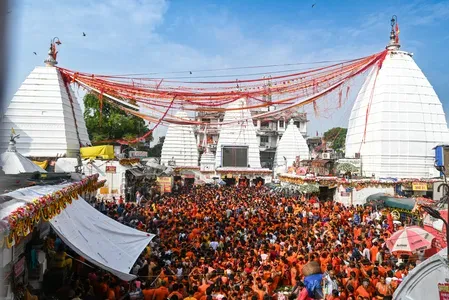
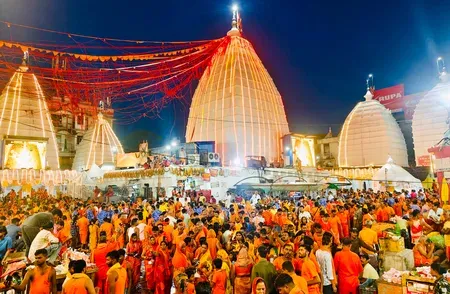
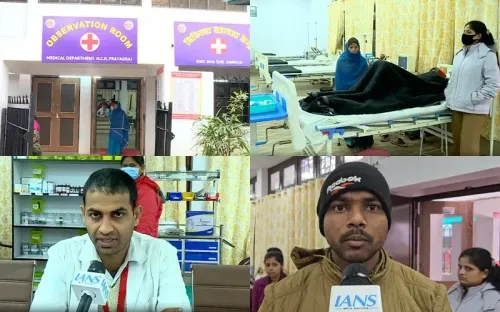
Eastern Railway (ER) medical teams at Jasidih and Deoghar stations have been providing round-the-clock care to pilgrims returning from Baba Baidyanath Dham in Deoghar, Jharkhand, treating severe foot injuries, dehydration, and exhaustion-related disorientation during the ongoing Shravani Mela. By 17 August, nearly 20 lakh devotees had passed through ER stations en route to the shrine, one of the 12 Jyotirlingas and a Shakti Peeth.
Medical Teams on Round-the-Clock Alert
General Manager Gitika Pandey and Divisional Railway Manager Sangrah Maurya of the Asansol division have directed railway medical staff to remain on continuous alert throughout the pilgrimage season. Teams at both stations are treating health complications arising from prolonged barefoot walking, physical exertion, and fatigue. Principal Chief Medical Director Nataraj Basappa has personally reviewed facilities and interacted with pilgrims and patients through repeated visits to medical and first-aid centres.
Treating Severe Foot Injuries and Exhaustion
Medical staff at the Deoghar First Aid Booth have been managing advanced wound care for devotees presenting with extensive, ruptured friction blisters across the forefoot and toes — a direct consequence of prolonged barefoot walking. According to officials, the team thoroughly cleaned, irrigated, and dressed exposed raw areas with sterile, non-adherent padding, administered analgesics, assessed the need for tetanus prophylaxis, and provided recovery guidance.
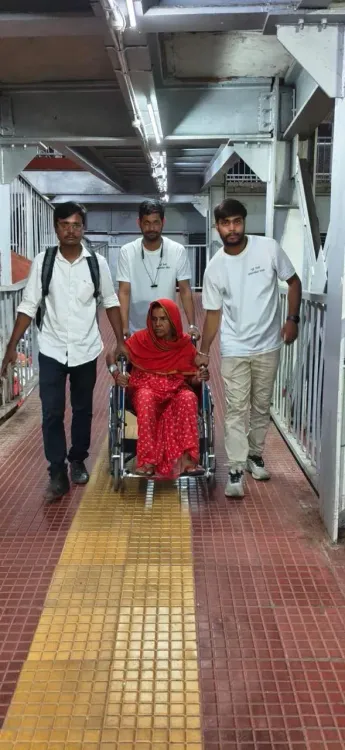
At Jasidih station, medical staff swiftly arranged wheelchair assistance for a disoriented pilgrim requiring emergency care for heat exhaustion. Doctors at the Jasidih Health Unit stabilised the patient with Oral Rehydration Solution (ORS), close clinical observation, and supportive care, successfully restoring his alertness before reuniting him with his family.
Infrastructure and Safety Measures at Stations
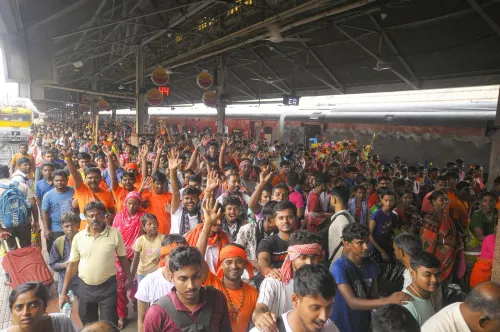
Beyond medical care, Eastern Railway has put in place dedicated holding areas to prevent platform overcrowding, rest zones with mobile charging points, drinking water facilities, and toilets. Continuous CCTV monitoring has been deployed across stations to ensure pilgrim safety, with medical staff maintaining parallel health surveillance.
What Officials Said
'These instances reflect ER's unwavering commitment to timely medical intervention, continuous monitoring and compassionate care for pilgrims during the Shravani Mela,' a senior official said. 'From treating foot injuries to managing dehydration, exhaustion and other health concerns, prompt medical attention helps prevent complications and ensures a safer, healthier and more comfortable pilgrimage experience for every devotee.'
ER Chief Public Relations Officer Shibram Majhi said, 'Passenger and pilgrim safety remains our foremost priority. ER's responsibility goes far beyond transit — through dedicated medical teams, prompt wheelchair assistance, and compassionate care, we strive to stand beside every devotee. We are reaching the spiritual hearts of thousands by providing care, compassion and a helping hand at every step.'
With the Shravani Mela still under way, Eastern Railway's medical preparedness will continue to be tested as pilgrim volumes remain high through the season's final days.
Point of View
Often invisible strain on public health infrastructure. The fact that a railway authority — not a health department — is managing advanced wound care and heat exhaustion cases at scale points to a gap in dedicated pilgrim health planning at the state level. With 20 lakh footfalls recorded before the mela's peak, the ER's round-the-clock model deserves scrutiny as a replicable framework, but also raises the question of whether pilgrimage medicine should remain an ad hoc railway function or become a formally funded public health mandate.
NationPress
24 Aug 2026
Frequently Asked Questions
What medical services is Eastern Railway providing at the Shravani Mela?
Eastern Railway is providing round-the-clock medical care at Jasidih and Deoghar stations, including advanced wound dressing for foot injuries, Oral Rehydration Solution therapy for dehydration, analgesics, tetanus prophylaxis assessment, and wheelchair assistance for disoriented pilgrims. Teams are on 24/7 alert under directives from General Manager Gitika Pandey.
How many pilgrims have used Eastern Railway stations for the Shravani Mela?
Nearly 20 lakh pilgrims had passed through Eastern Railway stations to reach Baba Baidyanath Dham in Deoghar by 17 August. The shrine is one of the 12 Jyotirlingas and also a Shakti Peeth, drawing massive annual footfall during the Shravani Mela.
What are the most common health problems pilgrims face at the Shravani Mela?
The most common conditions being treated include severe friction blisters from prolonged barefoot walking, dehydration, physical exhaustion, and heat exhaustion-related disorientation. Prolonged exertion and fatigue during the arduous pilgrimage are the primary causes.
Which Eastern Railway officials are overseeing pilgrim medical care?
Principal Chief Medical Director Nataraj Basappa is directly monitoring medical arrangements at Jasidih and Deoghar. General Manager Gitika Pandey and Divisional Railway Manager Sangrah Maurya of Asansol have issued instructions for round-the-clock medical readiness.
What other facilities has Eastern Railway set up for Shravani Mela pilgrims?
Beyond medical care, Eastern Railway has created holding areas to prevent platform overcrowding, rest zones with mobile charging points, drinking water facilities, and toilets. Continuous CCTV monitoring is also in place across stations for pilgrim safety.